Military spending and the future of Europe, #2006 Lex Hoogduin, Paul Buitink, Kees de Kort
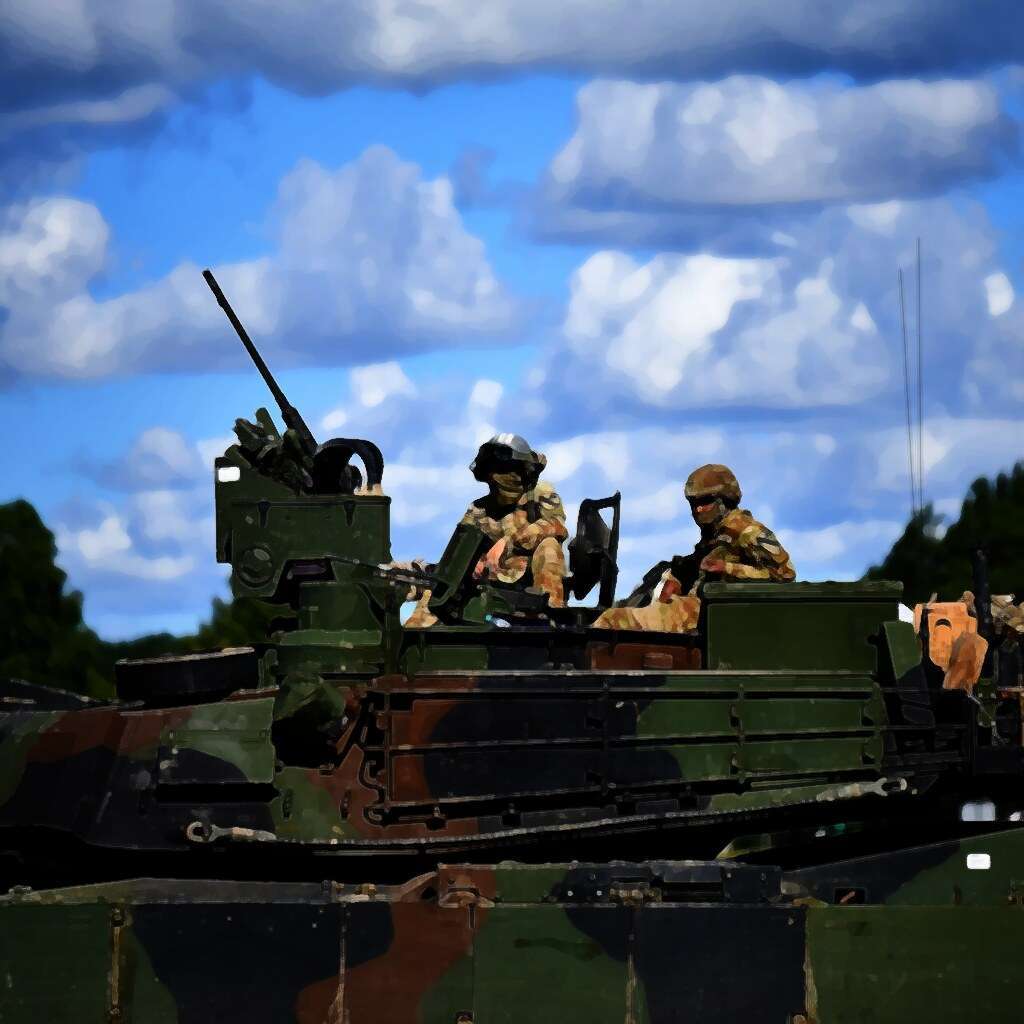
In a recent discussion on De Nieuwe Wereld TV, hosted by Ad Verbrugge, economists Lex Hoogduin, Paul Buitink and Kees de Kort addressed some of the most pressing questions of the moment. The focus was on increased military spending, the state of Europe's economy, the future of the euro and the contours of a new financial and economic world order.
Never Waste a Good Crisis: The New NATO Target
The conversation opens with a critical note on the recent decision to raise military spending to the NATO target of 2% of GDP. The consensus at the table is that, although a stronger defence may be necessary, the current approach smacks of opportunism. The speakers question whether the extra billions will be spent efficiently. There is scepticism about the trading mentality of the arms industry, and concern that business mainly casts hungry glances at the subsidy pots without this actually strengthening defence capability. The debate revolves around the question: are we buying security, or filling the industry's coffers?
The European Mindset: Between Complacency and Urgency
An important theme that follows from this is whether Europe has the right mindset to face the current geopolitical and economic challenges. The picture is sketched of a continent that for years lived in a comfortable, almost complacent position under the American security umbrella. Now that the world order is shifting, the sense of urgency does not seem to have sunk in everywhere to the same degree. Is Europe willing to make the sacrifices that strategic autonomy requires, or does it remain trapped in internal divisions and bureaucracy?
Inflation, Eurobonds and the Role of the Central Bank
The economic heart of the discussion is the problem of inflation and the role of the European Central Bank (ECB). The speakers are critical of the policy of recent years. In their view, the low interest rates and the buying up of government debt fuelled inflation and contributed to today's problems. The introduction of eurobonds, that is joint European debt, is seen as a further step towards a transfer union, in which healthy northern economies help finance the debts of the southern countries. This raises fundamental questions about the future and the sustainability of the eurozone.
The Euro: Blessing or Stranglehold?
This inevitably leads to the question of whether leaving the euro should be an option. Although this subject is often treated as taboo, it is discussed openly at the table. What would the economic consequences of such a step be for a country like the Netherlands? Is it possible to leave the currency union in a controlled way, or would it lead to unmanageable chaos? Opinions are divided, but the conclusion is that the debate about the fundamental design flaws of the euro must continue.
Towards a New World Order
Zooming out to the global playing field, the economists discuss the rise of a new financial and economic order. The dominance of the dollar and of the Western financial system is being challenged by emerging powers such as China and the BRICS countries. This shift has major consequences for Europe's position. The question is how Europe should position itself in this new balance of power. Does it remain a loyal ally of the United States, does it seek closer ties with other blocs, or does it try to chart its own independent course?
The discussion, closed with questions from the audience, makes clear that Europe stands at a crossroads. The choices now being made in the field of defence, economics and monetary union will determine the future of the continent for decades.
Original video:
The full discussion can be viewed on the De Nieuwe Wereld YouTube channel. Military spending and the future of Europe | #2006 Lex Hoogduin, Paul Buitink, Kees de Kort
