Skip to content

Culture

Breda's Nightlife: A Night Out for Young and Old Alike

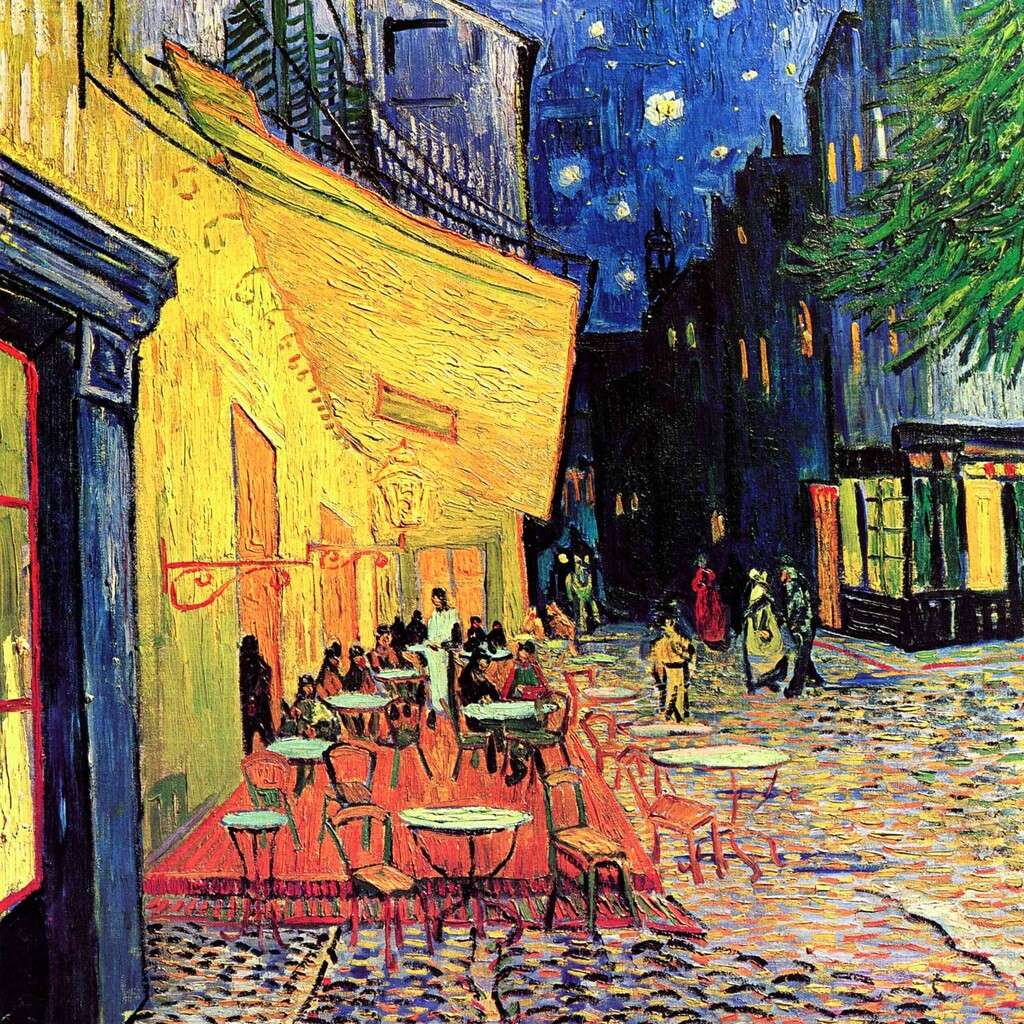
Café Terrace at Night by Vincent van Gogh

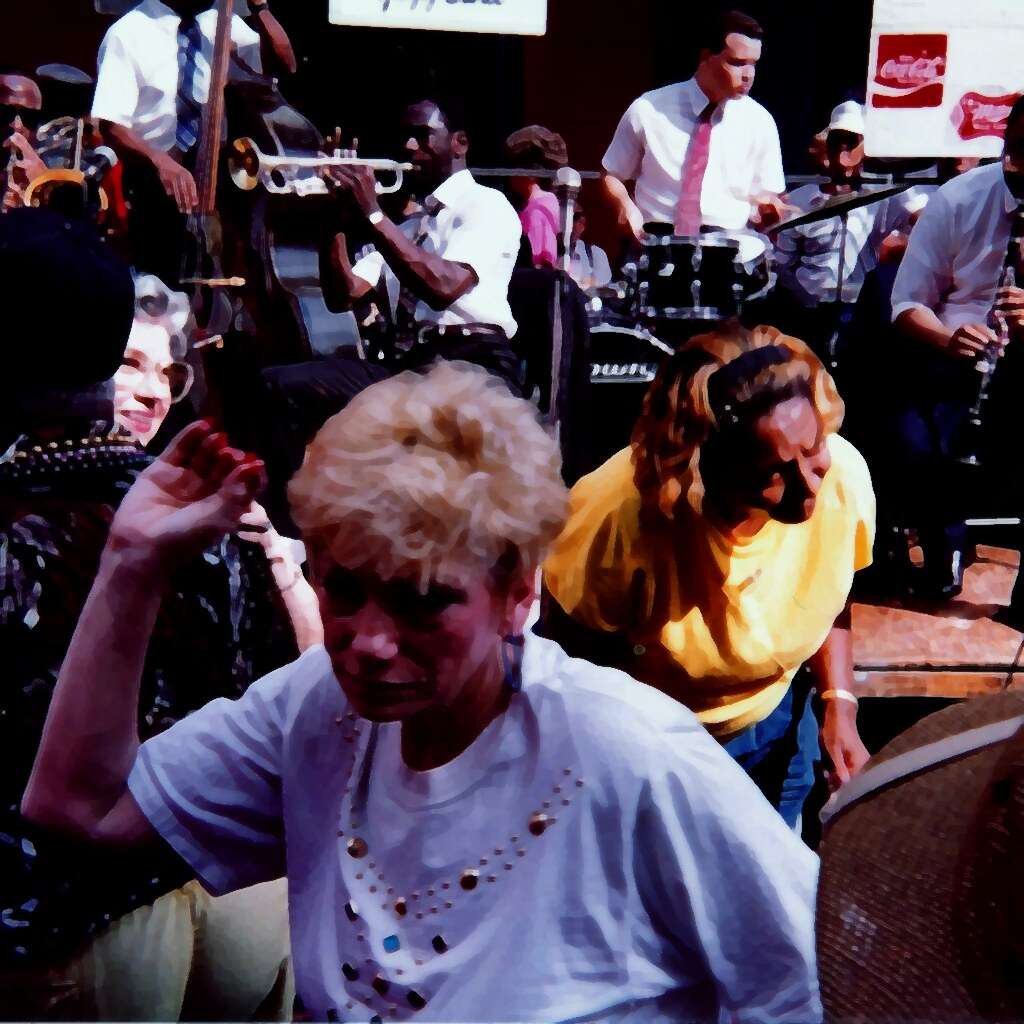
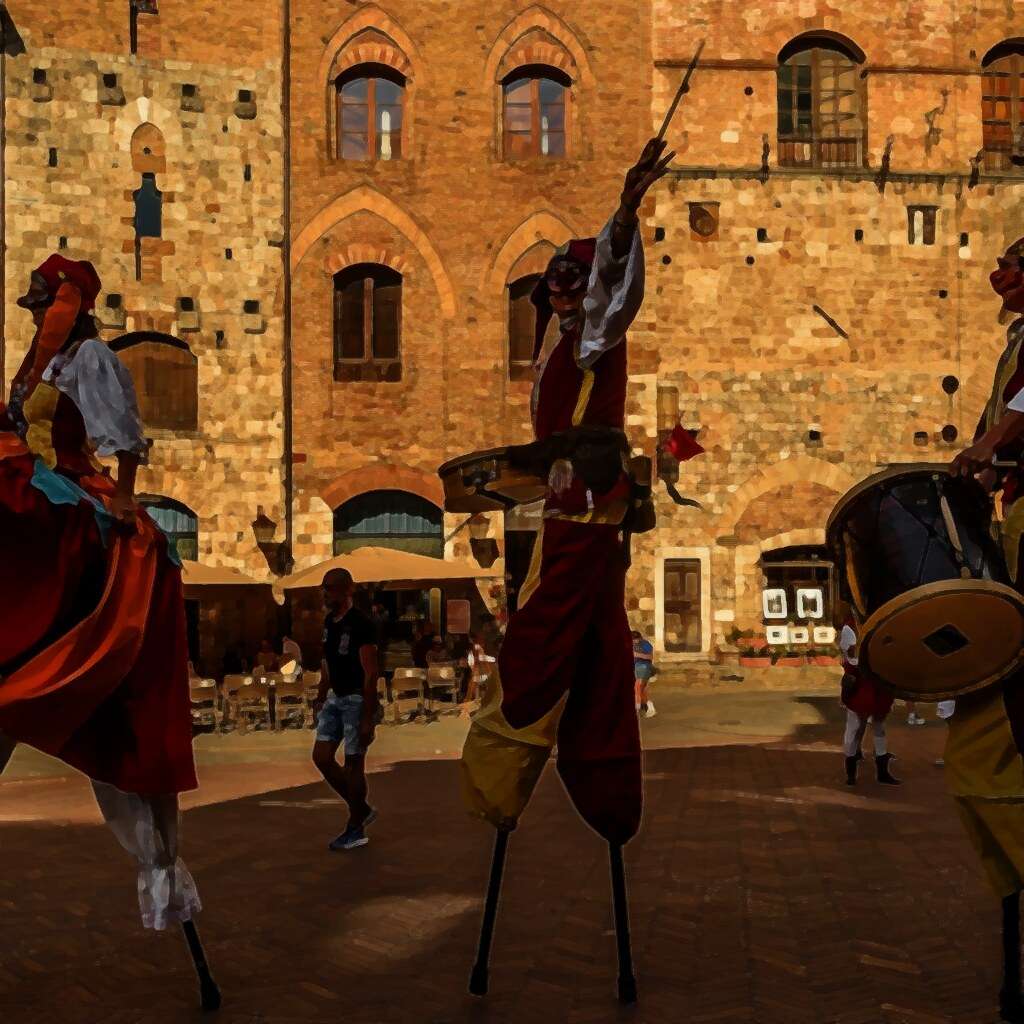
In most Dutch cities, a night out has a clear demographic: the party streets skew young, the bars skew trendy, and the people over forty tend to stay home. Breda is different. In this compact, historic Brabant city, the nightlife genuinely seems to be for everyone — teenage students, thirty-somethings and pensioners often end up in the same brown café or at the same terrace, and nobody finds it odd. That cross-generational character is Breda's most distinctive social signature.

Four Phases of the Parisian Art Ecosystem: From Royal Academy to Global Art Fair

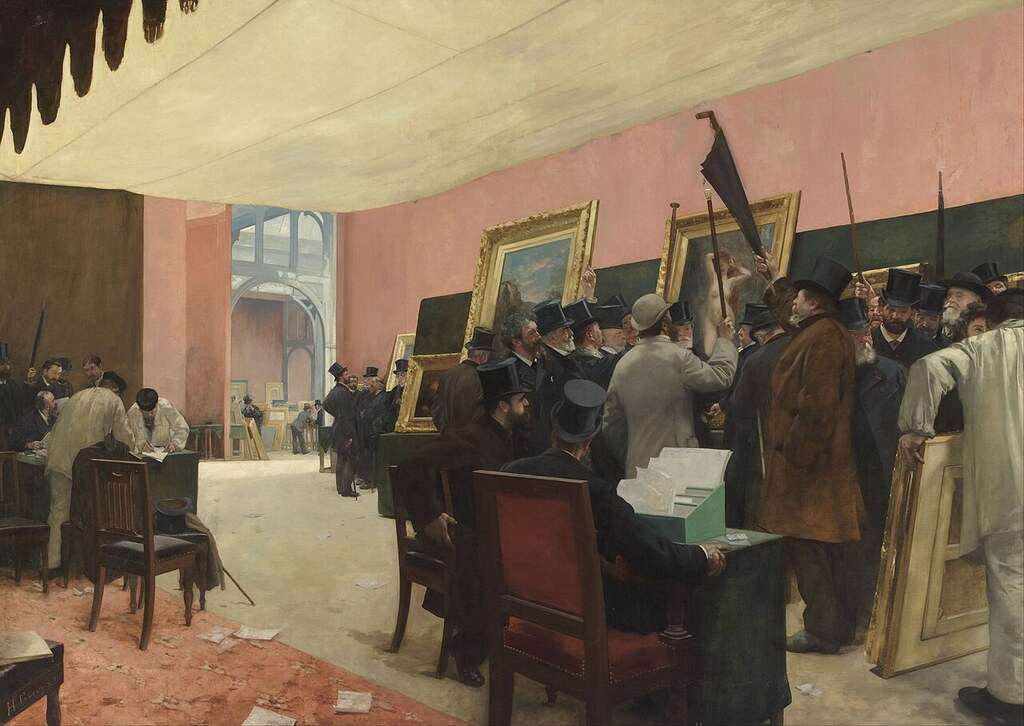
A Session of the Painting Jury by Henri Gervex

For the better part of three centuries, Paris was the art capital of the Western world. But the ecosystem that made it so — the network of academies, juries, dealers, critics, collectors and exhibition spaces that decides who gets seen and who gets paid — was never static. It went through four distinct phases, each defined by a different gatekeeper: the royal court, the official Salon jury, the private art dealer, and finally the global market of fairs and mega-galleries. Tracing those phases explains not just how Paris became the home of modern art, but why it lost that crown — and why it is fighting for it again.

The Same Height Party: Where Everyone Meets at Eye Level

Imagine a party where every single guest is exactly the same height — not because they happened to be born that way, but because the host built them shoes. That is the "same height party": a simple, slightly crazy idea that everyone in the room, no matter their actual height, meets at eye level. CNN brought the concept to a wide audience in May 2026 after an Oakland host turned it into a wearable social experiment with about fifteen guests — and the results were as much about psychology as about engineering.

Tivoli Gardens: The Perfect Centerpiece for a Small Copenhagen Trip

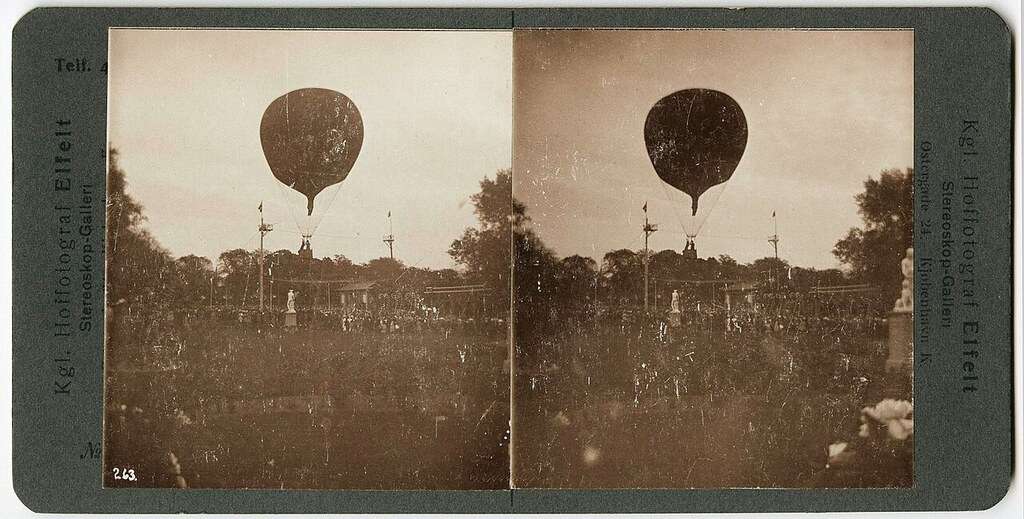
Historic view of Tivoli Gardens around 1900

If you are planning a small trip — a long weekend, a city break with a difference — Tivoli Gardens in Copenhagen is hard to beat as a centerpiece. The park opened on 15 August 1843, making it the second-oldest operating amusement park in the world, and with 4.25 million visitors in 2024 it is the most visited amusement park in Scandinavia. It sits right next to Copenhagen Central Station, which makes it a perfect anchor for a short stay: you can be inside one of Europe's most charming historical playgrounds within minutes of stepping off the train.

Baroeg Open Air 2026: Two Days of Punk, Metal and Rave in Rotterdam

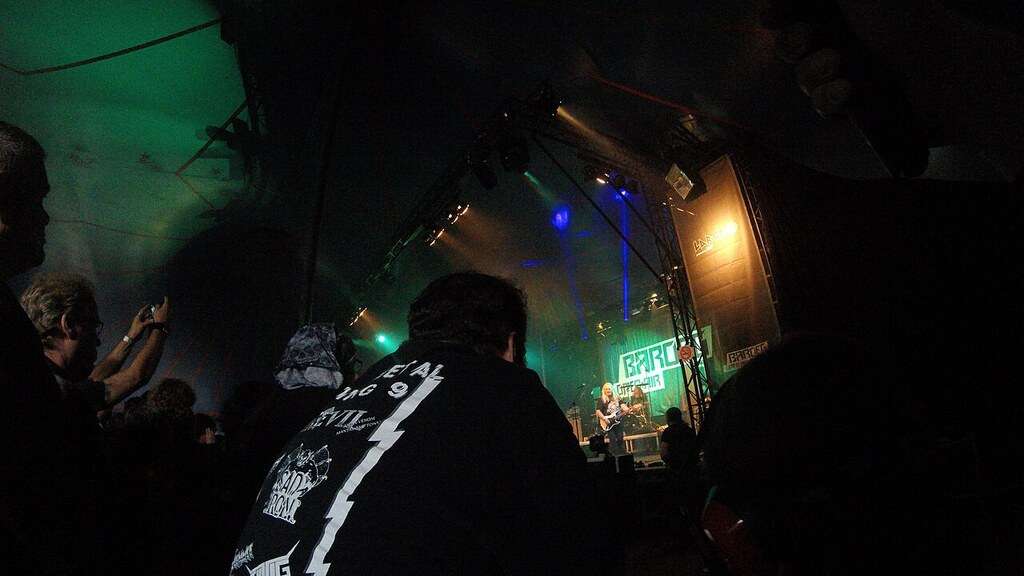
Crowd at Baroeg Open Air 2017

Baroeg Open Air returns to Rotterdam's Zuiderpark on Friday 11 and Saturday 12 September 2026 — and for the first time in its history, the festival spans a full weekend. The 16th edition packs around forty acts onto multiple stages, mixing punk, metal, post-punk, gothic, breakcore and rave into one sprawling celebration of hard and alternative music, organised by the legendary Rotterdam poppodium Baroeg.

Huis Bergh: Reopening of the Netherlands' Largest Water Castle

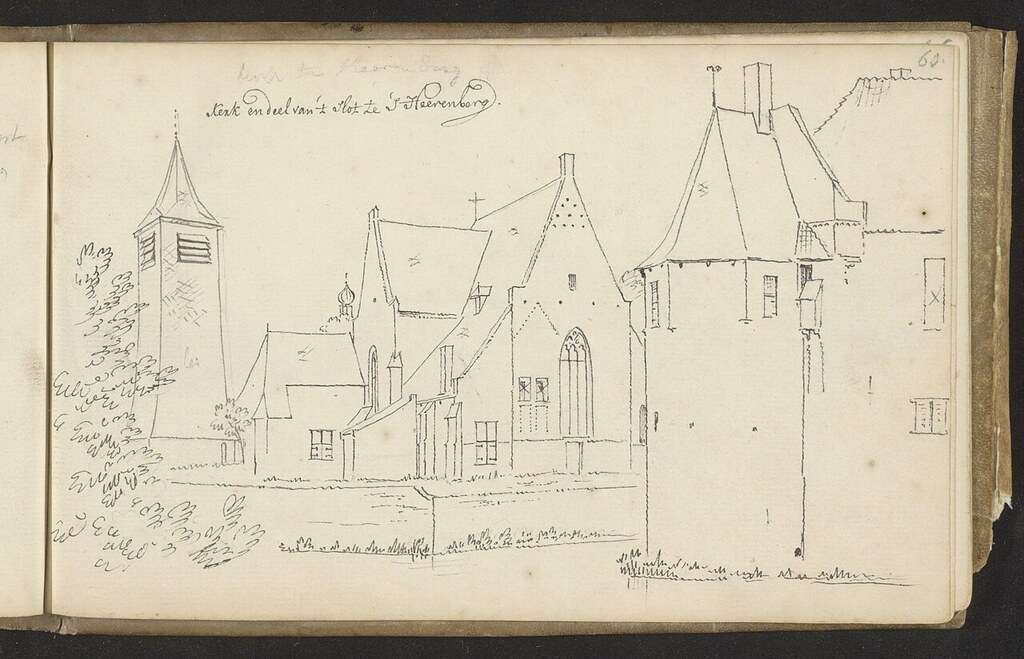
Historic view of Kasteel Huis Bergh and the church of 's-Heerenberg

On Thursday 17 September 2026, King Willem-Alexander will reopen Kasteel Huis Bergh in 's-Heerenberg after a nearly three-year restoration, striking a commemorative coin with a historic screw press to mark the occasion. Two days later, on 19 September, the castle fully reopens to the public. For the Netherlands' largest water castle, with almost 900 years of history, it is the start of a new chapter.

Lowlands 2026: The Year the Ticket War Didn't Happen

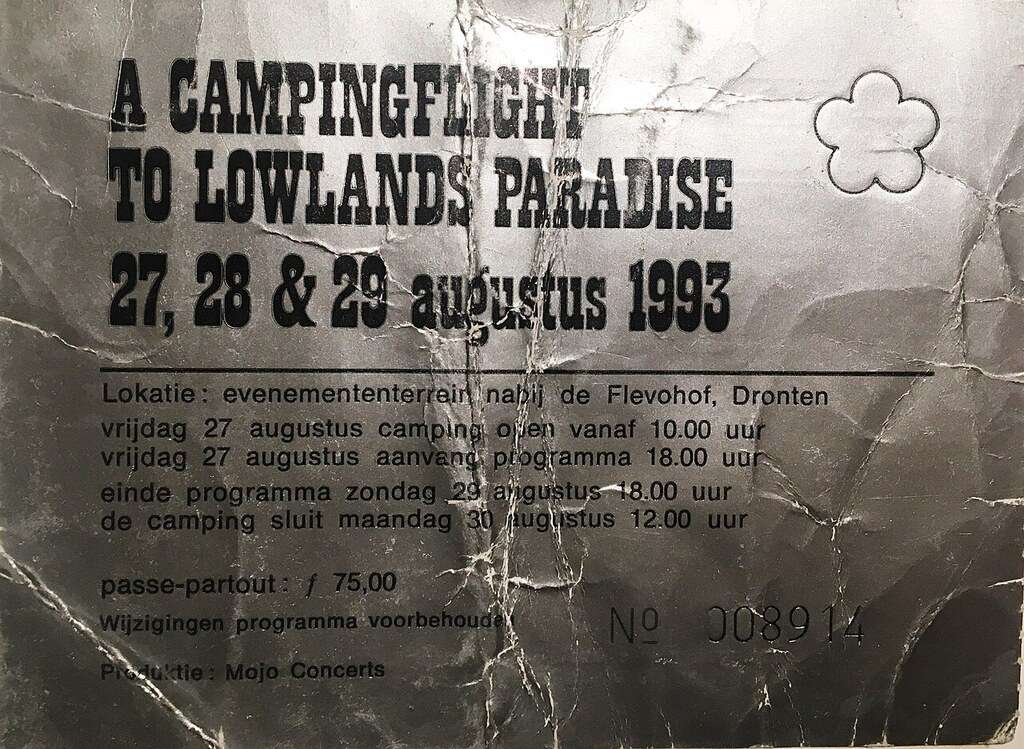
Lowlands ticket stub from 1993

Lowlands — A Campingflight to Lowlands Paradise — returned to the fields of Biddinghuizen from August 21 to 23, 2026, and something unusual happened: the festival did not sell out. For the first time in years, there was no frantic online scramble, no crashed servers, and no "sold out" sign within minutes. Instead, roughly 60,000 visitors found noticeably more breathing room between the twelve stages — and most of them seemed to love it.