Nitrogen in the Netherlands: what nature measures, what the models calculate, and who pays
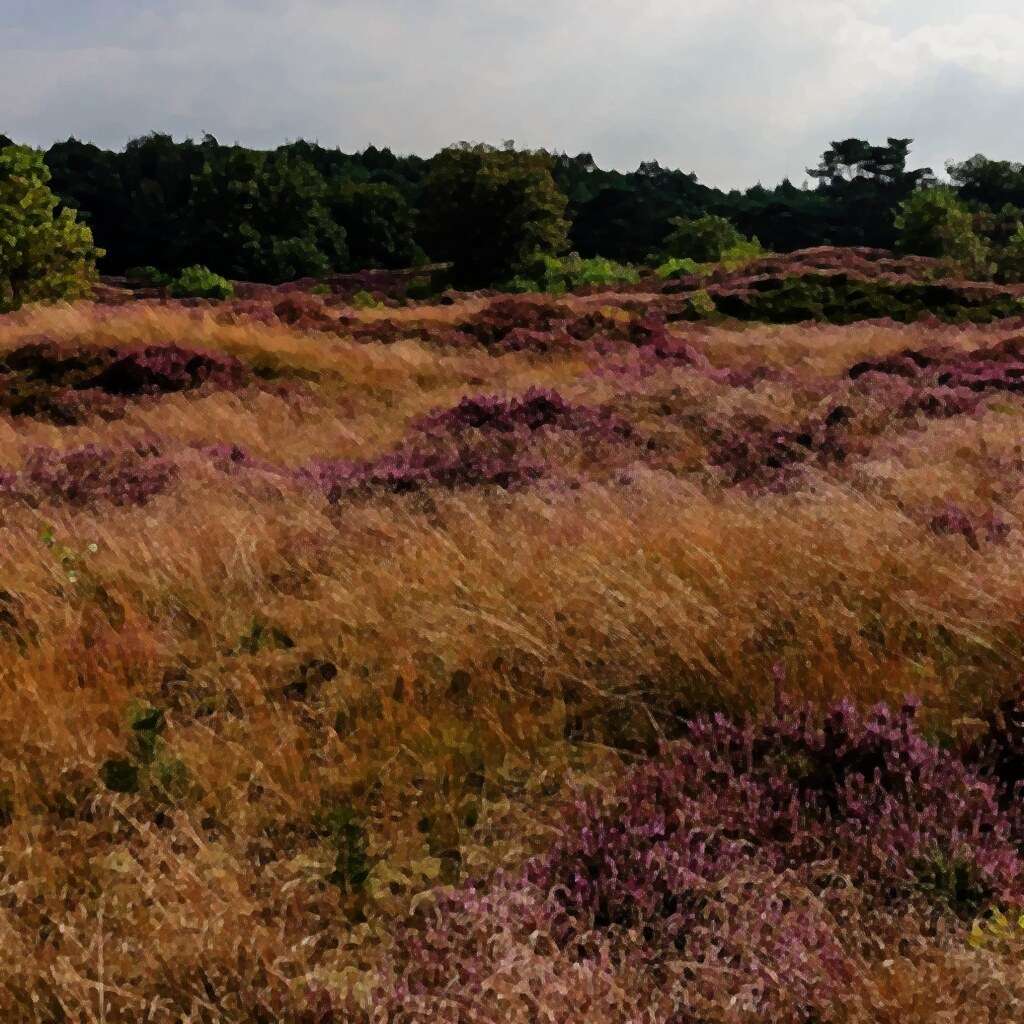 The Dutch nitrogen dossier is discussed in three separate languages at once: that of monitoring (what is measured in nature), that of calculation (what the models predict at a given location), and that of permits (who may build, expand or farm). The three agree on the direction and differ on the size and the location. This post sets them side by side: the measured trend, the uncertainties the model keepers themselves publish, and what the dossier costs farmers, builders and households.

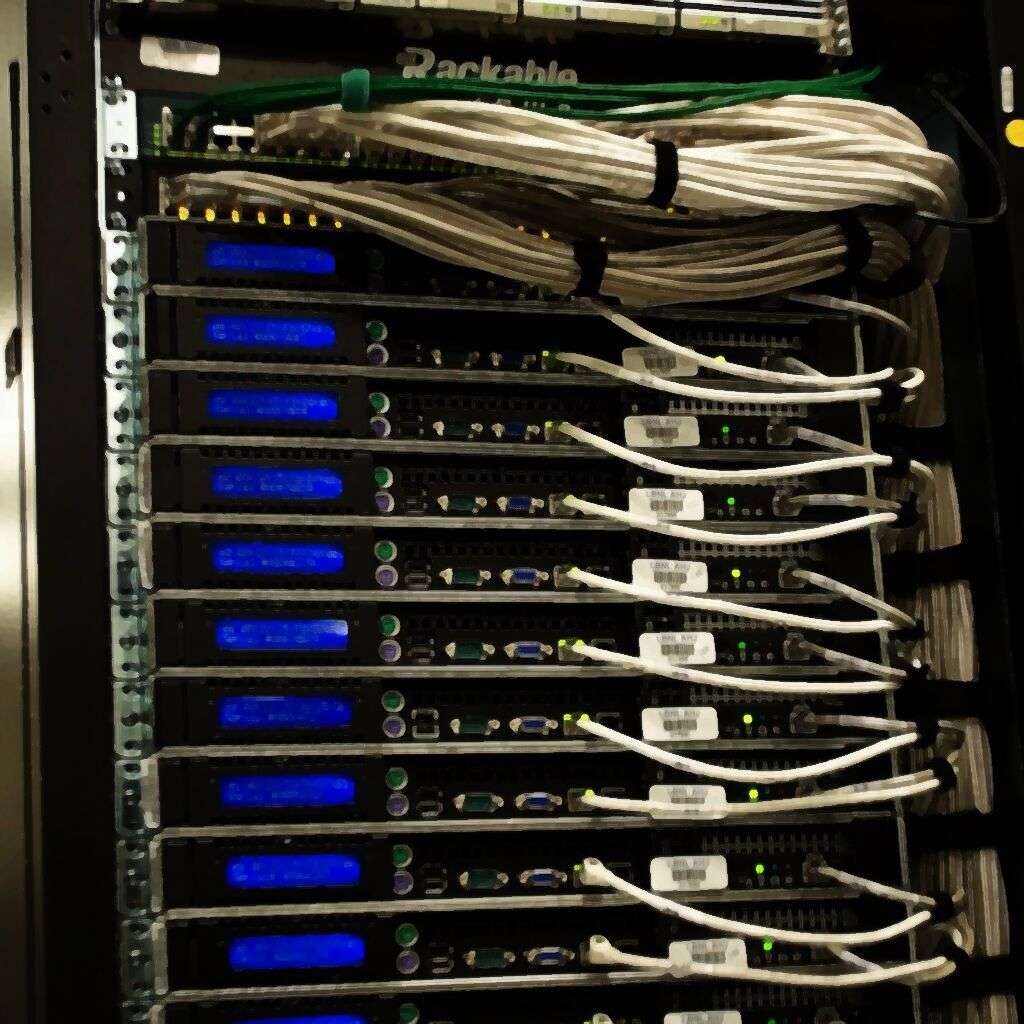 In Singapore, researchers have switched on a data center that runs on a different kind of silicon substitute: living human brain cells. The prototype, built at the NUS Life Sciences Institute by the Yong Loo Lin School of Medicine (NUS Medicine) together with global data center developer and operator DayOne and Melbourne-based biological computing startup Cortical Labs, packs roughly 16 million living human neurons into a single server rack — the world's first independently operated biologically integrated rack.