Skip to content

Science

The Menopause Cliff: Hormones Shift a Decade Earlier Than the Textbooks Said
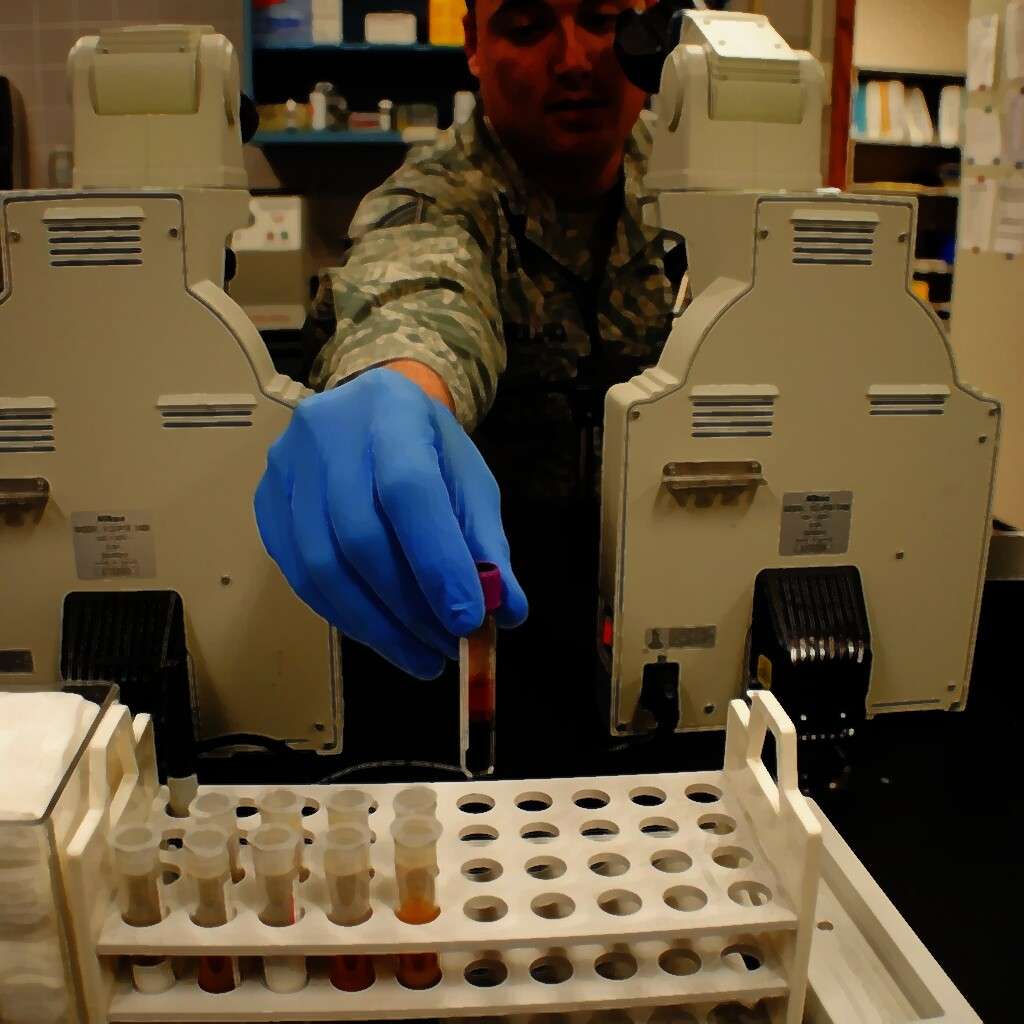
Illustration: a laboratory technician in a camouflage uniform and blue gloves lowers a blood-filled sample tube toward a rack of test tubes in a medical laboratory

The final menstrual period is one of the most consequential days in a woman's endocrine life, and nobody writes it down. That missing date is why the timeline of menopause stayed wrong for a generation. Without it, every lab result is stamped with an age, and two women of 51 can be ten years apart in their transition.

A team at the Weizmann Institute of Science found a way around the missing date. Their paper appeared in Nature Medicine on 12 October 2026, and it changes the shape of the transition. At the final period, 52 of 90 laboratory tests jump. Not bend. Jump, in a step, inside a window of a year or two.


Guilty Until Proven Sick: A Patient-Advocacy Reel and the Data on Diagnostic Delay

Illustration: a woman sits on a chair in an outpatient waiting area with a stack of medical records and scan printouts on her lap, looking down a corridor of closed doors

She was a former marathon runner, "super active", and then she started blacking out while sitting at her desk. She went from doctor to doctor. What she heard was that it was "probably anxiety, depression, maybe it's your cycle". Her answer was that she knew what anxiety felt like, and that "this feels different".

A year of misdiagnosis and mismedication followed. She ended up needing a pacemaker. By the time a woman she had never met spoke with her, she had just turned 30 and had undergone five heart surgeries, for what her doctor said could have been prevented if it had been caught sooner.

We know this because Amanda Rose Berk repeated it in a 101-second Instagram reel on 15 September 2026. The phrase she credits to that caller is the one doing the work: guilty until proven sick. That is what it feels like when your symptoms have to be proven before anyone takes them seriously.

There is no name, no hospital, no diagnosis, no record in the post. The case cannot be checked from it. It is one person's account of a conversation.

The reel is also patient advocacy with a product attached. Its caption calls the problem "a huge part of why we're building LIORA" and points to a waitlist. So here is what the reel claims, next to what the published record says about diagnostic delay.

Climate.us: Rebuilding Climate.gov Outside the Government

Earth seen from orbit, North America in view

For about fifteen years, Climate.gov was the place Americans landed when they wanted a straight answer about the climate. It was run by NOAA, the National Oceanic and Atmospheric Administration, and at the start of 2025 it was the top organic result if you typed "climate" into Google in the United States. Then, over the course of a year, it stopped being updated, lost its staff and went dark.

The site that grew back in its place is called Climate.us. It is run by members of the same team, it is not part of the government, and it exists because a few people refused to let fifteen years of work disappear.

Why Vultures Matter: Nature's Overlooked Sanitation Service

Pixelated illustration of a vulture in flight

Vultures are among the most misunderstood animals on Earth — and among the most important. They are nature's sanitation service: the birds that turn a carcass into clean ground, removing bacteria and pathogens before they get a chance to spread. Their work is worth billions and, as the collapse of vultures in India showed, losing them can cost human lives. Yet across much of the world, these scavengers are quietly vanishing.

8 Evidence-Based Ways to Influence Your Metabolism

Pixelated photograph of fresh vegetables

Your metabolism is the sum of the biochemical processes by which your body turns food into energy. The common belief that slim people automatically have a "faster" burn than people with overweight is a myth: a heavier body needs more energy to function and has an absolutely higher resting calorie expenditure. Weight regulation comes down to total energy balance. So to understand how to influence what you burn, you first need to know what your Total Daily Energy Expenditure (TDEE) is made of.

Singapore's Biological Data Center: 16 Million Living Neurons at Work

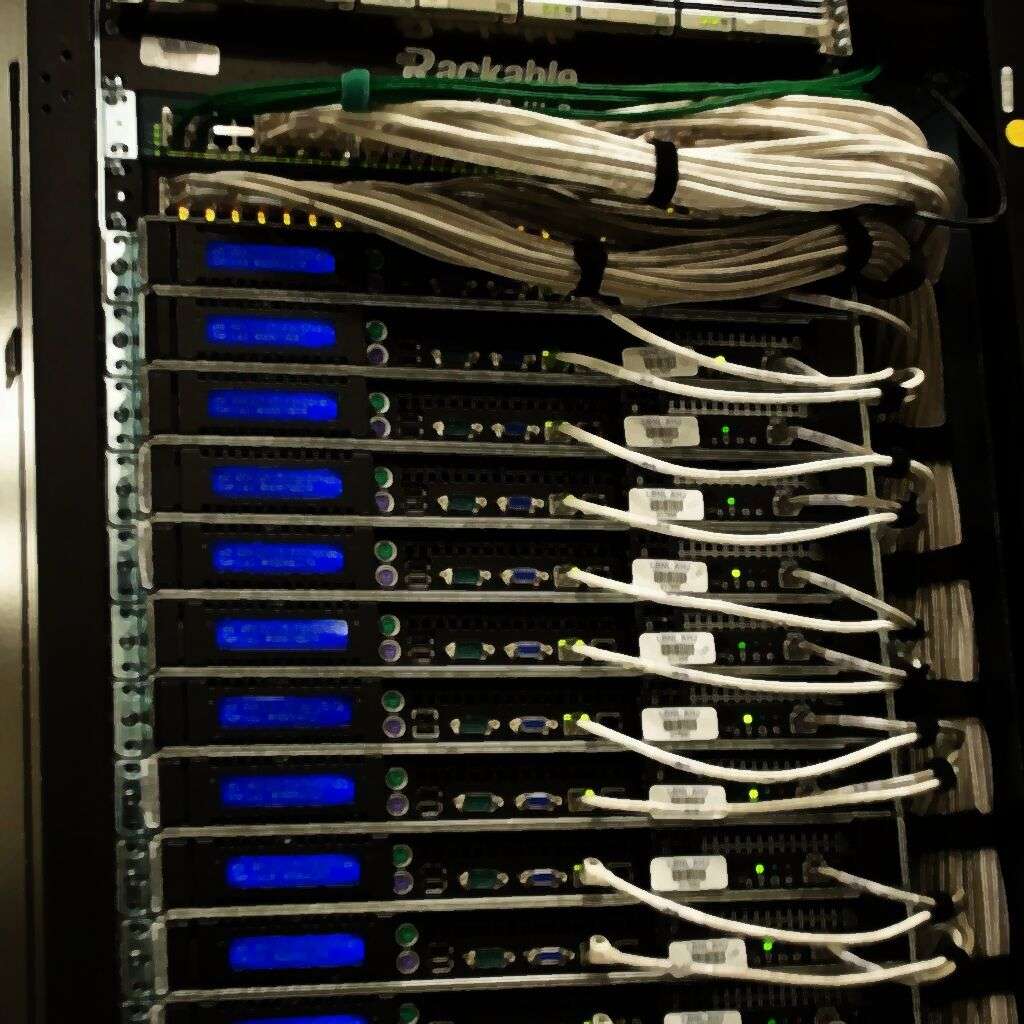
Painterly detail of a data center server rack In Singapore, researchers have switched on a data center that runs on a different kind of silicon substitute: living human brain cells. The prototype, built at the NUS Life Sciences Institute by the Yong Loo Lin School of Medicine (NUS Medicine) together with global data center developer and operator DayOne and Melbourne-based biological computing startup Cortical Labs, packs roughly 16 million living human neurons into a single server rack — the world's first independently operated biologically integrated rack.

Birds Are the Only Surviving Dinosaurs: Steve Brusatte's 'The Story of Birds'

A goldcrest with a faint dinosaur silhouette

When a gull dive-bombs your picnic, paleontologist Steve Brusatte sees more than a bird thief: he sees a small dinosaur with unmistakable velociraptor attitude. In this New Scientist interview, the author of the new book The Story of Birds makes a bold claim — birds aren't just descended from dinosaurs, they are dinosaurs, the only branch that survived the asteroid.

IBM and the University of Chicago Show Quantum Advantage — With Proof

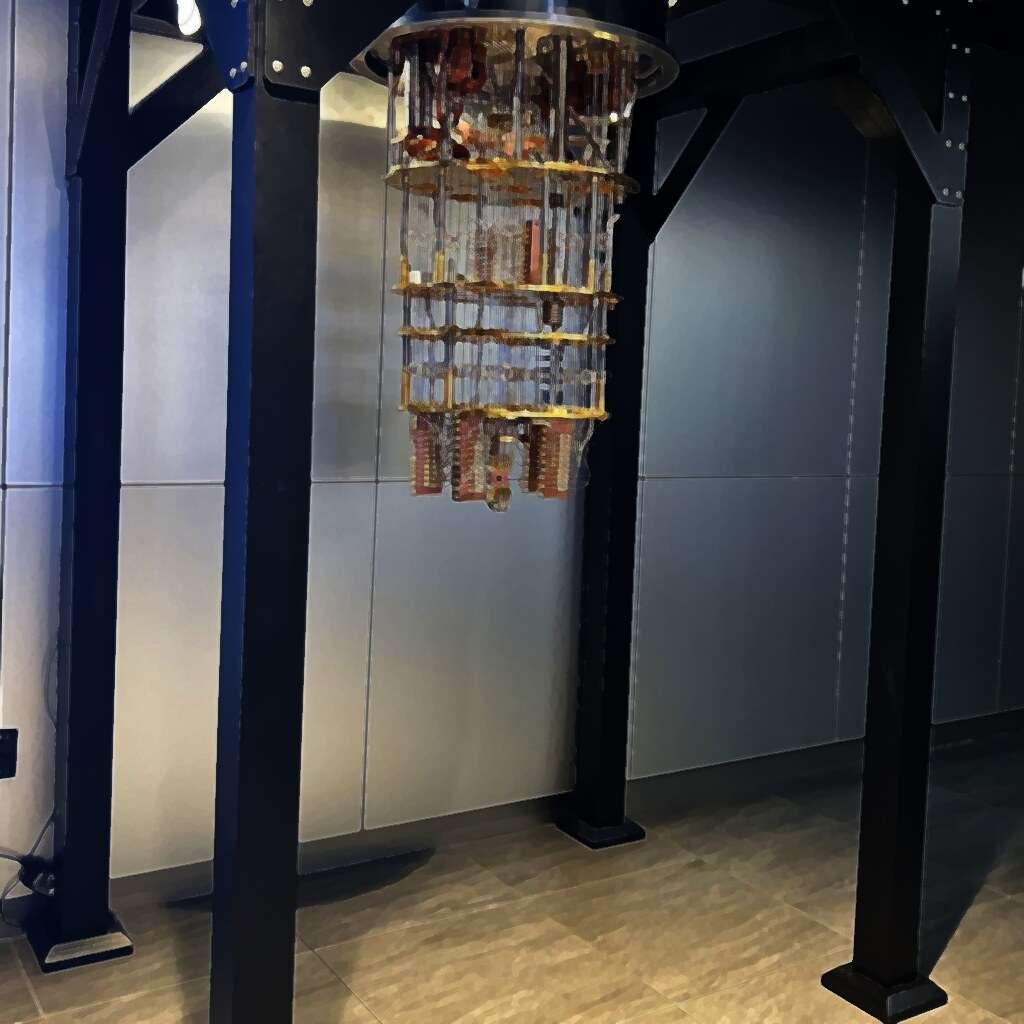
Quantum computing hardware at IBM Research

On July 30, 2026, IBM and researchers from the University of Chicago announced a quantum computation that meets the fundamental criteria for quantum advantage: a task beyond the practical reach of the best known classical methods, completed in about fifteen minutes. Just as important, the team found a way to verify how reliable the result actually was — addressing the long-standing problem that has made quantum advantage claims so hard to trust.

It's Happening: Europe Is Building an Impossible Fusion Reactor

Illustration: a person standing before a huge machine of coiled pipes around a glowing orange core

Proxima Fusion has €411 million to build the shape the fusion world walked away from. The Munich startup, spun out of the Max Planck Institute, counts Google and energy giant RWE among its backers. Its reactor is a stellarator: a twisted "donut" so absurdly complicated it was long believed impossible to build.

For fifty years the tokamak has dominated fusion research. The classic donut-shaped reactor is the design that gets the money. Proxima is betting everything on the other one, and on a plan to build the first stellarator power plant in history. The money is already committed. The cage is not built, and that gap decides whether fusion ever reaches a grid. Everyone who pays an electricity bill is downstream of that question.

An AI Research Assistant Promises Citation-Backed Drafts. A Study Counted Fabricated References.

Illustration: a researcher at a desk looking at a floating holographic panel of documents and citation graphs

Of 636 citations in 84 AI-generated literature reviews, 55 percent of the GPT-3.5 ones pointed at papers that do not exist. That is the number to hold next to a sales pitch.

In a webinar on the AnswerThis channel, co-founder and CMO Ryan McCarroll shows an AI research assistant that searches the literature, drafts citation-backed text and summarises papers. The pitch is speed: literature work that took weeks, in minutes. The claim comes from the vendor. This post sets it against the studies and the rules that followed.