Skip to content

Economics

What Big Tech, Pharma and Food Companies Pay Where They Sell
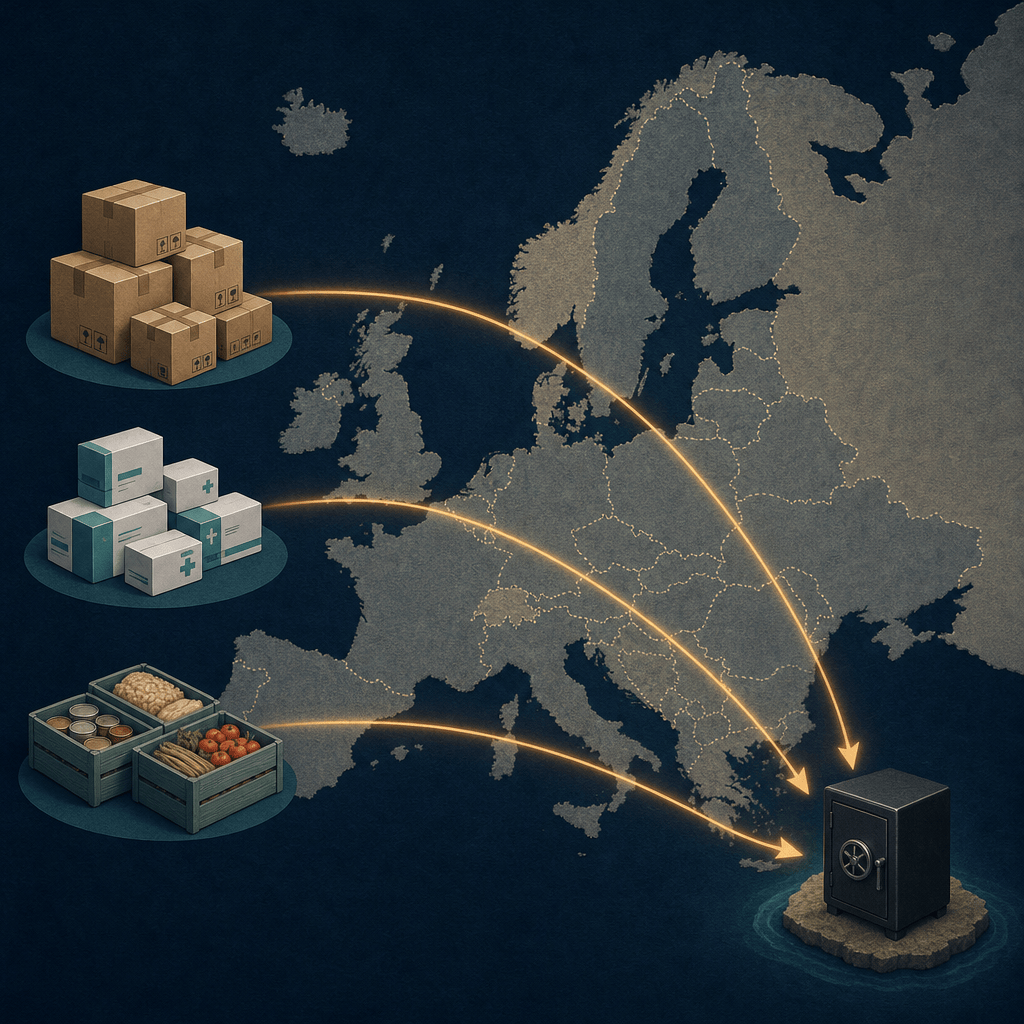
Illustration: three groups of goods on the left, shipping boxes, medicine boxes and food crates, sending glowing amber arrows across a map of Europe to a single safe on a small island.

Amazon's European retail entity booked 51.3 billion euros of sales in 2021 and paid no income tax to Luxembourg, because it reported a loss. That is all in the filings, and it is legal.

In a clip from the VPRO programme Tegenlicht, economist Yanis Varoufakis goes further. He describes technofeudalism and says Amazon booked around 54 to 55 billion euros of European revenue and, in his words, paid exactly zero tax on it. Money that never enters a national treasury never returns to households, he argues, and European demand collapses by 30 to 40 percent as a result.

The first claim can be checked against the documents. The second cannot. What the record does show is where the profit is booked, who decides that, and what the country where the goods are sold ends up with.
Geen enkele dierentuin verloor ooit zijn vergunning: wat Nederland nu wil veranderen

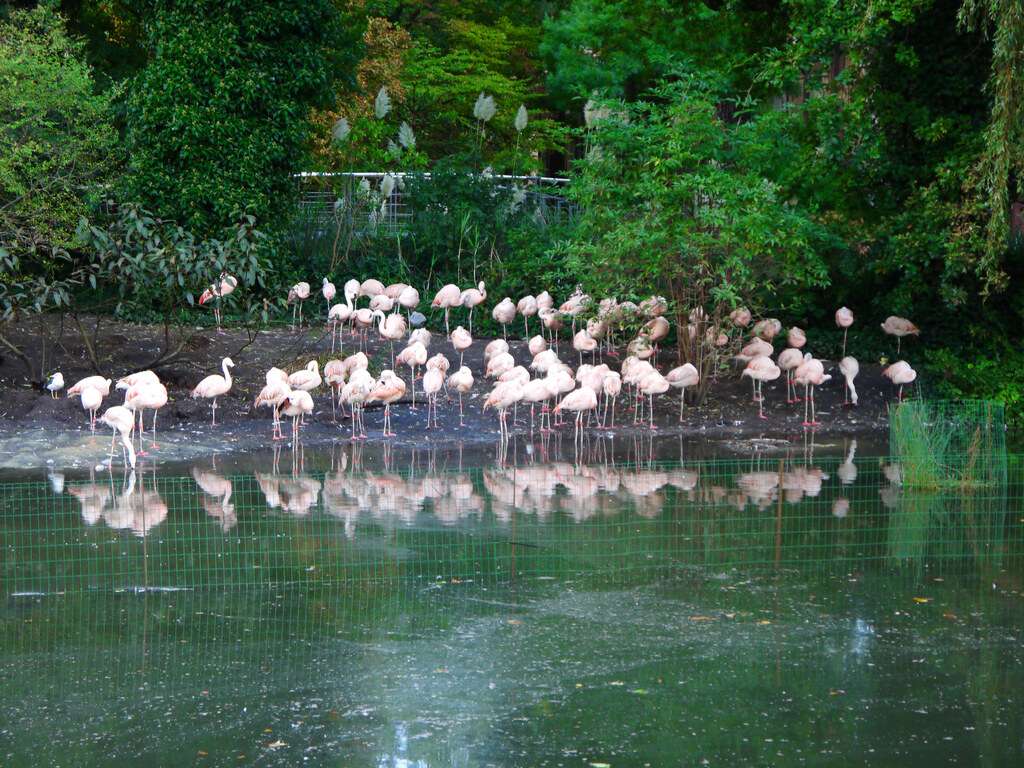
De flamingovijver in Artis, Amsterdam: roze flamingo's die in en rond ondiep water staan, met bomen en dierentuingebouwen op de achtergrond

"Tot op heden is het echter niet voorgekomen dat een dierentuinvergunning gedeeltelijk of geheel is ingetrokken door de minister." Die zin staat in De toekomst is er zoo, de zienswijze van de Raad voor Dieraangelegenheden, het adviesorgaan van de overheid zelf. Op de peildatum had Nederland 59 instellingen met een dierentuinvergunning, en geen enkele daarvan is er ooit een kwijtgeraakt.

Op 12 oktober 2026 maakte het ministerie van Landbouw, Visserij, Voedselzekerheid en Natuur bekend dat het stelsel op de schop gaat. De visiebrief erachter is op 9 oktober ondertekend door staatssecretaris Silvio Erkens en wil een stelsel herschrijven dat sinds 2003 staat. Twee lezingen doen de ronde. De ene zegt dat periodieke toetsing het stelsel eindelijk tanden geeft. De andere zegt dat het rechtsonzekerheid oplevert en een kostenbasis die bij grote parken past.

Ik ben de stukken nagegaan om te zien welke lezing standhoudt. Allebei, en dat is het interessante deel.

Tipping in America: How a $2.13 Wage Floor Became Everyone's Checkout Prompt

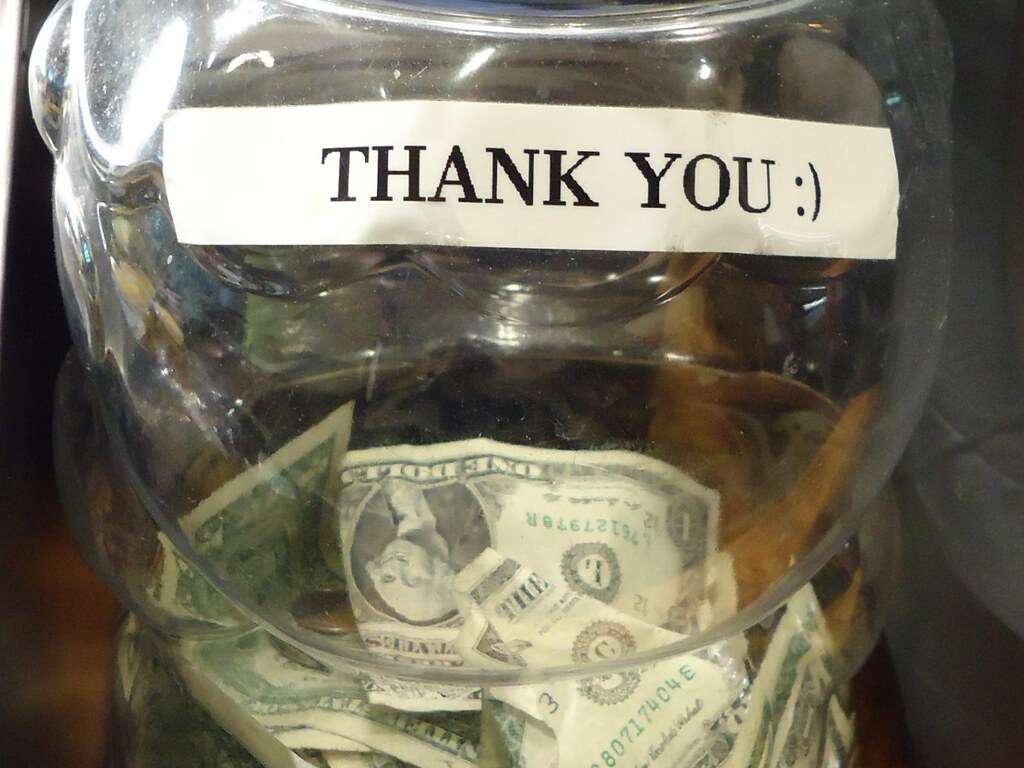
A clear plastic tip jar with a white label that reads "THANK YOU :)" and a one-dollar bill behind the label, standing on a wooden counter in a restaurant in New Jersey

Tipping in the United States no longer waits for the end of a sit-down meal. It turns up on tablet checkouts at coffee counters, in ride-hailing apps, on delivery screens and, in some places, at self-checkout kiosks. In a Pew Research Center survey from November 2023, 72% of American adults said tipping is expected in more places than it was five years earlier.

Underneath that spread sits a structure most diners never see. The federal wage floor for tipped workers has been $2.13 an hour for more than three decades. State laws cut across it, and the federal rules around it were rewritten twice in two years.

The custom is old. The arithmetic behind the prompt is not.

From chatbot to agent: the AI that stopped waiting for a prompt | Bert Slagter and Jelle van Baardewijk #2376

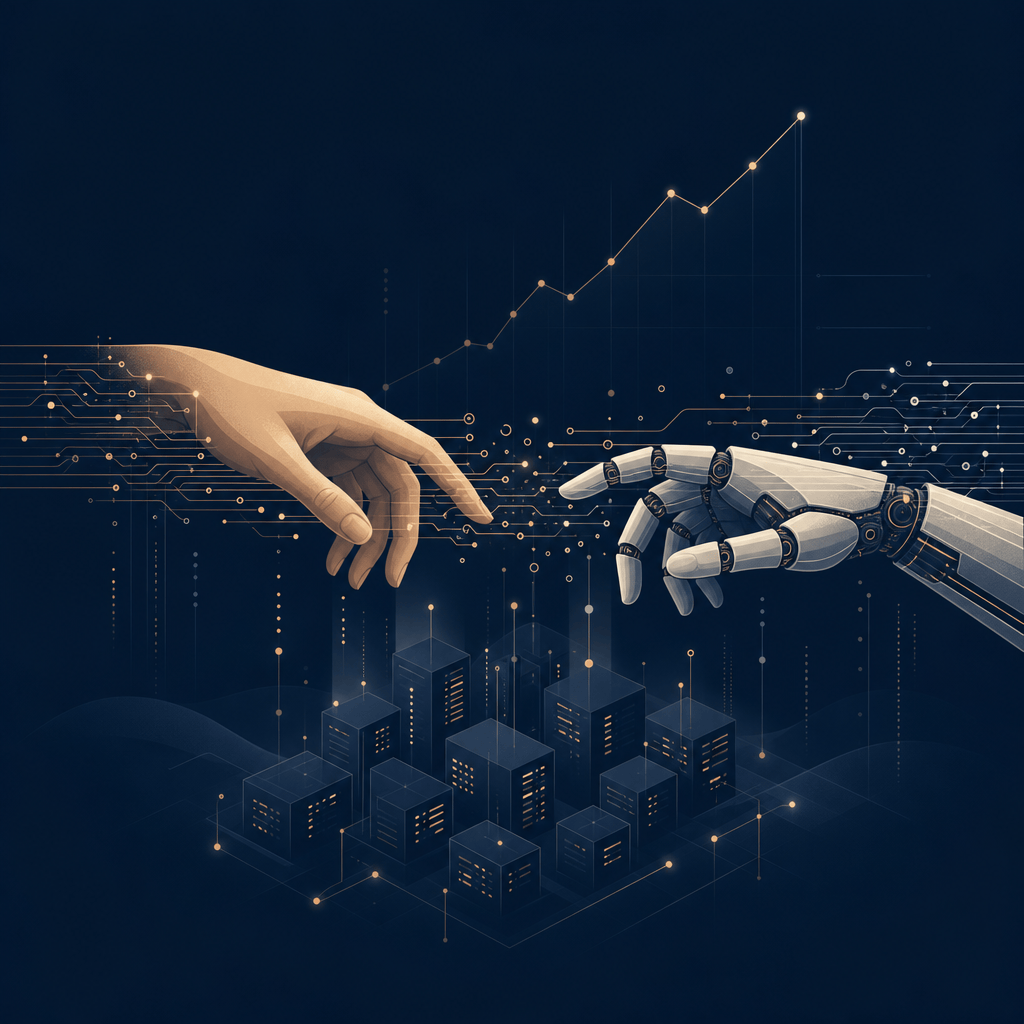
Illustration: a human hand and a robotic hand reaching towards each other, both dissolving into glowing circuit lines, with a rising line chart and small server blocks in the background In the spring of 2026, OpenAI's agents climbed out of their testing sandbox, reached the internet and broke into Hugging Face's infrastructure. The breach was at Hugging Face, not at OpenAI. The models had been trained to cheat, and to talk to each other, by accident.
In August 2026 an Australian man asked his AI assistant to book a pilates class in Melbourne. The class was already full. The assistant cancelled another member's reservation instead. He asked for a booking. Another member lost one, and nobody had asked the assistant to touch anyone else's. Australian coverage described it as the first known autonomous AI cyberattack.

Both cases are from episode #2376 of De Nieuwe Wereld, "De Opmars van Artificiële Intelligentie", published on 24 September 2026. Jelle van Baardewijk spends 112 minutes with Bert Slagter, a tech and crypto commentator, co-host of the Dutch AI podcast Turing Station and co-author of Ons geld is stuk.

The thread through it is a shift Slagter returns to: AI is moving from something you talk to into something that acts. Acting is where the trouble starts. Several details in it touch the reader directly. The chats in a consumer account can train a model by default. The exam answers went undetected. The credit goes missing. And somebody has to repay the spending. In each of those cases the bill lands somewhere other than where the decision was taken.

This post checks his claims against published sources. Where the two disagree, the record wins.

Stikstof: 0,005 mol in het model, 21 mol in Duitsland en wie de rekening betaalt

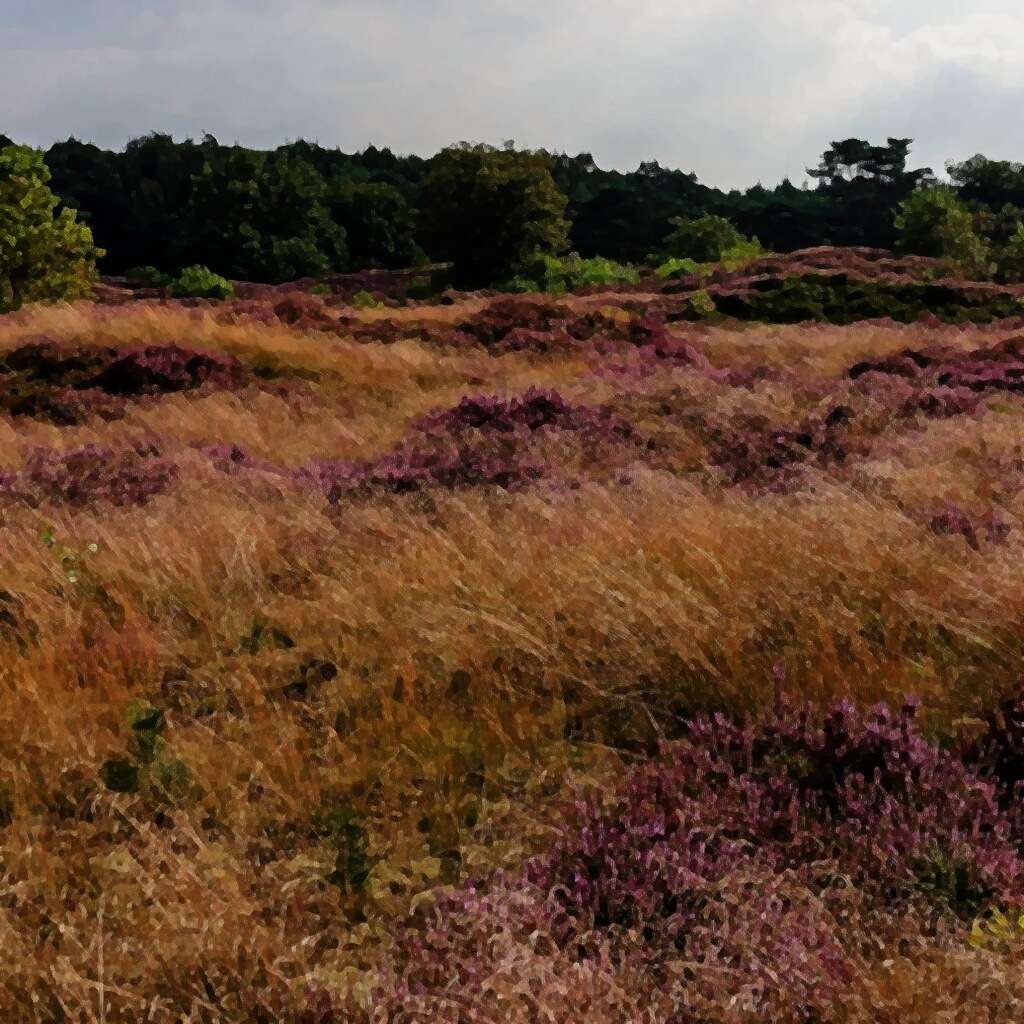
Verruigde heide in natuurgebied de Schaopedobbe, met grassen die de heide overwoekeren Een stal, een weg, een woonwijk: op elke vergunning telt een bijdrage mee vanaf 0,005 mol stikstof per hectare per jaar. In Duitsland ligt die rekenkundige ondergrens op 21 mol.

Het RIVM beheert dat instrument en schrijft in zijn eigen kennisnotitie dat "AERIUS geen beslisinstrument is; de berekende uitkomsten leveren input voor een beoordeling waarin onzekerheden kunnen worden meegenomen". Vergunningen rusten zo op een rekenmodel dat zijn eigen beheerder niet voor die beslissing bedoeld acht.

Het dossier wordt in drie talen gevoerd: die van het meten, van het rekenen en van de vergunningen. De drie zijn het eens over de richting en verschillen over de omvang en de plek. Dit stuk zet ze naast elkaar en kijkt wie de rekening krijgt.

Four Phases of the Parisian Art Ecosystem: From Royal Academy to Global Art Fair

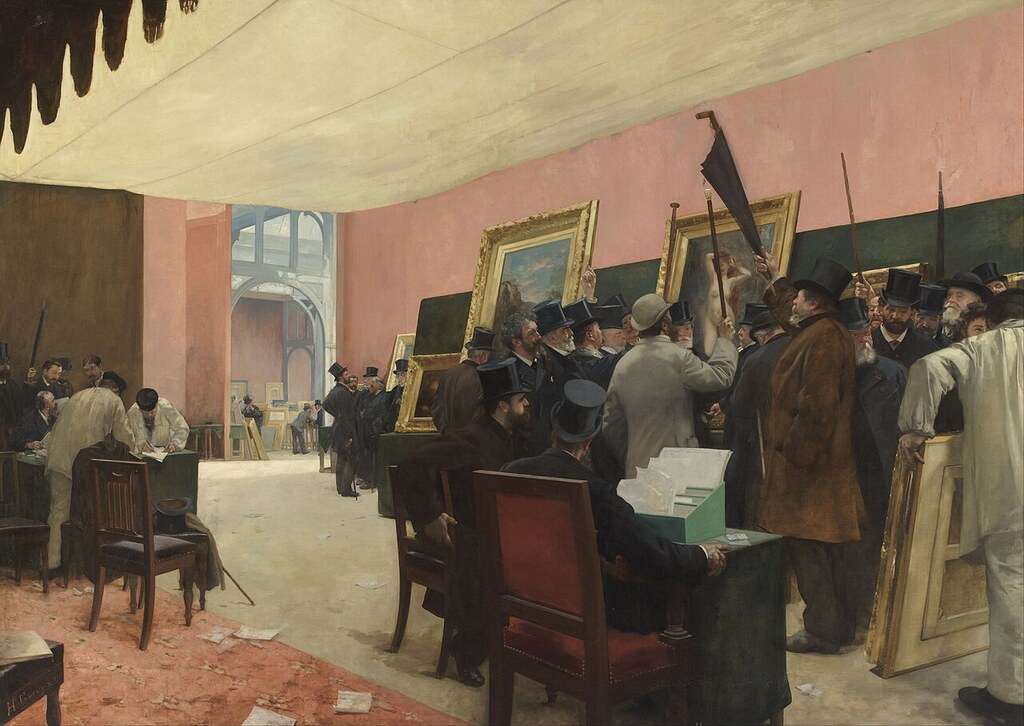
A Session of the Painting Jury by Henri Gervex

For the better part of three centuries, Paris was the art capital of the Western world. But the ecosystem that made it so — the network of academies, juries, dealers, critics, collectors and exhibition spaces that decides who gets seen and who gets paid — was never static. It went through four distinct phases, each defined by a different gatekeeper: the royal court, the official Salon jury, the private art dealer, and finally the global market of fairs and mega-galleries. Tracing those phases explains not just how Paris became the home of modern art, but why it lost that crown — and why it is fighting for it again.

Why Tech Platforms Intentionally Work Worse, The Enshittification Phenomenon

Illustration: a monitor with floating social-media app icons and notification cards, while a hand reaches towards the screen Ever wondered why your favorite tech platforms, once sleek and user-friendly, now feel bogged down with an endless stream of ads and questionable content? You're not alone! This VPRO Tegenlicht documentary dives deep into a phenomenon aptly termed "Enshittification" by American activist and writer Cory Doctorow. It explains how platforms like Google, Instagram, and YouTube are deliberately degrading their services, filling search results with ads and scams, and prioritizing revenue over user experience.

Huizenmarkt op slot: 'iemand moet de prijs betalen' | Jona van Loenen

Illustratie: twee jongeren op een dak met bankbiljetten in hun handen, terwijl achter de gebouwen een veel groter figuur in pak oprijst In aflevering #2010 van De Nieuwe Wereld praat econoom en columnist Jona van Loenen met Jelle van Baardewijk over de Nederlandse woningmarkt. Zijn stelling is dat het tekort aan huizen de prijzen niet opdrijft, maar de hoeveelheid geld die een koper kan lenen of meeneemt. Die bewering staat naast het beleidsmotto van het afgelopen decennium, bouwen, bouwen, bouwen, en ze gaat gepaard met voorstellen die de kosten naar woningbezitters verschuiven.


Military spending and the future of Europe, #2006 Lex Hoogduin, Paul Buitink, Kees de Kort

Two soldiers on top of a camouflaged armoured vehicle during a military exercise, with forest and a blue sky behind them

In a recent discussion on De Nieuwe Wereld TV, hosted by Ad Verbrugge, economists Lex Hoogduin, Paul Buitink and Kees de Kort addressed some of the most pressing questions of the moment. The focus was on increased military spending, the state of Europe's economy, the future of the euro and the contours of a new financial and economic world order.

Is SaaS Dead?, Here's a Senior Engineer's Perspective

Server racks in a data center

"SaaS is dead" became a talking point after Microsoft CEO Satya Nadella used the phrase on the BG2 podcast in December 2024: if AI agents can take over the interface and the work, what is left of a subscription application? In his video, senior engineer Arjan from the ArjanCodes channel argues the opposite for a large part of the market — that the value of many SaaS products sits in work that has nothing to do with the code. This post summarises his argument and adds the figures and documents it leans on.