Skip to content

Software Development

The Real Lesson of Firstmate: In the Age of Agents, Build the Tools That Fit You
Pixelated photograph of a ship's crew on deck, circa 1904

An L8 principal engineer at Meta quits his job — and instead of launching a startup or raising a fund, he spends a year building wrappers. He wraps the GitHub CLI, Chrome DevTools, Git worktrees and code validation, and writes a tool called gnhf — "goodnight, have fun" — that babysits his coding agents while he sleeps. Stitched together, they became Firstmate, an open-source project that hit 3,000 stars in two months. But in this video, Hal Shin argues that the tool is not the interesting part: the real lesson is what its author understood about building for yourself in the age of AI agents.

Pi Agent's Developer on Why Minimal Beats Maximal in AI Coding

A teal π symbol, a nod to the Pi coding agent

Pi is one of the smallest coding agents around — a minimalist terminal "harness" with a system prompt under 1,000 tokens and just four built-in tools (read, write, edit, bash) — and yet it keeps beating far heavier rivals like Claude Code and Codex in head-to-head comparisons. In this episode of the David Ondrej podcast, Armin Ronacher (the creator of Flask and Jinja2, who now works on Pi at Earendil together with Mario Zechner) explains why less tooling is winning, and walks through his own agentic engineering workflow.

Enterprise Design with EDGY: A Common Language for the Whole Organisation

Abstract pixelated architecture, inspired by EDGY's design facets

Most organisations are designed in silos. The user experience team and the process architect speak different languages; the executive can't relate to the strategic product roadmap; the organisation designer can't see the impact of that tangled application architecture. The result is a fragmented enterprise with a fragmented design. EDGY is an open-source response to exactly that problem: a simple, graphical language that lets designers, architects and change-makers co-design the enterprise as a coherent whole.

Van Coder naar Architect/Builder

Video thumbnail

From "Coder" to "Conductor": How AI is Rewriting Software Development

Imagine sitting at your desk, but instead of staring at a blinking cursor and manually typing out lines of code, you feel more like an orchestra conductor. You aren't writing the notes anymore; you are guiding an entire crew of AI agents.

That is precisely the shift software creator Peter Steinberger highlights in his work. Rather than casual "vibe coding," he calls his approach agentic engineering. He barely writes code by hand anymore; instead, he designs systems, establishes the core architecture, and lets AI agents handle the boring plumbing work.

C4 models as code, Simon Brown, NDC Oslo 2023

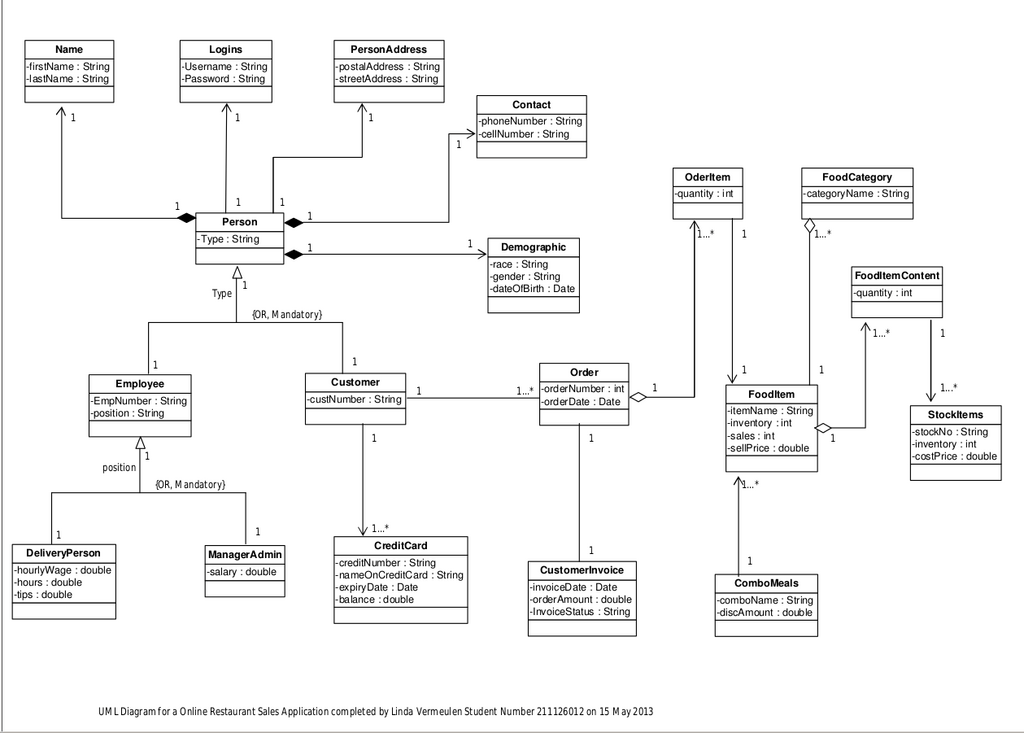
UML class diagram example

The Agony of Outdated Architecture Diagrams

We've all been there. You're trying to understand a complex system, and you finally hunt down the architecture diagrams, only to be hit with a soul-crushing realization: they haven't been updated since the project's kickoff. The diagrams show a pristine monolith, but you know for a fact that the reality is a sprawling jungle of microservices, serverless functions, and cryptic third-party integrations. The documentation lies, and the "source of truth" is now just a source of confusion.

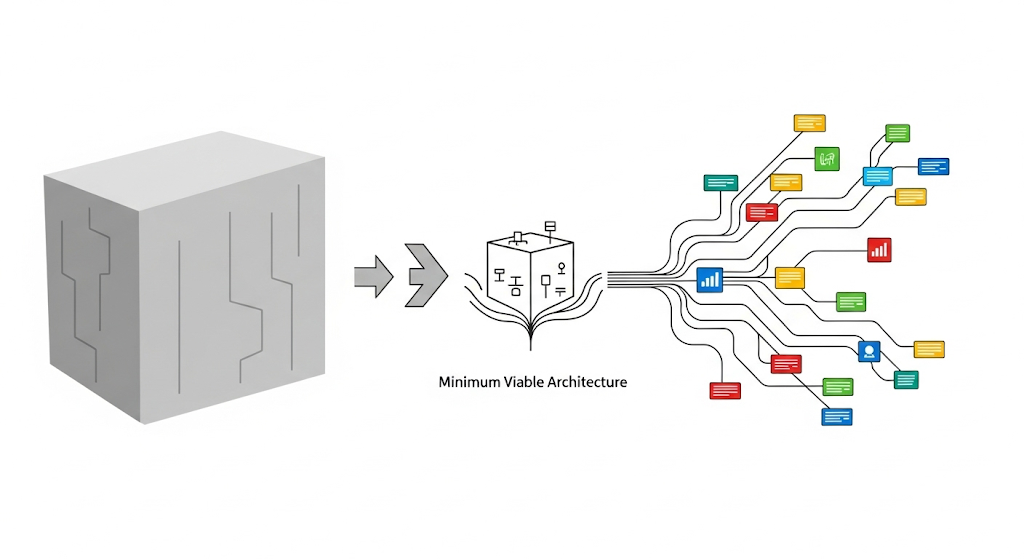
Minimum Viable Architecture, Randy Shoup, YOW! 2022

Diagram: a monolith on the left evolving into a small Minimum Viable Architecture core with many services connected to it

In the world of software engineering, there's a tempting desire to build the perfect, infinitely scalable architecture from day one. However, as veteran architect Randy Shoup explains in his talk at YOW! 2022, this is often a path to failure. The key takeaway is that architecture is not a static blueprint; it's an evolutionary journey that must align with the changing needs of the business. There is no one-size-fits-all solution.

Is SaaS Dead?, Here's a Senior Engineer's Perspective

Server racks in a data center

"SaaS is dead" became a talking point after Microsoft CEO Satya Nadella used the phrase on the BG2 podcast in December 2024: if AI agents can take over the interface and the work, what is left of a subscription application? In his video, senior engineer Arjan from the ArjanCodes channel argues the opposite for a large part of the market — that the value of many SaaS products sits in work that has nothing to do with the code. This post summarises his argument and adds the figures and documents it leans on.

Software Architecture, The Hard Parts - Neal Ford

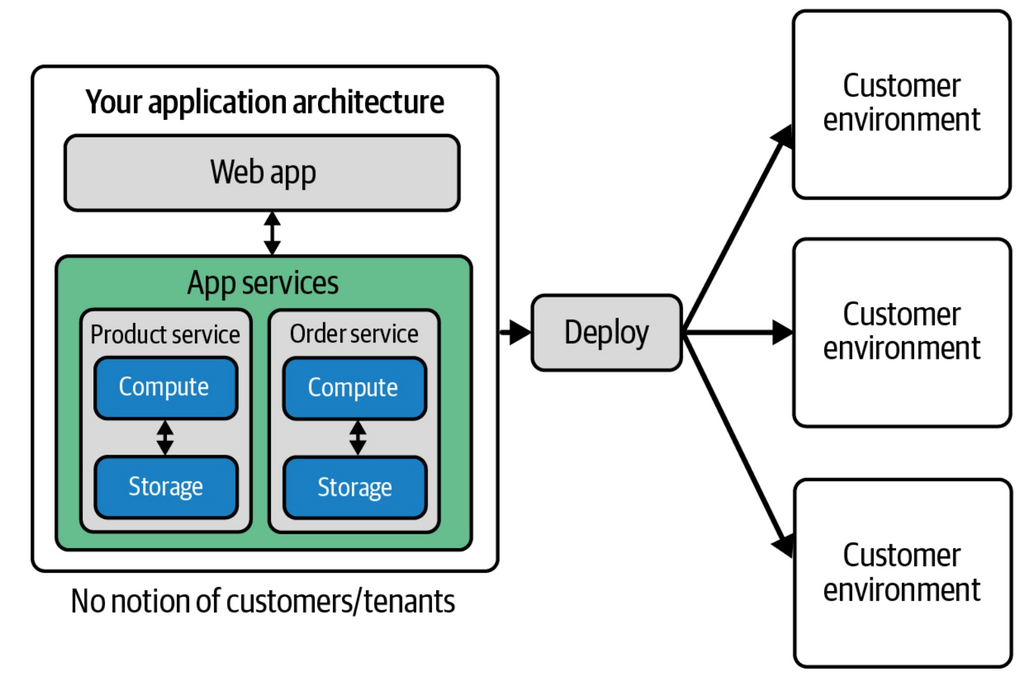
A traditional, non-SaaS application architecture

The Architect's Dilemma: A World of Awful Tradeoffs

In his insightful talk, "Software Architecture: The Hard Parts," Neal Ford delves into the core challenges that make the role of a software architect so demanding. The central theme is that there are no easy answers or perfect solutions in architecture; every decision is a complex tradeoff. This talk aims to illuminate these difficult areas and provide frameworks for navigating them more effectively.