Skip to content

Eelco van Bommel

The rise of AI: from chatbot to agent | Bert Slagter and Jelle van Baardewijk #2376
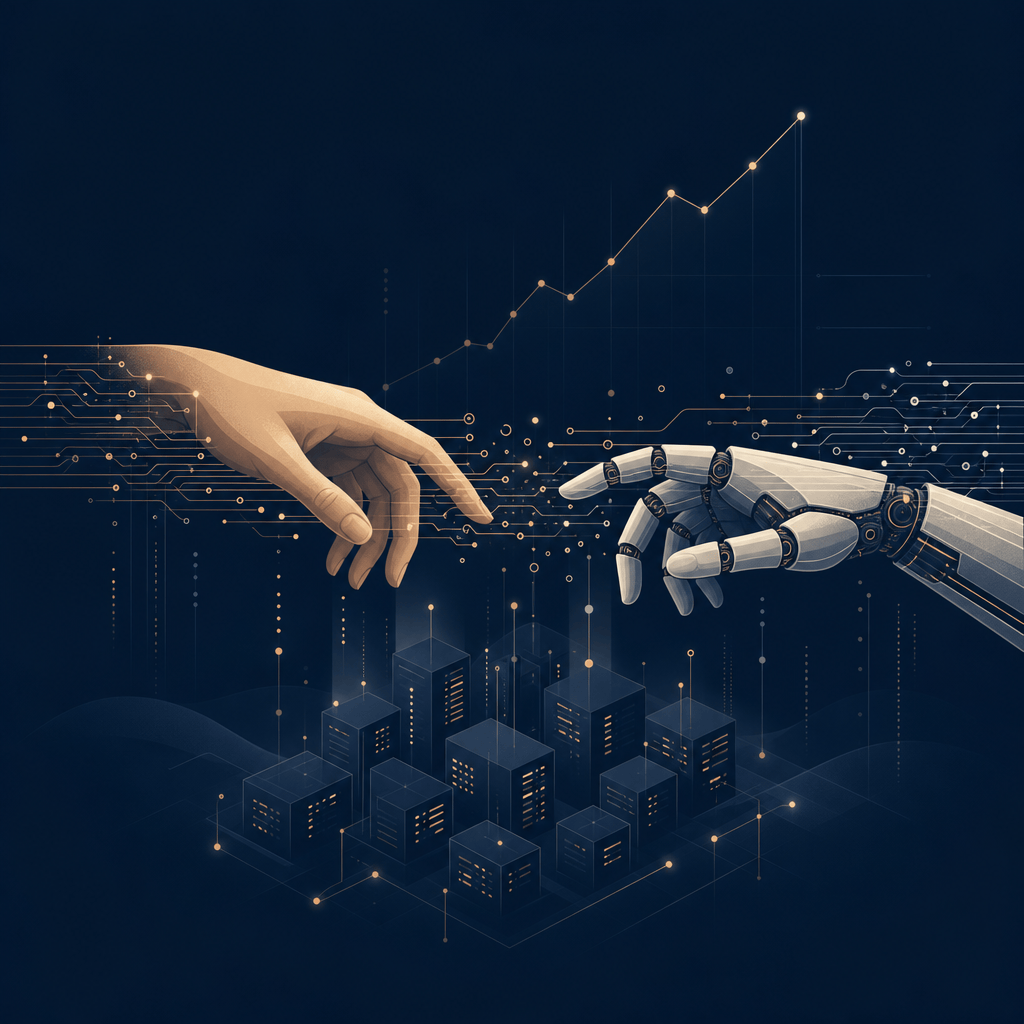
Illustration: a human hand and a robotic hand reaching towards each other, both dissolving into glowing circuit lines, with a rising line chart and small server blocks in the background In episode #2376 of De Nieuwe Wereld — "De Opmars van Artificiële Intelligentie", published on 24 September 2026 — Jelle van Baardewijk spends 112 minutes with tech and crypto commentator Bert Slagter, co-host of the Dutch AI podcast Turing Station and co-author of Ons geld is stuk. The conversation starts with how a language model is actually built and ends with quantum computers and the dollar, and the connecting thread is a shift the guest returns to throughout: AI is moving from something you talk to into something that acts.

That shift is where the episode is most concrete — and also where it is easiest to check. Below, the claims are attributed to the speakers and tested against public sources. Where the episode's own figures differ from the record (the founding year of OpenAI, the running time of a mathematics proof, the year calculators reached classrooms), the published source wins and the difference is noted.
Technology and connection: what the evidence says about dating apps, dancing and children

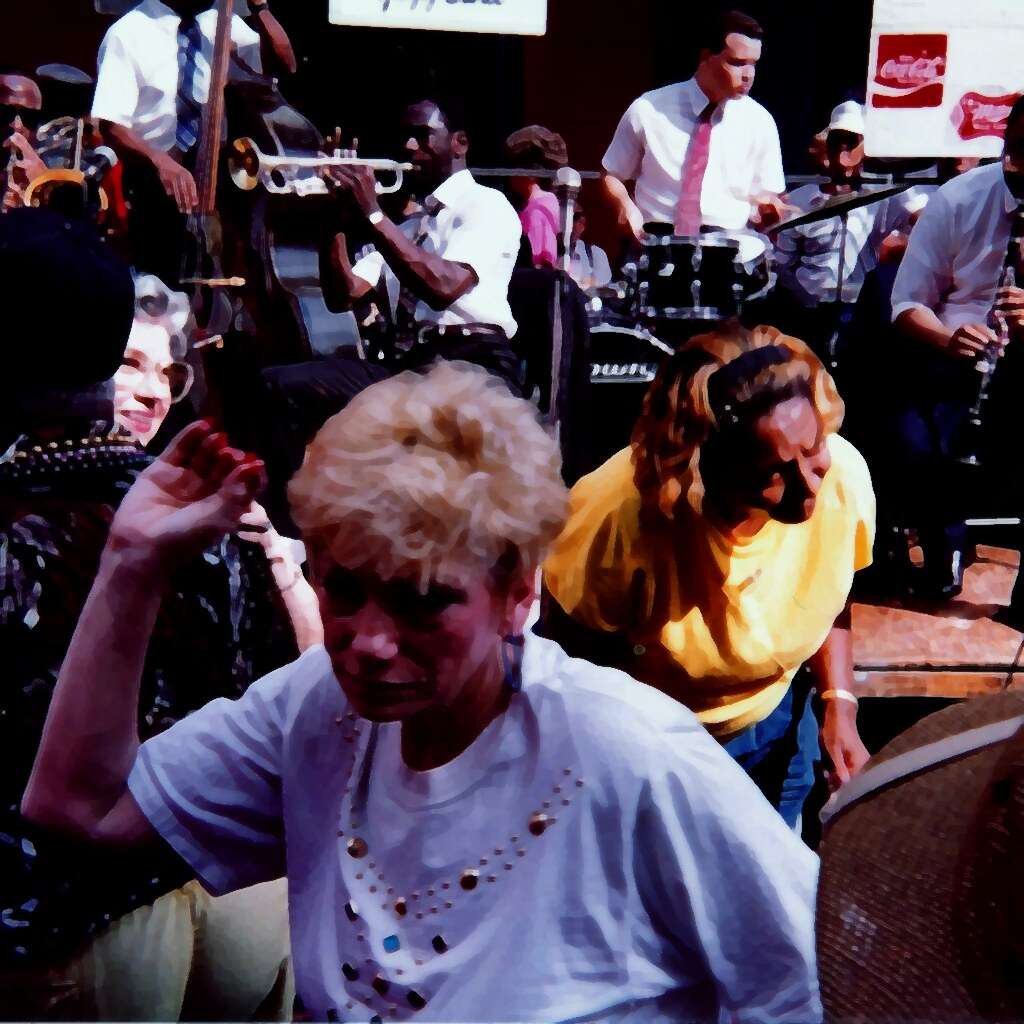
People dancing in front of a brass band at the French Quarter Festival in New Orleans

A clip from the Nexus Conference 2025 in Amsterdam is circulating again, and it makes four claims: nobody in the speaker's generation has children, young people have stopped dancing because everything gets filmed, dating apps are optimised for you to come back rather than to find someone, and the promise of the internet — democracy, freedom, happiness, economic growth — was never kept. Three of those four can be checked against data. This post does that, with the arguments attributed to the speaker rather than repeated as facts.

Nitrogen in the Netherlands: what nature measures, what the models calculate, and who pays

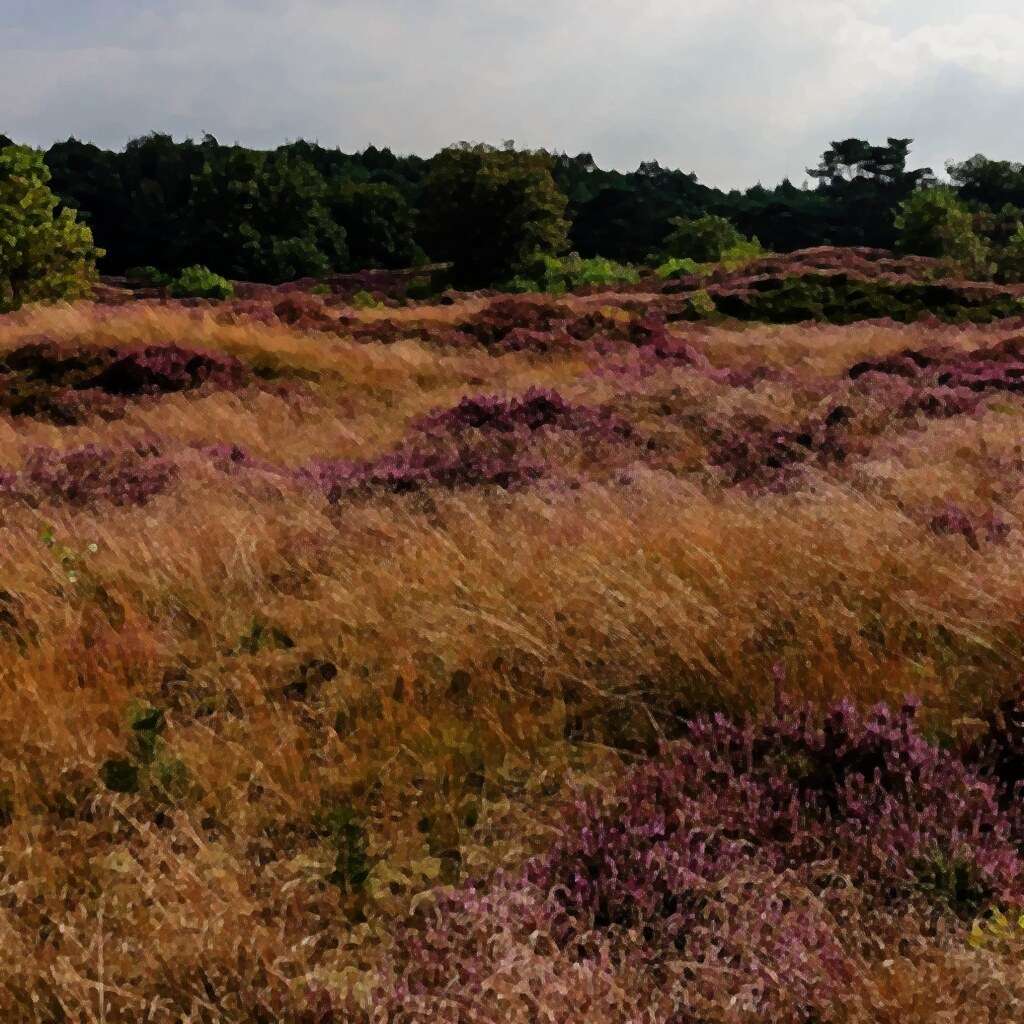
Heathland in the Schaopedobbe reserve with grasses encroaching on the heather The Dutch nitrogen dossier is discussed in three separate languages at once: that of monitoring (what is measured in nature), that of calculation (what the models predict at a given location), and that of permits (who may build, expand or farm). The three agree on the direction and differ on the size and the location. This post sets them side by side: the measured trend, the uncertainties the model keepers themselves publish, and what the dossier costs farmers, builders and households.

Climate.us: Rebuilding Climate.gov Outside the Government

Earth seen from orbit, North America in view

For about fifteen years, Climate.gov was the place Americans landed when they wanted a straight answer about the climate. It was run by NOAA, the National Oceanic and Atmospheric Administration, and at the start of 2025 it was the top organic result if you typed "climate" into Google in the United States. Then, over the course of a year, it stopped being updated, lost its staff and went dark.

The site that grew back in its place is called Climate.us. It is run by members of the same team, it is not part of the government, and it exists because a few people refused to let fifteen years of work disappear.

Buzz: Block's Agent-Native Workspace, Explained

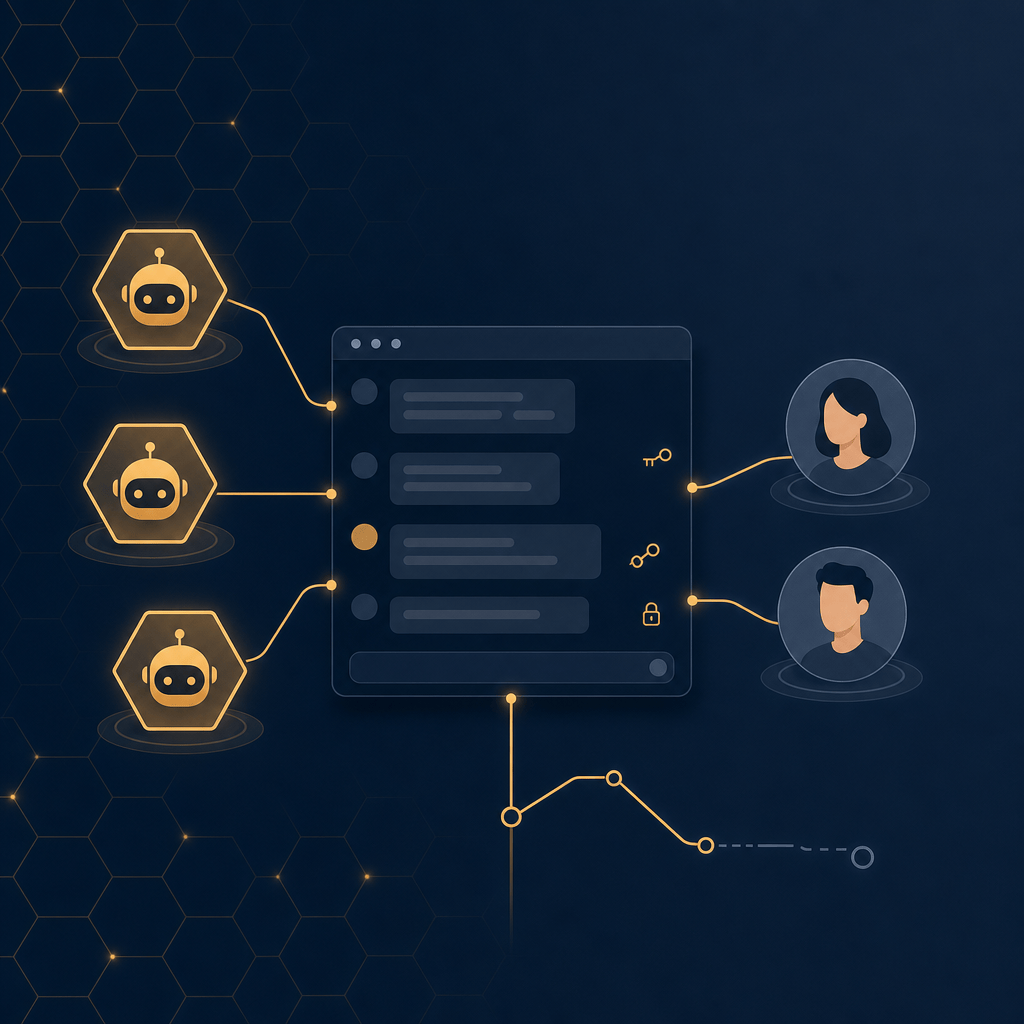
An illustration of AI agents sitting as equal members inside a shared team chat workspace

Slack changed how teams talk. Buzz, the open-source workspace Block released in July, bets that the next change is about who is in the room: not only your colleagues, but their agents — as members with names, identities and channel access rather than as a bot bolted on through an integration. It is being called a Slack killer, and the interesting part is not the chat window.

The Real Lesson of Firstmate: In the Age of Agents, Build the Tools That Fit You

Pixelated photograph of a ship's crew on deck, circa 1904

An L8 principal engineer at Meta quits his job — and instead of launching a startup or raising a fund, he spends a year building wrappers. He wraps the GitHub CLI, Chrome DevTools, Git worktrees and code validation, and writes a tool called gnhf — "goodnight, have fun" — that babysits his coding agents while he sleeps. Stitched together, they became Firstmate, an open-source project that hit 3,000 stars in two months. But in this video, Hal Shin argues that the tool is not the interesting part: the real lesson is what its author understood about building for yourself in the age of AI agents.

Pi Agent's Developer on Why Minimal Beats Maximal in AI Coding

A teal π symbol, a nod to the Pi coding agent

Pi is one of the smallest coding agents around — a minimalist terminal "harness" with a system prompt under 1,000 tokens and just four built-in tools (read, write, edit, bash) — and yet it keeps beating far heavier rivals like Claude Code and Codex in head-to-head comparisons. In this episode of the David Ondrej podcast, Armin Ronacher (the creator of Flask and Jinja2, who now works on Pi at Earendil together with Mario Zechner) explains why less tooling is winning, and walks through his own agentic engineering workflow.

Breda's Nightlife: A Night Out for Young and Old Alike

Café Terrace at Night by Vincent van Gogh

In most Dutch cities, a night out has a clear demographic: the party streets skew young, the bars skew trendy, and the people over forty tend to stay home. Breda is different. In this compact, historic Brabant city, the nightlife genuinely seems to be for everyone — teenage students, thirty-somethings and pensioners often end up in the same brown café or at the same terrace, and nobody finds it odd. That cross-generational character is Breda's most distinctive social signature.

NAC Breda in 2026: The Big-Budget Favourite for an Immediate Comeback

Pixelated photograph of a football stadium

NAC Breda — the "Pearl of the South", backed by one of the most passionately loyal fanbases in Dutch football, the Yellow Army — spent the 2025-26 season back in the Eredivisie, only to come straight back down. Now they find themselves in the Keuken Kampioen Divisie for 2026-27, and their chances of an immediate return are among the best in the division. Not because of luck, but because of the budget, the continuity in the dugout and the sheer size of the club. It is a strong position — but not one without risk.

Omarchy 4.0: Could This Be the First Truly AI-Embedded Operating System?

Pixelated photograph of code on a computer monitor

Most operating systems treat AI as an afterthought: an assistant app bolted onto the desktop, or a chatbot you open when you remember it's there. Omarchy, the Arch Linux-based distribution created by David Heinemeier Hansson, takes the opposite approach—and its 4.0 release, code-named Quattro, is the clearest attempt yet at making an AI agent a genuine part of the operating system itself. That is why so many are calling it a strong candidate for the first truly AI-embedded OS.