Birds Are the Only Surviving Dinosaurs: Steve Brusatte's 'The Story of Birds'
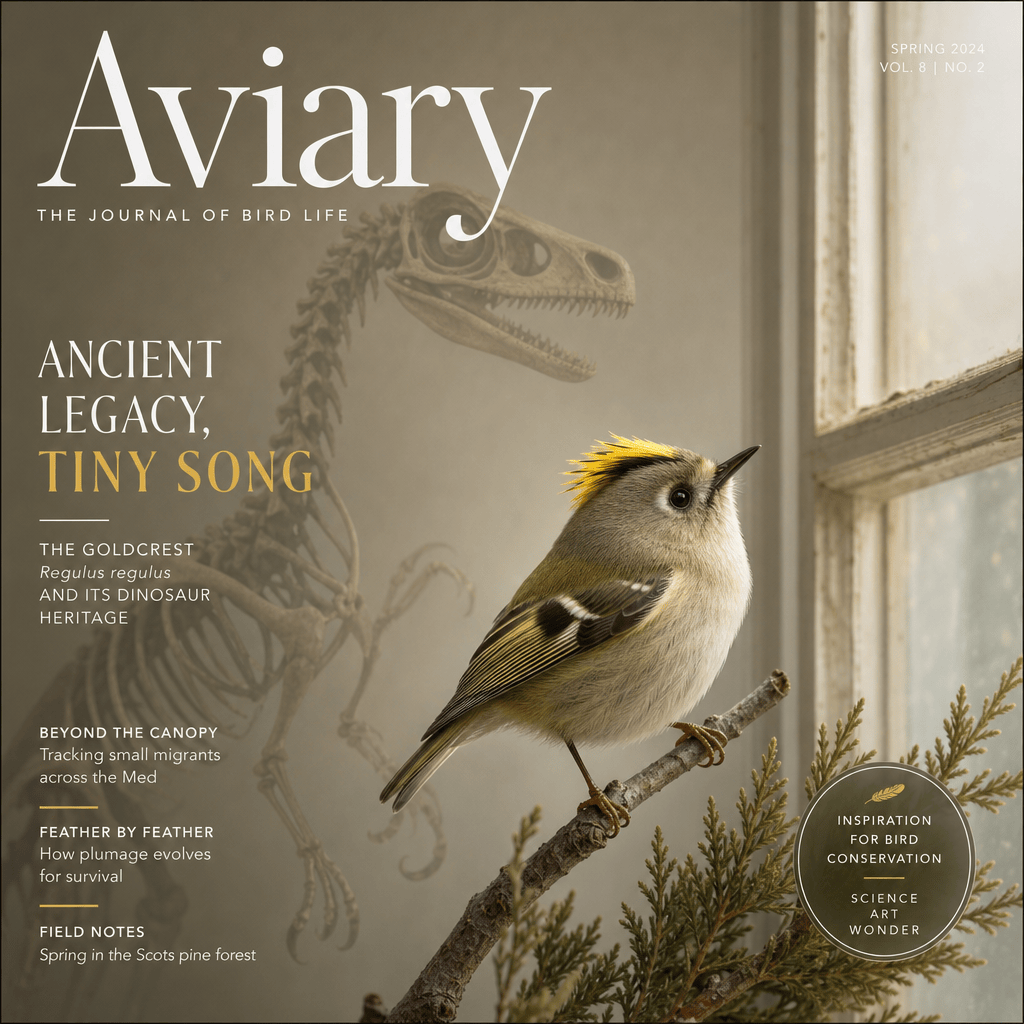
When a gull dive-bombs your picnic, paleontologist Steve Brusatte sees more than a bird thief: he sees a small dinosaur with unmistakable velociraptor attitude. In this New Scientist interview, the author of the new book The Story of Birds makes a bold claim — birds aren't just descended from dinosaurs, they are dinosaurs, the only branch that survived the asteroid.
Birds are dinosaurs, literally
Birds are dinosaurs in the same way bats are mammals. They evolved from a group of raptor-like dinosaurs and are nested deep within the reptile family tree — so close to crocodiles that birds are more closely related to crocs than crocs are to lizards. The proof comes from bones and fossils, but also from DNA and development: tweak a bird's genes and an embryo can grow tiny teeth that look like a miniature T-Rex's. A bird's pelvis, days into its development, briefly resembles a T-Rex's before morphing into its modern form.
How flight happened by accident
Flight began with feathers that had nothing to do with flying. Early feathers were as ordinary to dinosaurs as hair is to mammals. Raptors grew smaller while their wing feathers became longer and more colourful — likely used as advertising billboards to attract mates. When bodies shrank and display wings grew, a physical threshold was crossed: a little fluttering. Once airborne, natural selection took over, eventually producing Archaeopteryx, the oldest known true bird — it could genuinely flap its wings, yet still had teeth, claws and a long tail.
Feathered apes and ancient giants
Bird brains challenge our assumptions. Relative to body size, birds match mammals — crows and parrots pack neuron counts into the primate zone. Brusatte calls them "feathered apes." The fossil record even suggests that after the asteroid, birds kept their brains while mammals briefly got "dumber" as their bodies ballooned.
The interview tours the strangest extinct birds: penguins the size of gorillas, ten-foot terror birds, Australia's demon ducks, and Pelagornis, a 20-foot-wingspan glider that broke the limits of what physics said was possible.
Survivors of the next crisis
Turning to the future, Brusatte warns we may be in the first mass extinction since the asteroid — and its driving force is us. Yet he's confident birds, adaptable survivors whose ancestors faced down that impact, will get through it, possibly in wacky new forms like giant flightless pigeons. His own favourite is the goldcrest, Europe's smallest bird, weighing about as much as a grape: a living dinosaur, in your window.
Original video: Why Birds Are The Only Surviving Dinosaurs