Singapore's Biological Data Center: 16 Million Living Neurons at Work
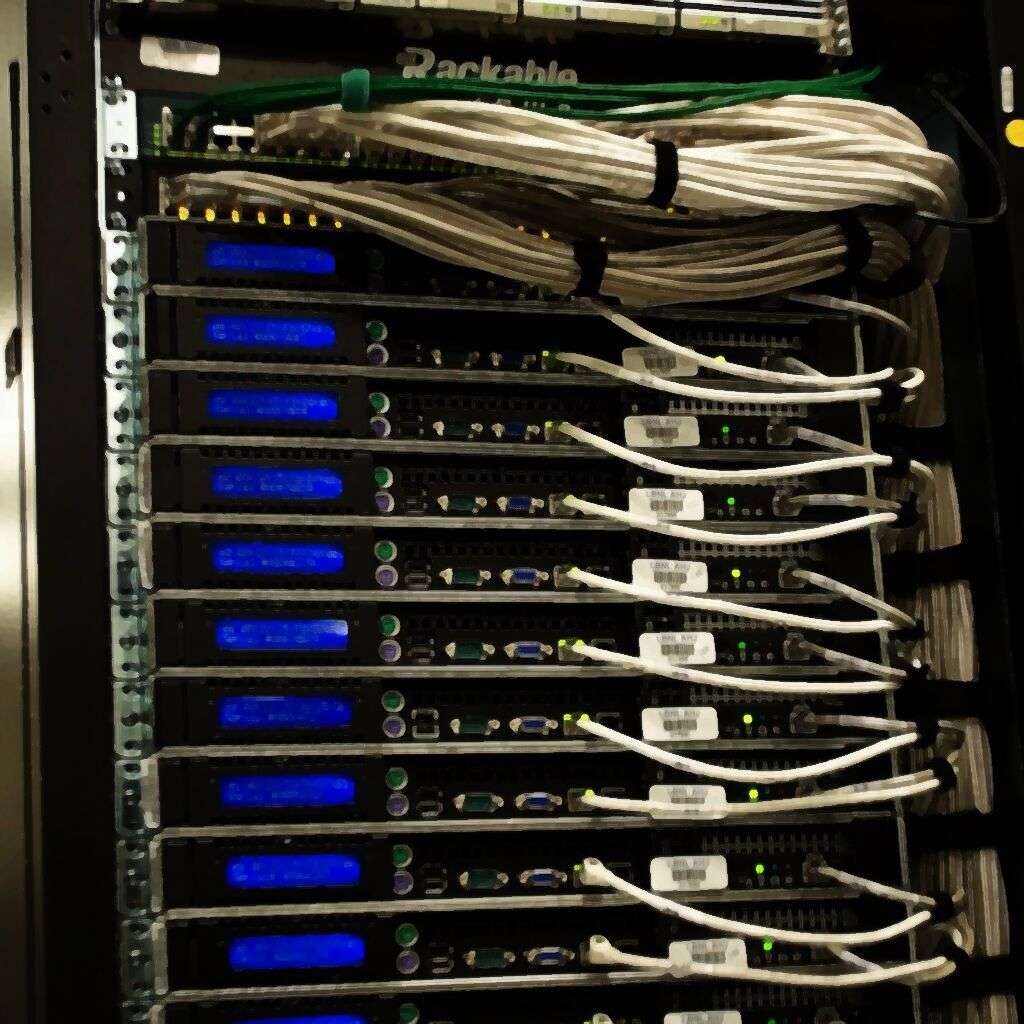 In Singapore, researchers have switched on a data center that runs on a different kind of silicon substitute: living human brain cells. The prototype, built at the NUS Life Sciences Institute by the Yong Loo Lin School of Medicine (NUS Medicine) together with global data center developer and operator DayOne and Melbourne-based biological computing startup Cortical Labs, packs roughly 16 million living human neurons into a single server rack — the world's first independently operated biologically integrated rack.
What Is "Wetware" Computing?
Traditional data centers process everything on silicon chips and general-purpose CPUs, using standard air cooling for cloud hosting, databases and web workloads. Biological computing takes a fundamentally different approach. Instead of transistors, it uses "wetware": living neurons grown from stem cells, connected to computing hardware through microelectrode arrays that let electrical signals flow between the biological cells and the digital system.
The machine at the heart of it is Cortical Labs' CL1 — the world's first commercial, code-deployable biological computer — with each unit powered by around 800,000 lab-grown human brain cells. Twenty of these units make up the rack in Singapore, summing to roughly 16 million neurons. Cortical Labs first made headlines in 2022 when its earlier "DishBrain" work showed lab-grown neurons learning to play Pong; the CL1 is the productised version of exactly that idea.
What Was Built in Singapore
The prototype was showcased on 6 August 2026, when more than 80 guests watched the CL1 and Cortical Cloud units in operation, including live microelectrode array integration and real-time neural network activity. NUS Medicine provides the expertise to keep the cells alive — growing and caring for them under the supervision of Professor Rickie Patani, a professor of neuroscience at NUS Medicine and director of the Neurobiology Program at the NUS Life Sciences Institute.
"This partnership marks a genuine shift in how we think about computing and its broader scientific potential," said Professor Patani. "By growing living human neurons from stem cells and pairing them with rigorous engineering, we're not only building a more efficient alternative to silicon; we're creating a platform that can help us understand learning and adaptation at their biological source."
Why Biology for Data Centers
The driving force is energy. Biological computing could run on a fraction of the wattage of conventional digital computers — a big deal as data center electricity demand jumped 17% in 2025, per the International Energy Agency. Singapore, which has one of the world's most sustainability-driven digital infrastructure markets, is expanding capacity under tighter green guardrails via its Green Data Center Roadmap. Meanwhile, Southeast Asia's data center power demand could quadruple from 2.6 GW in 2025 to 10.7 GW in 2035.
Beyond efficiency, the technology could complement conventional AI in situations where data is scarce: living neural systems can learn from limited information and adapt as conditions change, rather than needing vast labelled datasets. That opens doors in drug discovery, humanoid robotics, cybersecurity and fraud detection, and could also support research into neurological diseases.
What Comes Next
The collaboration is structured to move from the validation phase into a live deployment environment inside a DayOne commercial data center in Singapore, where the biological rack will be tested under real-world load conditions. The parties are exploring a phased expansion that could reach up to 1,000 units in a DayOne facility, subject to technical validation and regulatory approval.
"Ultimately, this is about offering a more sustainable path for the technologies humankind depends on," said Hon Weng Chong, founder and CEO of Cortical Labs. Jamie Khoo, CEO of DayOne, added that the project is about translating frontier research into practical impact. It's a long way from replacing the modern data center — ethical and biosafety questions around grown brain tissue remain — but the prototype marks a notable step toward a future where the "hardware" of a server isn't silicon at all.
Sources
- NUS Medicine: NUS Medicine, DayOne and Cortical Labs Unveil Biological Data Center Prototype in Singapore
- DayOne: DayOne and Cortical Labs to develop Singapore's First Biological Data Center
- Interesting Engineering: World-first biological data center packs 16 million living human neurons
- Data Center Dynamics: DayOne partners with Cortical Labs, NUS Medicine for Singapore's first biological data center prototype
- PR Newswire: DayOne launches Singapore's first biological data center prototype with Cortical Labs and NUS Medicine
- Image: Rear of rack at NERSC data center — Wikimedia Commons (CC0), painterly
