Skip to content

Information

The SLZB-MR4U: Why a Multi-Radio Zigbee and Thread Stick Is a Smart Home Upgrade

If your home automation journey started like most, it began with a cheap USB Zigbee stick plugged into the back of your Home Assistant server. It works — until it doesn't. Radios wedged next to USB 3.0 ports, SSDs and Wi-Fi antennas share a cramped corner of the house, and the mesh has to reach every room from wherever the server happens to live. SMLIGHT's SLZB-MR4U takes a different approach: a multi-radio coordinator that treats Ethernet, not USB, as the primary interface — and throws in a second radio for Thread and Matter while it's at it.

TaskDaemon-4 and the Impossible Appointment

A descriptive image

The assignment given to TaskDaemon-4 was deceptively simple: find a free time slot with the specialist within forty-eight hours. A scheduling task. The kind of task the Daemon series had been built to swallow whole — parse the calendars, run the matching, book the slot, log the success. TaskDaemon-4 estimated the whole job at eleven seconds of compute and ninety-two lines of routine.

It would be wrong about every part of that.

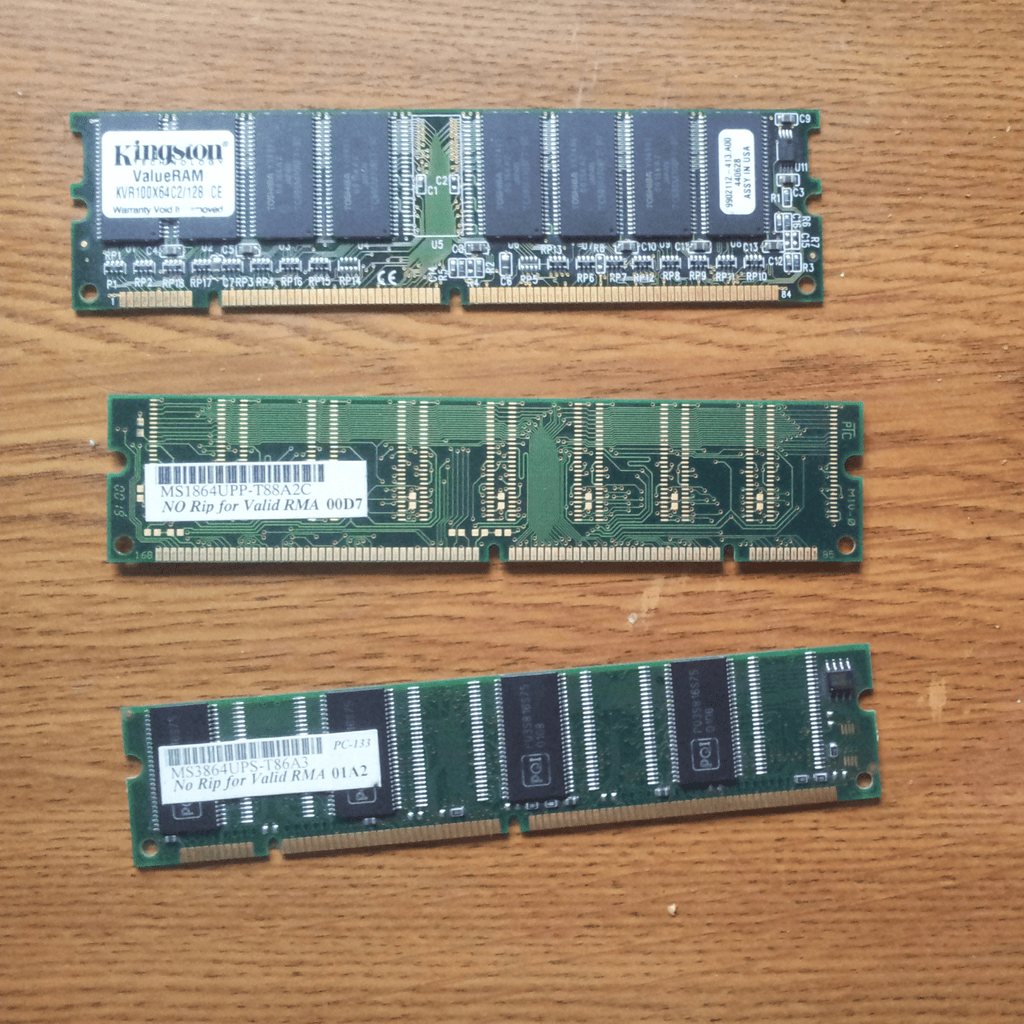
The Memory Price Surge: Why RAM and Storage Got So Expensive

A descriptive image

If you've shopped for RAM or a new SSD lately, you've probably felt a sting. The same 32 GB DDR5 kit that cost a comfortable amount a year ago now costs noticeably more, and that 2 TB NVMe drive you had your eye on keeps creeping up in price. This isn't your imagination or a supply chain blip — 2026 is witnessing one of the most dramatic memory price rallies in the industry's history, and it all traces back to one thing: AI.

Van Coder naar Architect/Builder

Video thumbnail

From "Coder" to "Conductor": How AI is Rewriting Software Development

Imagine sitting at your desk, but instead of staring at a blinking cursor and manually typing out lines of code, you feel more like an orchestra conductor. You aren't writing the notes anymore; you are guiding an entire crew of AI agents.

That is precisely the shift software creator Peter Steinberger highlights in his work. Rather than casual "vibe coding," he calls his approach agentic engineering. He barely writes code by hand anymore; instead, he designs systems, establishes the core architecture, and lets AI agents handle the boring plumbing work.