Skip to content

Technology

Why Tech Platforms Intentionally Work Worse, The Enshittification Phenomenon

Illustration: a monitor with floating social-media app icons and notification cards, while a hand reaches towards the screen Ever wondered why your favorite tech platforms, once sleek and user-friendly, now feel bogged down with an endless stream of ads and questionable content? You're not alone! This VPRO Tegenlicht documentary dives deep into a phenomenon aptly termed "Enshittification" by American activist and writer Cory Doctorow. It explains how platforms like Google, Instagram, and YouTube are deliberately degrading their services, filling search results with ads and scams, and prioritizing revenue over user experience.
C4 models as code, Simon Brown, NDC Oslo 2023

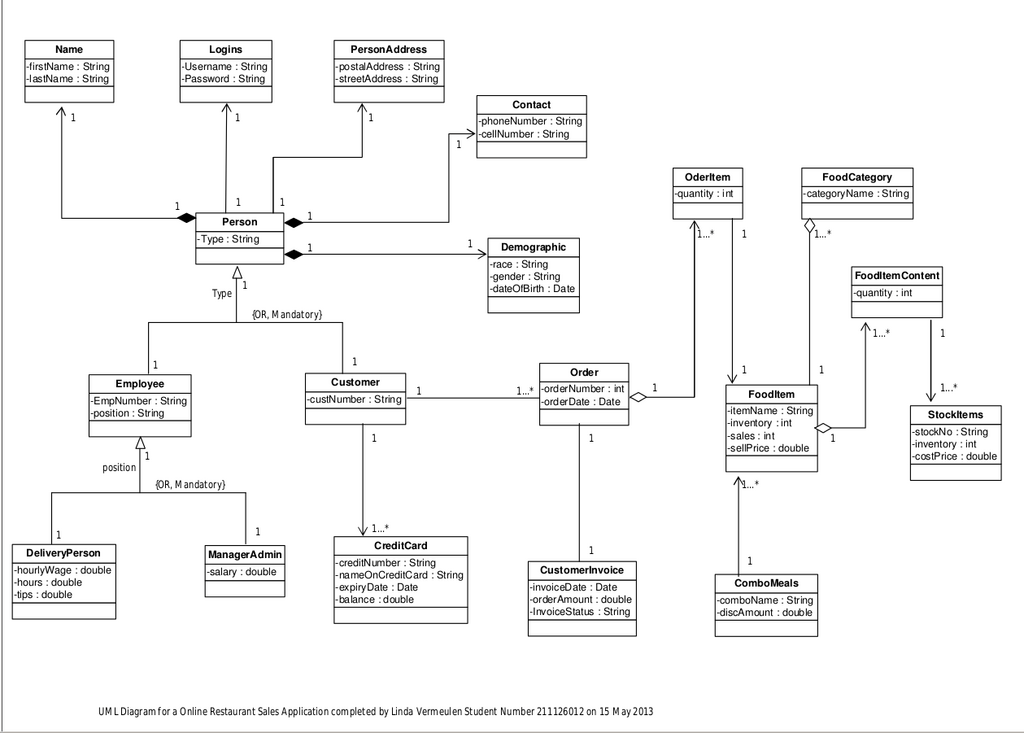
UML class diagram example

The Agony of Outdated Architecture Diagrams

We've all been there. You're trying to understand a complex system, and you finally hunt down the architecture diagrams, only to be hit with a soul-crushing realization: they haven't been updated since the project's kickoff. The diagrams show a pristine monolith, but you know for a fact that the reality is a sprawling jungle of microservices, serverless functions, and cryptic third-party integrations. The documentation lies, and the "source of truth" is now just a source of confusion.

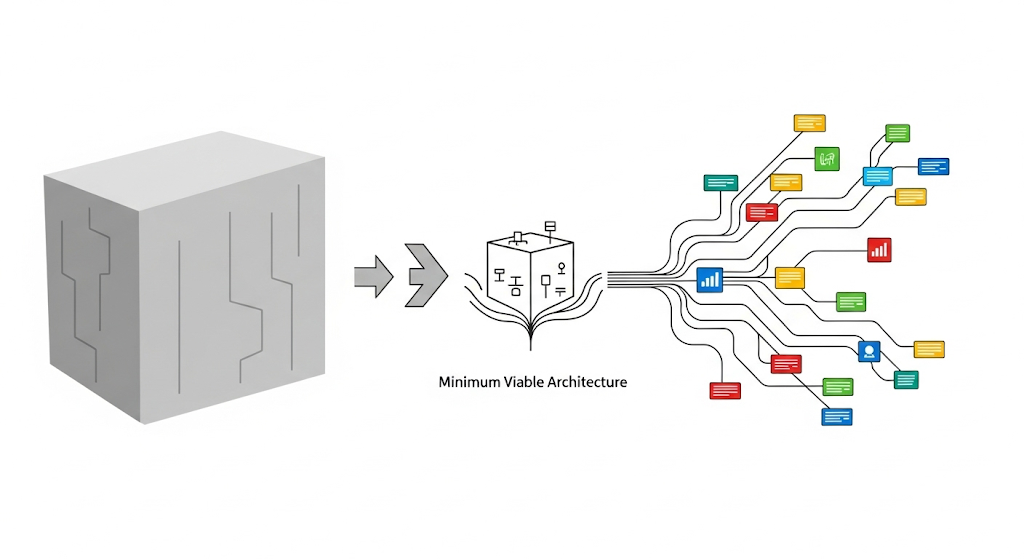
Minimum Viable Architecture, Randy Shoup, YOW! 2022

Diagram: a monolith on the left evolving into a small Minimum Viable Architecture core with many services connected to it

In the world of software engineering, there's a tempting desire to build the perfect, infinitely scalable architecture from day one. However, as veteran architect Randy Shoup explains in his talk at YOW! 2022, this is often a path to failure. The key takeaway is that architecture is not a static blueprint; it's an evolutionary journey that must align with the changing needs of the business. There is no one-size-fits-all solution.

Is SaaS Dead?, Here's a Senior Engineer's Perspective

Server racks in a data center

"SaaS is dead" became a talking point after Microsoft CEO Satya Nadella used the phrase on the BG2 podcast in December 2024: if AI agents can take over the interface and the work, what is left of a subscription application? In his video, senior engineer Arjan from the ArjanCodes channel argues the opposite for a large part of the market — that the value of many SaaS products sits in work that has nothing to do with the code. This post summarises his argument and adds the figures and documents it leans on.

Software Architecture, The Hard Parts - Neal Ford

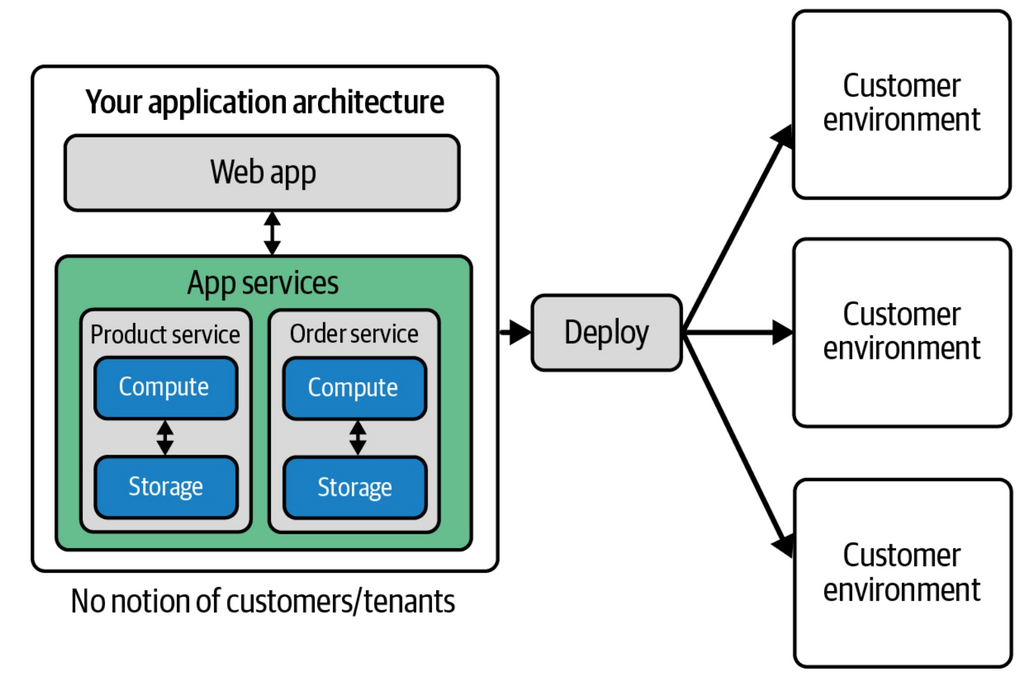
A traditional, non-SaaS application architecture

The Architect's Dilemma: A World of Awful Tradeoffs

In his insightful talk, "Software Architecture: The Hard Parts," Neal Ford delves into the core challenges that make the role of a software architect so demanding. The central theme is that there are no easy answers or perfect solutions in architecture; every decision is a complex tradeoff. This talk aims to illuminate these difficult areas and provide frameworks for navigating them more effectively.

Chat control: the EU proposal to scan messages for abuse material

The hemicycle of the European Parliament in Brussels, with the EU flag and the flags of the member states behind the podium

On 11 May 2022, the European Commission presented a regulation to tackle child sexual abuse material online (COM(2022) 209). The proposal obliges online services to map out risks, gives authorities the power to have material removed or blocked, and sets up a European centre for coordination and victim support. Its most debated part are the detection orders: mandatory detection of abuse material in communications. Member states and the European Parliament do not yet agree on whether that power should exist, and with which safeguards.

We are AI

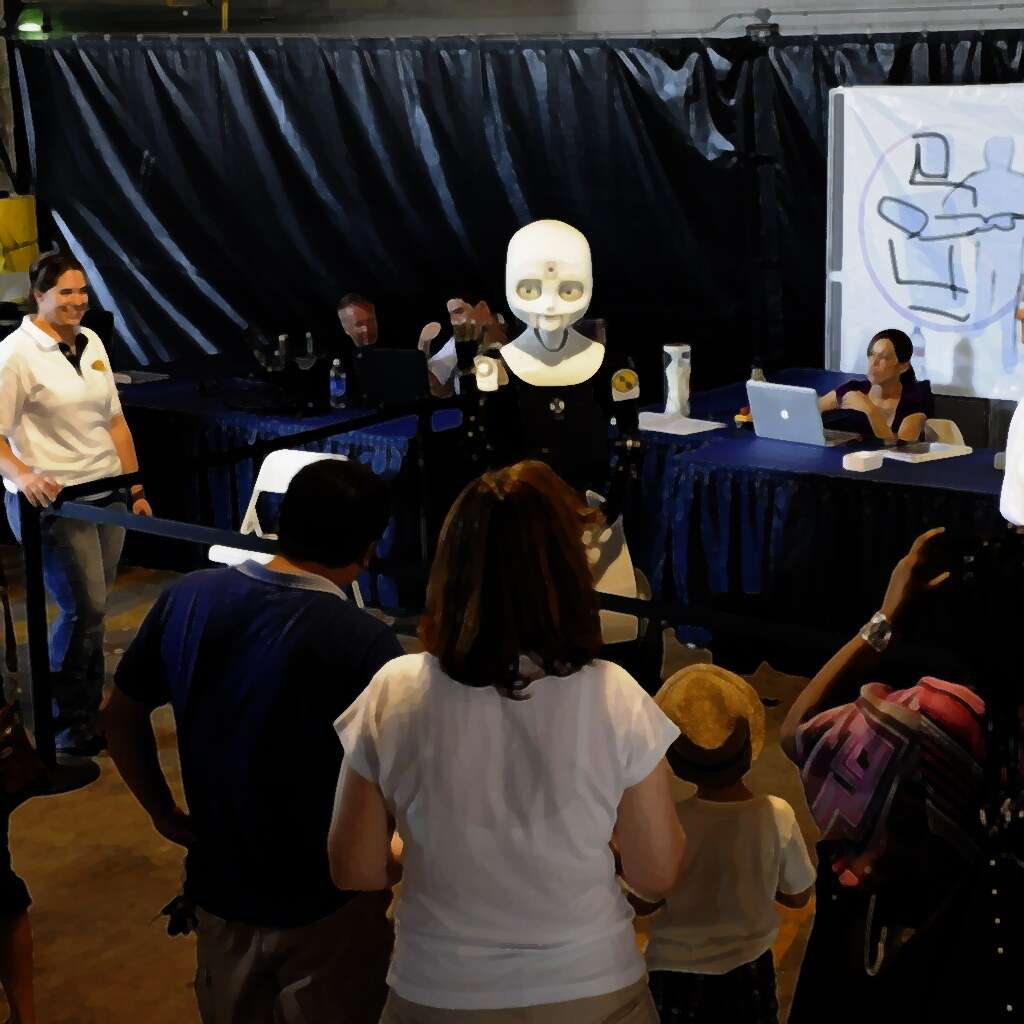
Working with the robot Octavia during a technology demonstration at the Pentagon

The concept of Artificial Intelligence (AI) is in an important sense a reflection of the choices humans make: systems are trained on material people produced, and they are optimised for goals people set. That inheritance shows up in measurable ways — in who a model gets wrong, and in what it asserts with complete confidence.