Skip to content

Technology

It's Happening: Europe Is Building an Impossible Fusion Reactor
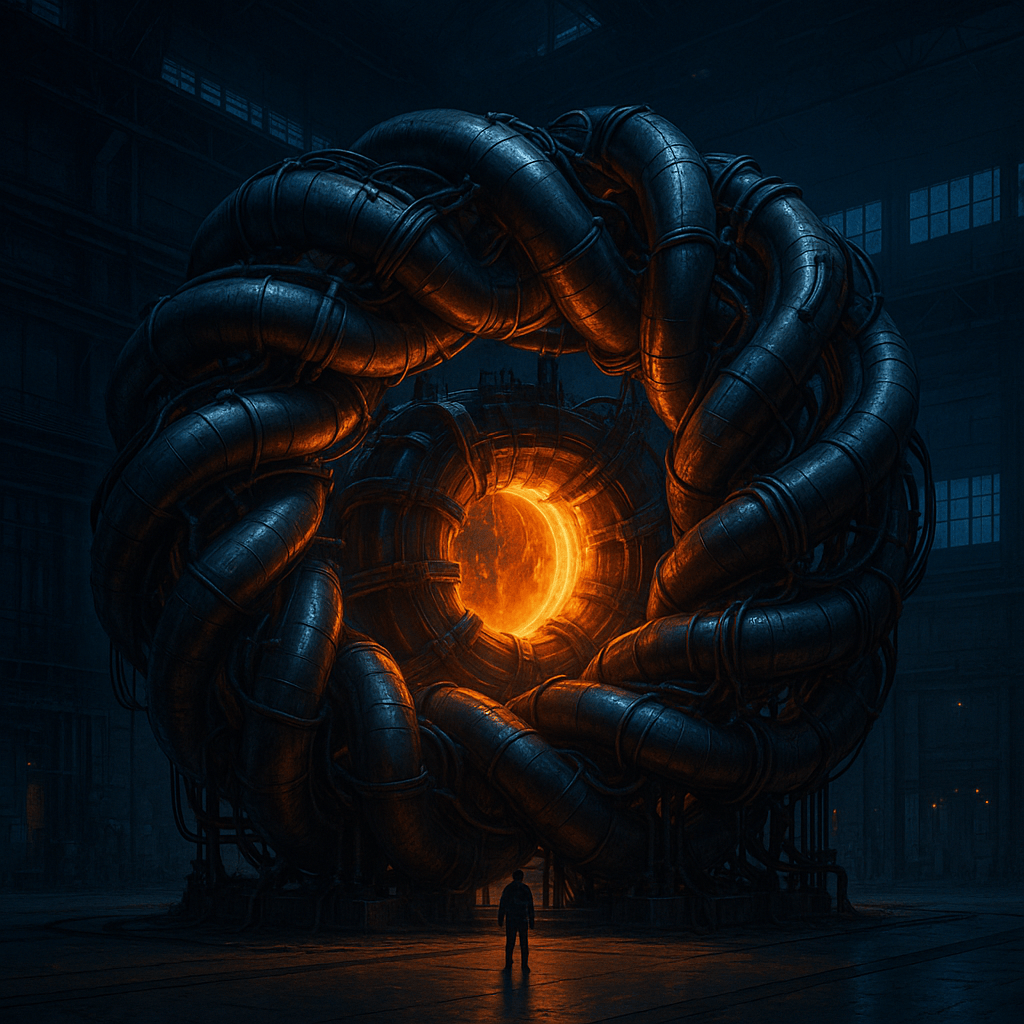
Illustration: a person standing before a huge machine of coiled pipes around a glowing orange core

For fifty years the tokamak — the classic donut-shaped reactor — has dominated fusion research. Now a Munich startup called Proxima Fusion, spun out of the Max Planck Institute and freshly funded with €411 million including checks from Google and energy giant RWE, is betting everything on the shape the field walked away from half a century ago: the stellarator, a twisted "donut" so absurdly complicated it was long believed impossible to build. This is the story of why fusion is so hard, why the tokamak has a fatal flaw, and how Europe's most ambitious energy bet plans to build the first stellarator power plant in history.
TaskDaemon-4 and the Impossible Appointment

Illustration: a glowing wireframe cube in blue and cyan against a dark background

The assignment given to TaskDaemon-4 was deceptively simple: find a free time slot with the specialist within forty-eight hours. A scheduling task. The kind of task the Daemon series had been built to swallow whole — parse the calendars, run the matching, book the slot, log the success. TaskDaemon-4 estimated the whole job at eleven seconds of compute and ninety-two lines of routine.

It would be wrong about every part of that.

The Memory Price Surge: Why RAM and Storage Got So Expensive

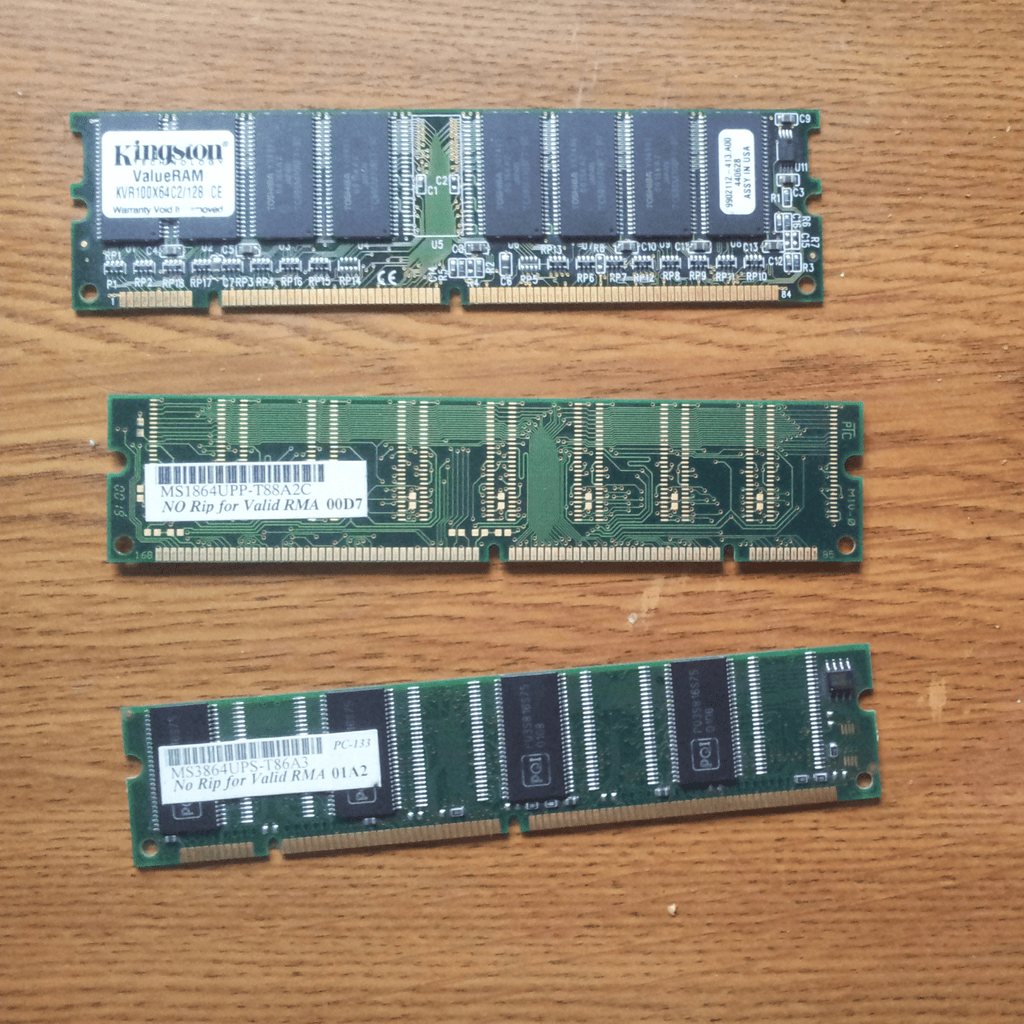
Three RAM memory modules lying on a wooden table

If you've shopped for RAM or a new SSD lately, you've probably felt a sting. The same 32 GB DDR5 kit that cost a comfortable amount a year ago now costs noticeably more, and that 2 TB NVMe drive you had your eye on keeps creeping up in price. This isn't your imagination or a supply chain blip — 2026 is witnessing one of the most dramatic memory price rallies in the industry's history, and it all traces back to one thing: AI.

Van Coder naar Architect/Builder

Video thumbnail

From "Coder" to "Conductor": How AI is Rewriting Software Development

Imagine sitting at your desk, but instead of staring at a blinking cursor and manually typing out lines of code, you feel more like an orchestra conductor. You aren't writing the notes anymore; you are guiding an entire crew of AI agents.

That is precisely the shift software creator Peter Steinberger highlights in his work. Rather than casual "vibe coding," he calls his approach agentic engineering. He barely writes code by hand anymore; instead, he designs systems, establishes the core architecture, and lets AI agents handle the boring plumbing work.

The Real Reason AI Is Going Back to the Terminal

Illustration: a laptop showing a terminal window, with the Anthropic, Google and OpenAI logos above it

In the space of six months in 2025, four major AI vendors shipped coding agents that run in the terminal: Anthropic's Claude Code (24 February), OpenAI's Codex CLI (16 April), Google's Gemini CLI (25 June) and Cursor's CLI (7 August, in beta). The tool that looked like a step backwards — a prompt in a shell instead of a chat window — is where these companies put their agentic coding effort. This post looks at what they actually shipped, what the terminal is used for in the design, and which parts of the "return to the terminal" story are documented rather than assumed.

Deep Dive Into Cleaning With Dry Ice

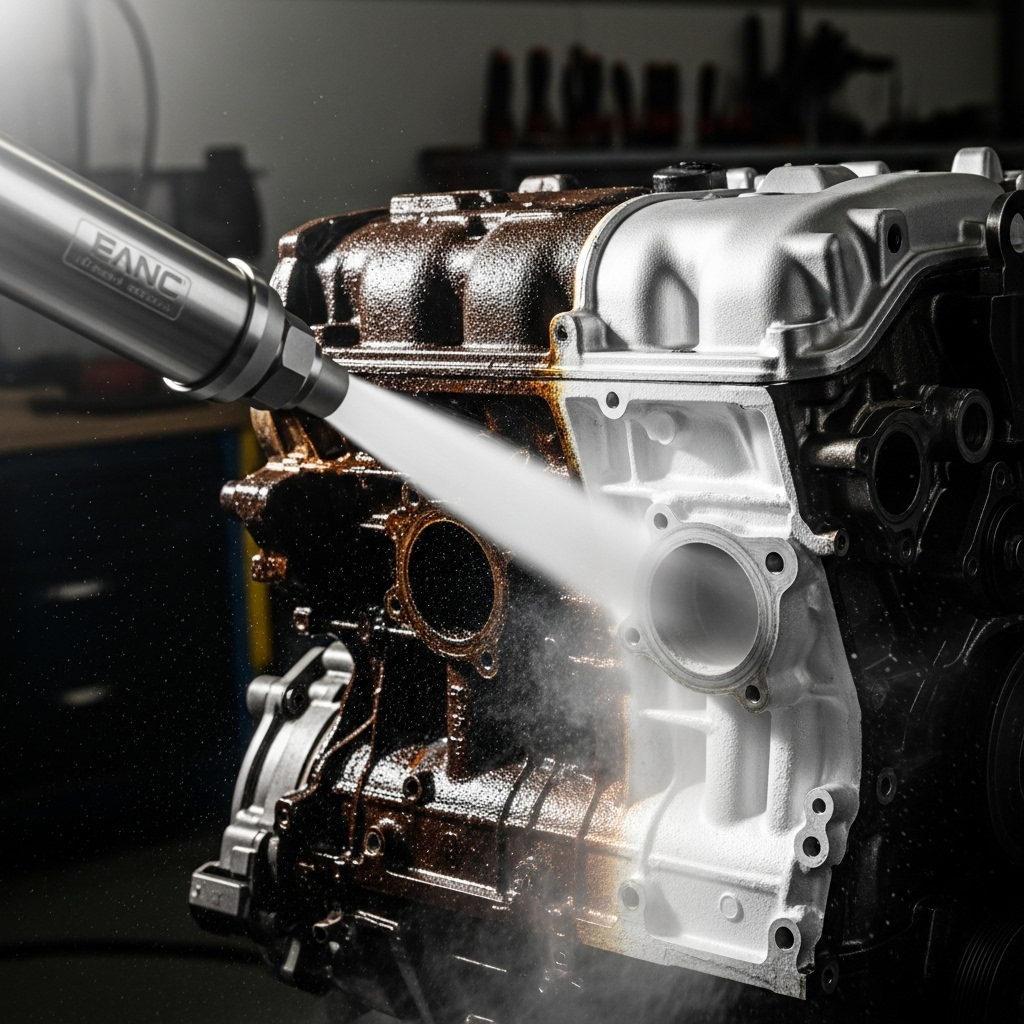
Illustration: a pressure washer cleaning a grimy engine block, one half clean and one half still covered in dirt

Ever wondered how to achieve an exceptionally deep clean, making surfaces look brand new without harsh chemicals or abrasive scrubbing? This video takes a fascinating "Deep Dive Into Cleaning With Dry Ice," exploring the powerful and efficient world of dry ice blasting using Kärcher and Dry Ice Energy machines. Whether you're a seasoned professional in automotive detailing or industrial cleaning, or simply curious about advanced cleaning techniques, this guide provides a comprehensive overview of everything you need to know.

What if sailing had no rules?

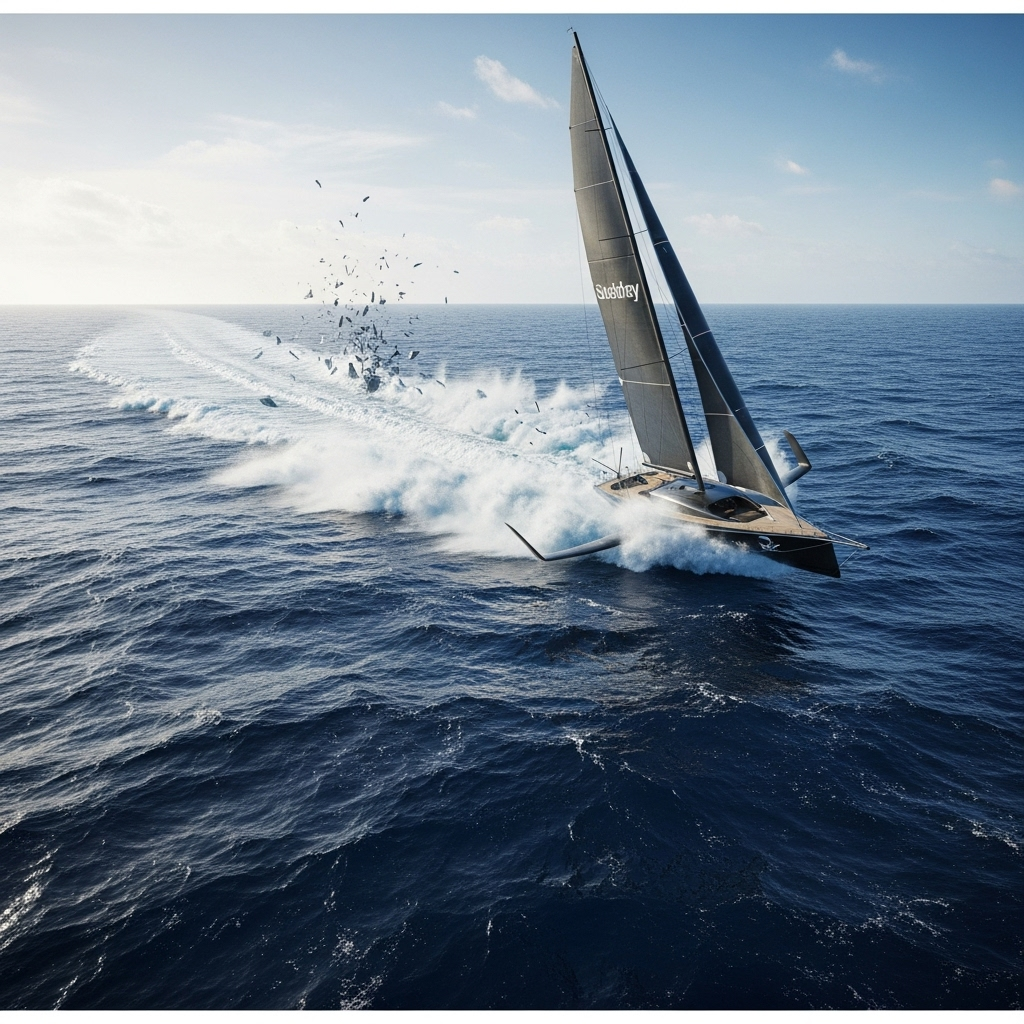
Illustration: a racing sailboat at speed with debris flying behind it

Ever wondered what happens when you push the boundaries of sailing, throwing conventional rules out the window? This fascinating journey delves deep into the exhilarating world of marine engineering, exploring how sailors and engineers have continuously strived to conquer the waves, often against the very laws of physics. From the basic concept of "hull speed" to the cutting-edge designs of modern racing yachts, this video reveals the relentless pursuit of speed on water.

Why Tech Platforms Intentionally Work Worse, The Enshittification Phenomenon

Illustration: a monitor with floating social-media app icons and notification cards, while a hand reaches towards the screen Ever wondered why your favorite tech platforms, once sleek and user-friendly, now feel bogged down with an endless stream of ads and questionable content? You're not alone! This VPRO Tegenlicht documentary dives deep into a phenomenon aptly termed "Enshittification" by American activist and writer Cory Doctorow. It explains how platforms like Google, Instagram, and YouTube are deliberately degrading their services, filling search results with ads and scams, and prioritizing revenue over user experience.
C4 models as code, Simon Brown, NDC Oslo 2023

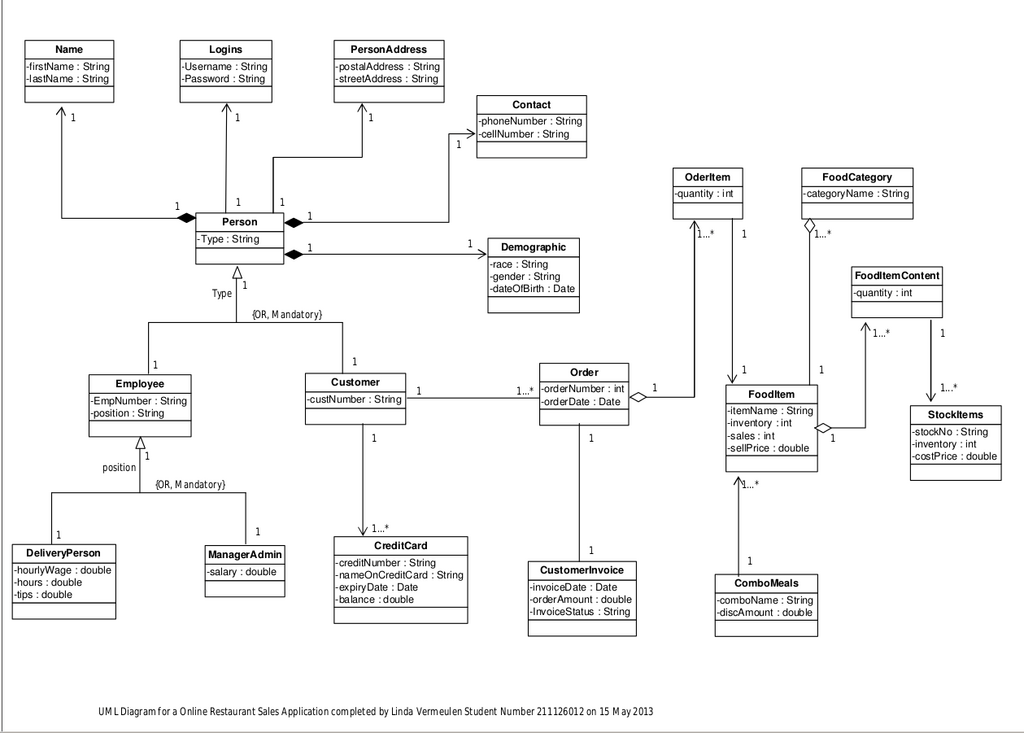
UML class diagram example

The Agony of Outdated Architecture Diagrams

We've all been there. You're trying to understand a complex system, and you finally hunt down the architecture diagrams, only to be hit with a soul-crushing realization: they haven't been updated since the project's kickoff. The diagrams show a pristine monolith, but you know for a fact that the reality is a sprawling jungle of microservices, serverless functions, and cryptic third-party integrations. The documentation lies, and the "source of truth" is now just a source of confusion.

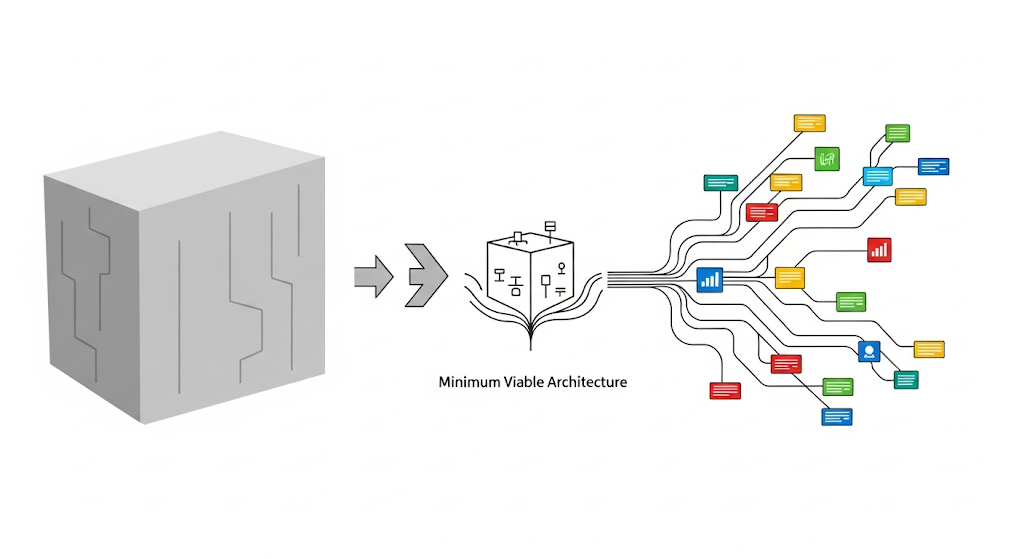
Minimum Viable Architecture, Randy Shoup, YOW! 2022

Diagram: a monolith on the left evolving into a small Minimum Viable Architecture core with many services connected to it

In the world of software engineering, there's a tempting desire to build the perfect, infinitely scalable architecture from day one. However, as veteran architect Randy Shoup explains in his talk at YOW! 2022, this is often a path to failure. The key takeaway is that architecture is not a static blueprint; it's an evolutionary journey that must align with the changing needs of the business. There is no one-size-fits-all solution.