Skip to content

Eelco van Bommel

Why Vultures Matter: Nature's Overlooked Sanitation Service
Pixelated illustration of a vulture in flight

Vultures are among the most misunderstood animals on Earth — and among the most important. They are nature's sanitation service: the birds that turn a carcass into clean ground, removing bacteria and pathogens before they get a chance to spread. Their work is worth billions and, as the collapse of vultures in India showed, losing them can cost human lives. Yet across much of the world, these scavengers are quietly vanishing.

8 Evidence-Based Ways to Influence Your Metabolism

Pixelated photograph of fresh vegetables

Your metabolism is the sum of the biochemical processes by which your body turns food into energy. The common belief that slim people automatically have a "faster" burn than people with overweight is a myth: a heavier body needs more energy to function and has an absolutely higher resting calorie expenditure. Weight regulation comes down to total energy balance. So to understand how to influence what you burn, you first need to know what your Total Daily Energy Expenditure (TDEE) is made of.

Systems Thinking: Why Patterns Are So Hard to See — and What to Do About It

Abstract pixelated spider web, a metaphor for interwoven patterns

Anyone who has tried to fix a stubborly persistent problem has probably felt it: you push on one part, and the whole thing pushes back. You solve a bottleneck, and a worse one appears elsewhere. The pattern you are looking for stays frustratingly out of reach. This is the terrain of systems thinking — yet even when we know the discipline exists, actually spotting the patterns is remarkably difficult. To understand why, it helps to look at both how systems behave and how our own minds are wired.

Enterprise Design with EDGY: A Common Language for the Whole Organisation

Abstract pixelated architecture, inspired by EDGY's design facets

Most organisations are designed in silos. The user experience team and the process architect speak different languages; the executive can't relate to the strategic product roadmap; the organisation designer can't see the impact of that tangled application architecture. The result is a fragmented enterprise with a fragmented design. EDGY is an open-source response to exactly that problem: a simple, graphical language that lets designers, architects and change-makers co-design the enterprise as a coherent whole.

Singapore's Biological Data Center: 16 Million Living Neurons at Work

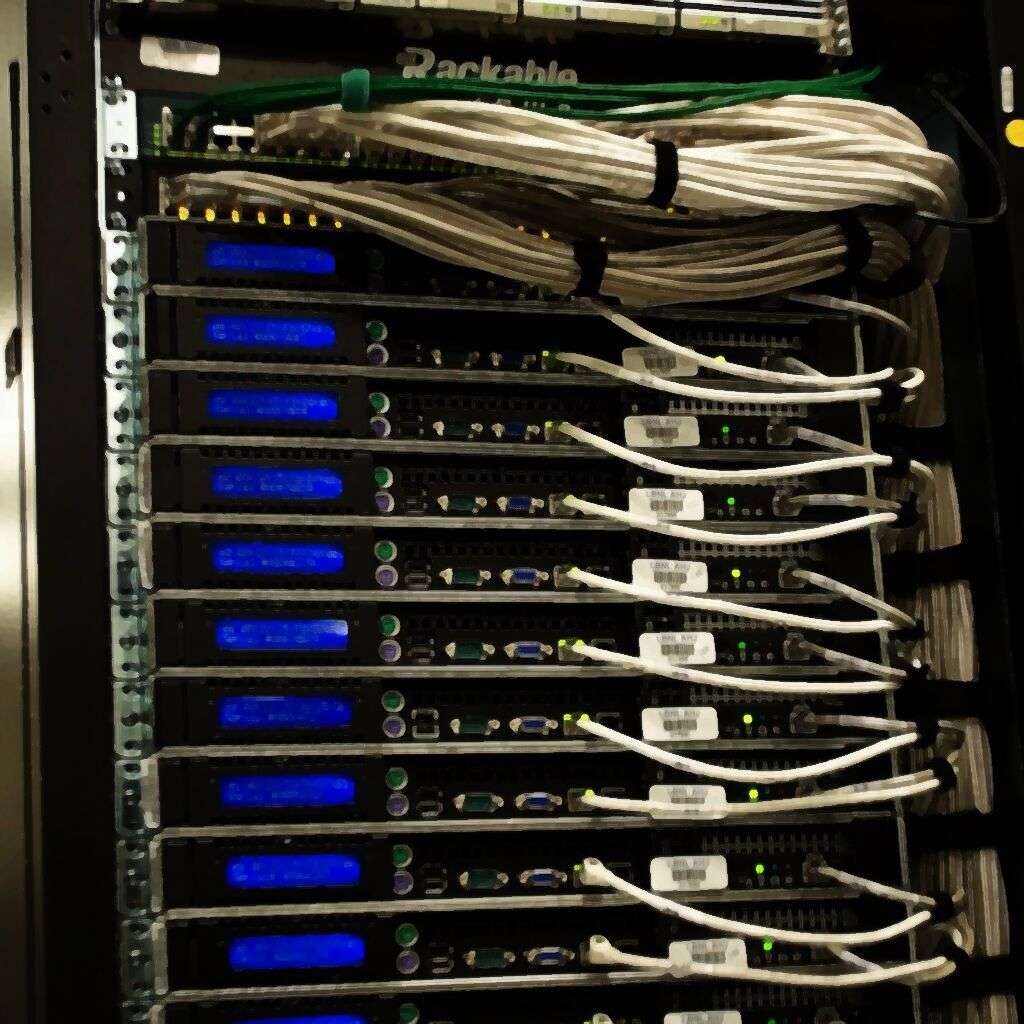
Painterly detail of a data center server rack In Singapore, researchers have switched on a data center that runs on a different kind of silicon substitute: living human brain cells. The prototype, built at the NUS Life Sciences Institute by the Yong Loo Lin School of Medicine (NUS Medicine) together with global data center developer and operator DayOne and Melbourne-based biological computing startup Cortical Labs, packs roughly 16 million living human neurons into a single server rack — the world's first independently operated biologically integrated rack.
Birds Are the Only Surviving Dinosaurs: Steve Brusatte's 'The Story of Birds'

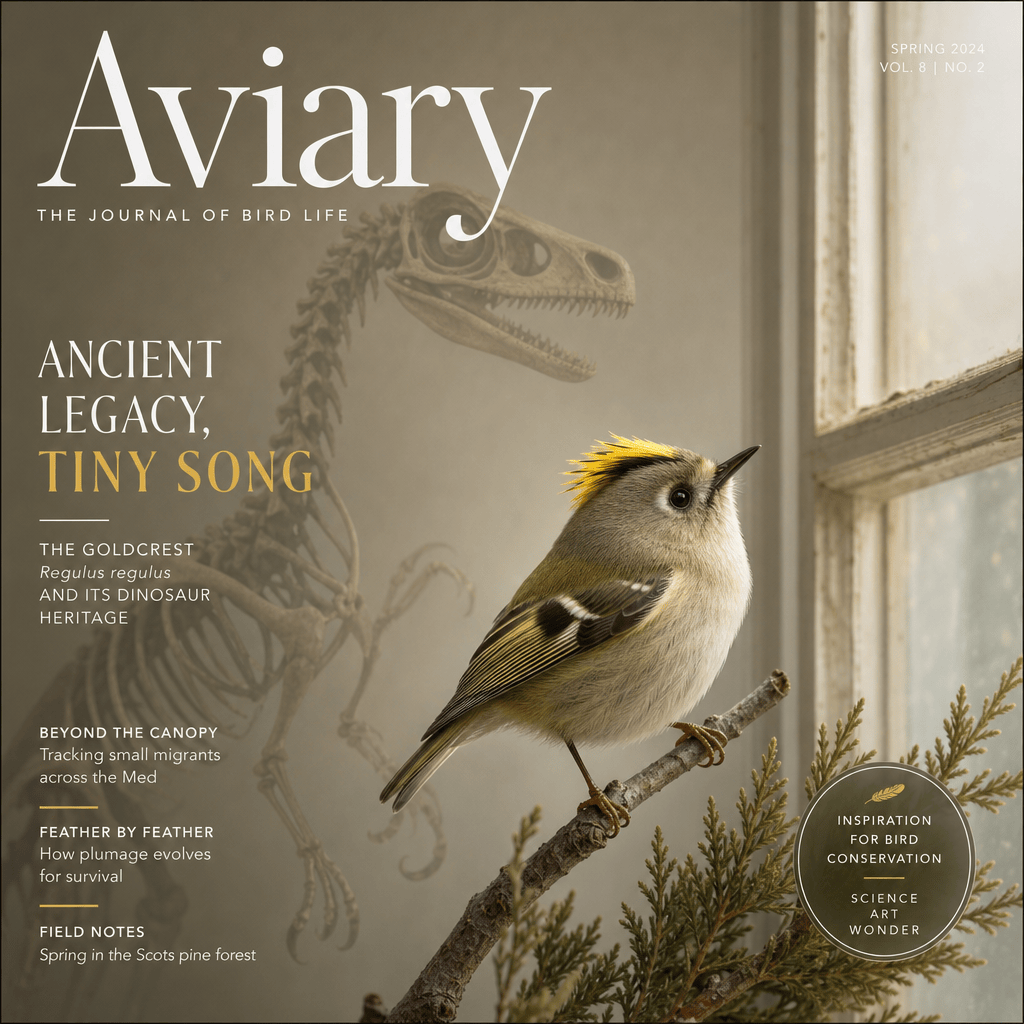
A goldcrest with a faint dinosaur silhouette

When a gull dive-bombs your picnic, paleontologist Steve Brusatte sees more than a bird thief: he sees a small dinosaur with unmistakable velociraptor attitude. In this New Scientist interview, the author of the new book The Story of Birds makes a bold claim — birds aren't just descended from dinosaurs, they are dinosaurs, the only branch that survived the asteroid.

Fault Lines in American Power: From Reproductive Battles to Institutional Leverage

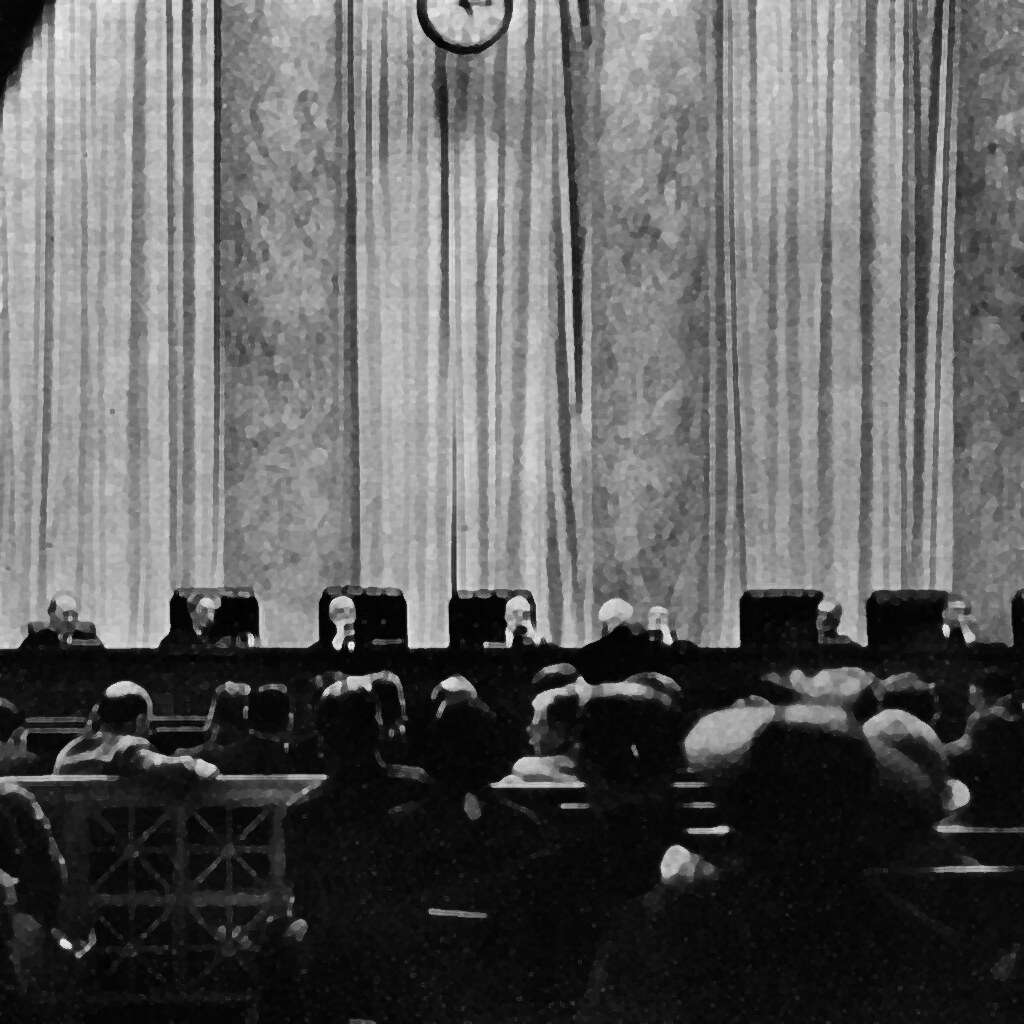
Interior of the Supreme Court Building during a session, June 7, 1937

The United States is operating in an increasingly decentralized reality, where the divide between state autonomy and federal oversight keeps widening. Where federal institutions once established broad national baselines, it is now localized legislation, political violence, and executive instruments that steer the country's trajectory. Across reproductive rights, partisan violence, electoral restructuring, and federal enforcement, the same pattern repeats: power is dispersing downward and inward, becoming more local, more confrontational, and progressively harder to reverse from a single national center.

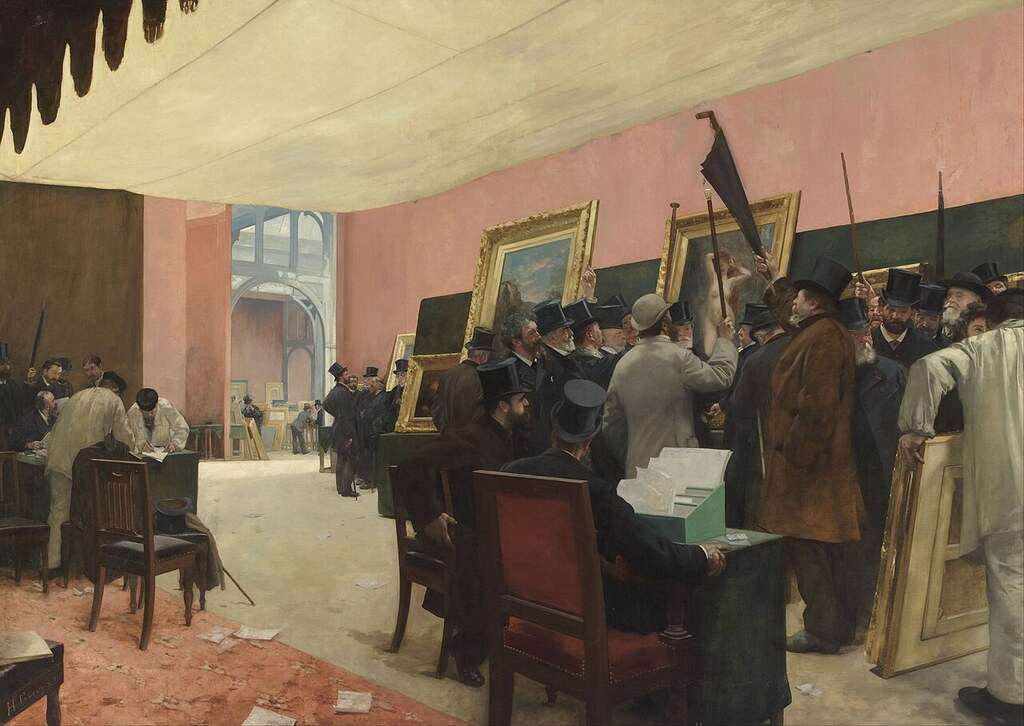
Four Phases of the Parisian Art Ecosystem: From Royal Academy to Global Art Fair

A Session of the Painting Jury by Henri Gervex

For the better part of three centuries, Paris was the art capital of the Western world. But the ecosystem that made it so — the network of academies, juries, dealers, critics, collectors and exhibition spaces that decides who gets seen and who gets paid — was never static. It went through four distinct phases, each defined by a different gatekeeper: the royal court, the official Salon jury, the private art dealer, and finally the global market of fairs and mega-galleries. Tracing those phases explains not just how Paris became the home of modern art, but why it lost that crown — and why it is fighting for it again.

The Same Height Party: Where Everyone Meets at Eye Level

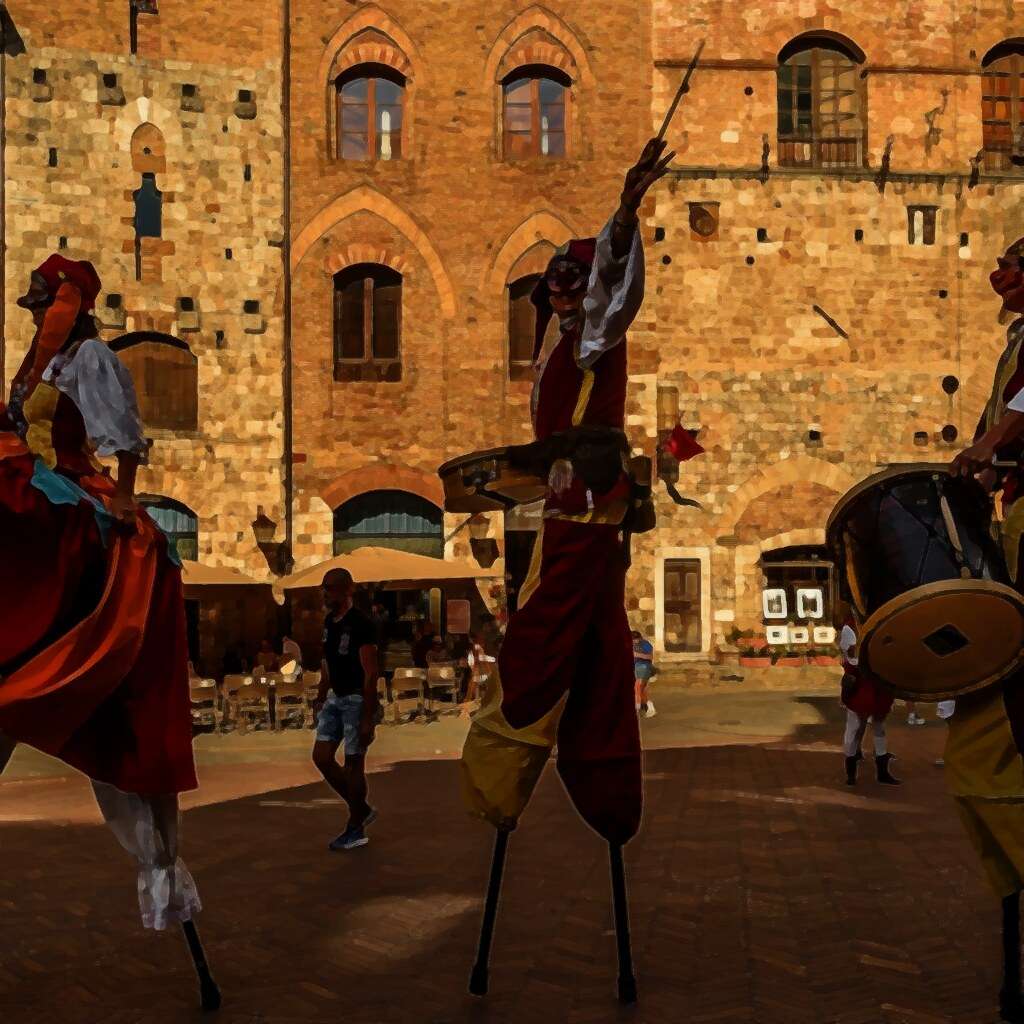
Stilt walkers in front of Torre Chigi and Palazzo del Podestà, San Gimignano, Italy

Imagine a party where every single guest is exactly the same height — not because they happened to be born that way, but because the host built them shoes. That is the "same height party": a simple, slightly crazy idea that everyone in the room, no matter their actual height, meets at eye level. CNN brought the concept to a wide audience in May 2026 after an Oakland host turned it into a wearable social experiment with about fifteen guests — and the results were as much about psychology as about engineering.

Tivoli Gardens: The Perfect Centerpiece for a Small Copenhagen Trip

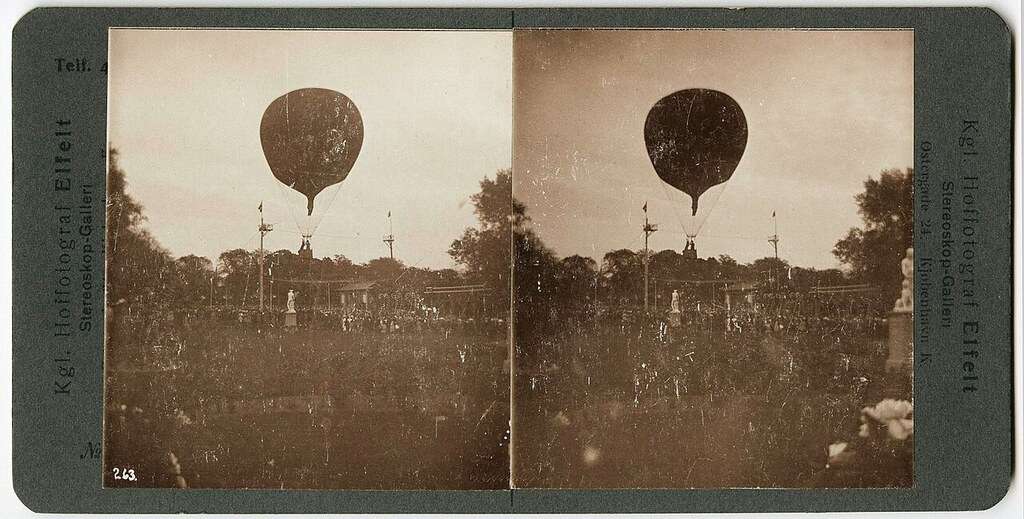
Historic view of Tivoli Gardens around 1900

If you are planning a small trip — a long weekend, a city break with a difference — Tivoli Gardens in Copenhagen is hard to beat as a centerpiece. The park opened on 15 August 1843, making it the second-oldest operating amusement park in the world, and with 4.25 million visitors in 2024 it is the most visited amusement park in Scandinavia. It sits right next to Copenhagen Central Station, which makes it a perfect anchor for a short stay: you can be inside one of Europe's most charming historical playgrounds within minutes of stepping off the train.