Skip to content

Economics

Huizenmarkt op slot: 'iemand moet de prijs betalen' | Jona van Loenen

Illustratie: twee jongeren op een dak met bankbiljetten in hun handen, terwijl achter de gebouwen een veel groter figuur in pak oprijst In aflevering #2010 van De Nieuwe Wereld praat econoom en columnist Jona van Loenen met Jelle van Baardewijk over de Nederlandse woningmarkt. Zijn stelling is dat het tekort aan huizen de prijzen niet opdrijft, maar de hoeveelheid geld die een koper kan lenen of meeneemt. Die bewering staat naast het beleidsmotto van het afgelopen decennium, bouwen, bouwen, bouwen, en ze gaat gepaard met voorstellen die de kosten naar woningbezitters verschuiven.

Military spending and the future of Europe, #2006 Lex Hoogduin, Paul Buitink, Kees de Kort

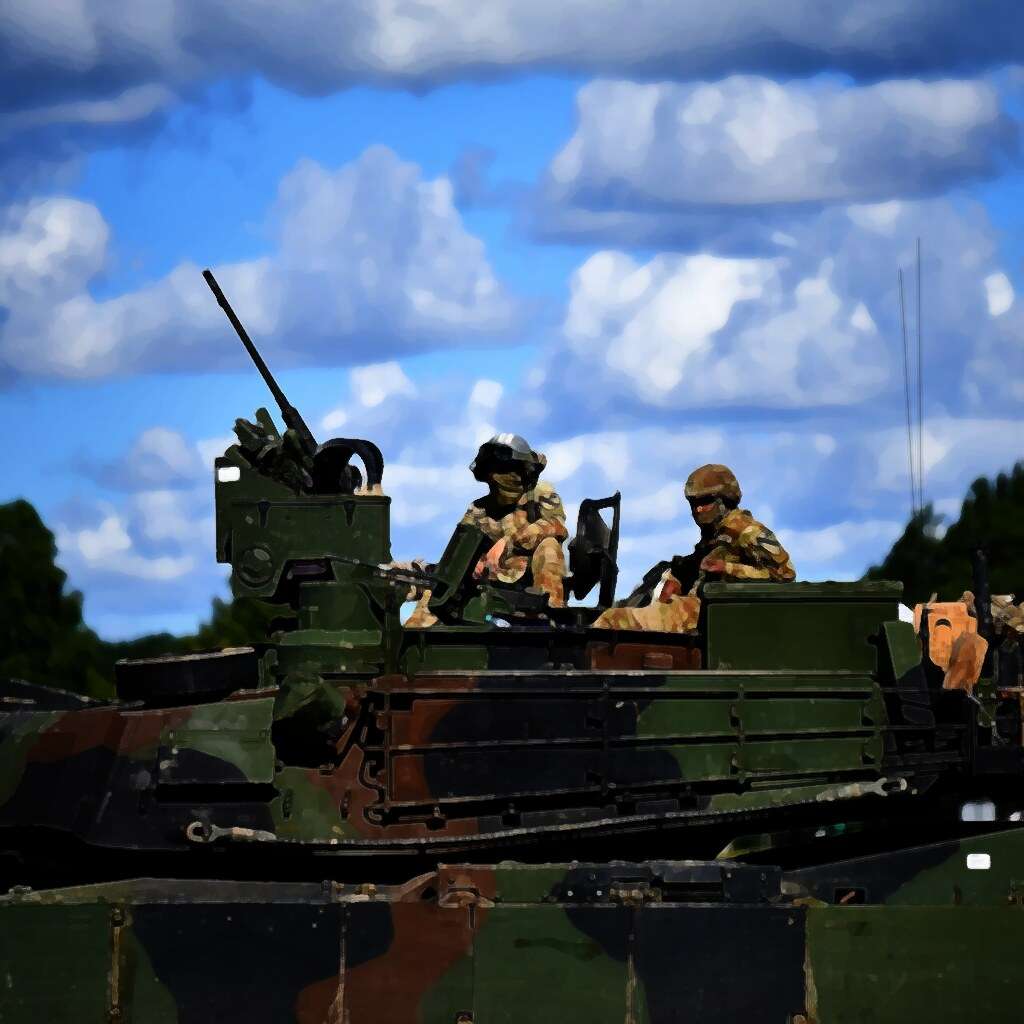
Two soldiers on top of a camouflaged armoured vehicle during a military exercise, with forest and a blue sky behind them

In a recent discussion on De Nieuwe Wereld TV, hosted by Ad Verbrugge, economists Lex Hoogduin, Paul Buitink and Kees de Kort addressed some of the most pressing questions of the moment. The focus was on increased military spending, the state of Europe's economy, the future of the euro and the contours of a new financial and economic world order.

Is SaaS Dead?, Here's a Senior Engineer's Perspective

Server racks in a data center

"SaaS is dead" became a talking point after Microsoft CEO Satya Nadella used the phrase on the BG2 podcast in December 2024: if AI agents can take over the interface and the work, what is left of a subscription application? In his video, senior engineer Arjan from the ArjanCodes channel argues the opposite for a large part of the market — that the value of many SaaS products sits in work that has nothing to do with the code. This post summarises his argument and adds the figures and documents it leans on.

Import tariffs

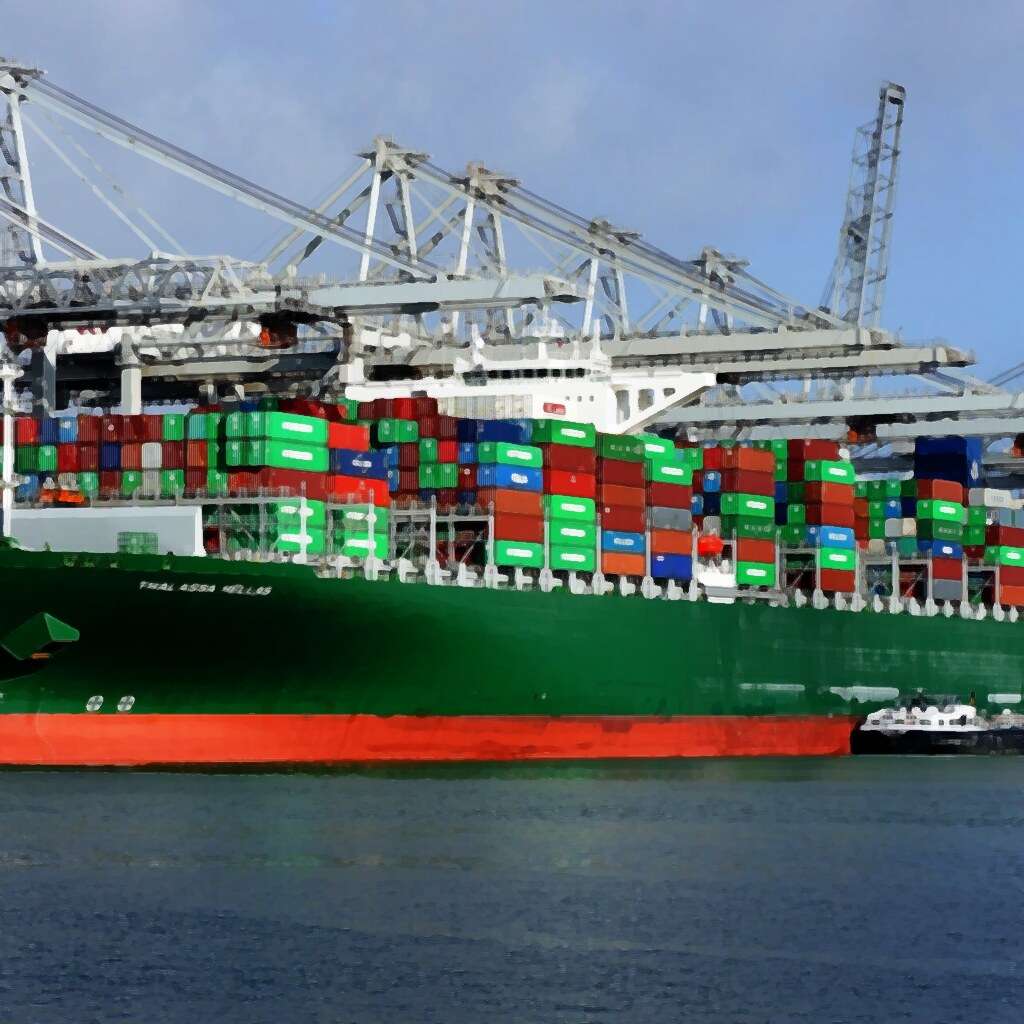
Container ship in the Amazonehaven, Port of Rotterdam

An import tariff is a tax levied on goods entering a country. It's essentially an additional cost added to the price of the imported product.

How does an import tariff work?

Imagine a Dutch company imports shoes from China. The Dutch government might decide to impose an import tariff of, for example, 10% on shoes. This means that for every shoe the Dutch company imports, they have to pay an extra 10% of the shoe's value to the Dutch government.

Updates van ABN-risicomodellen vertraagd

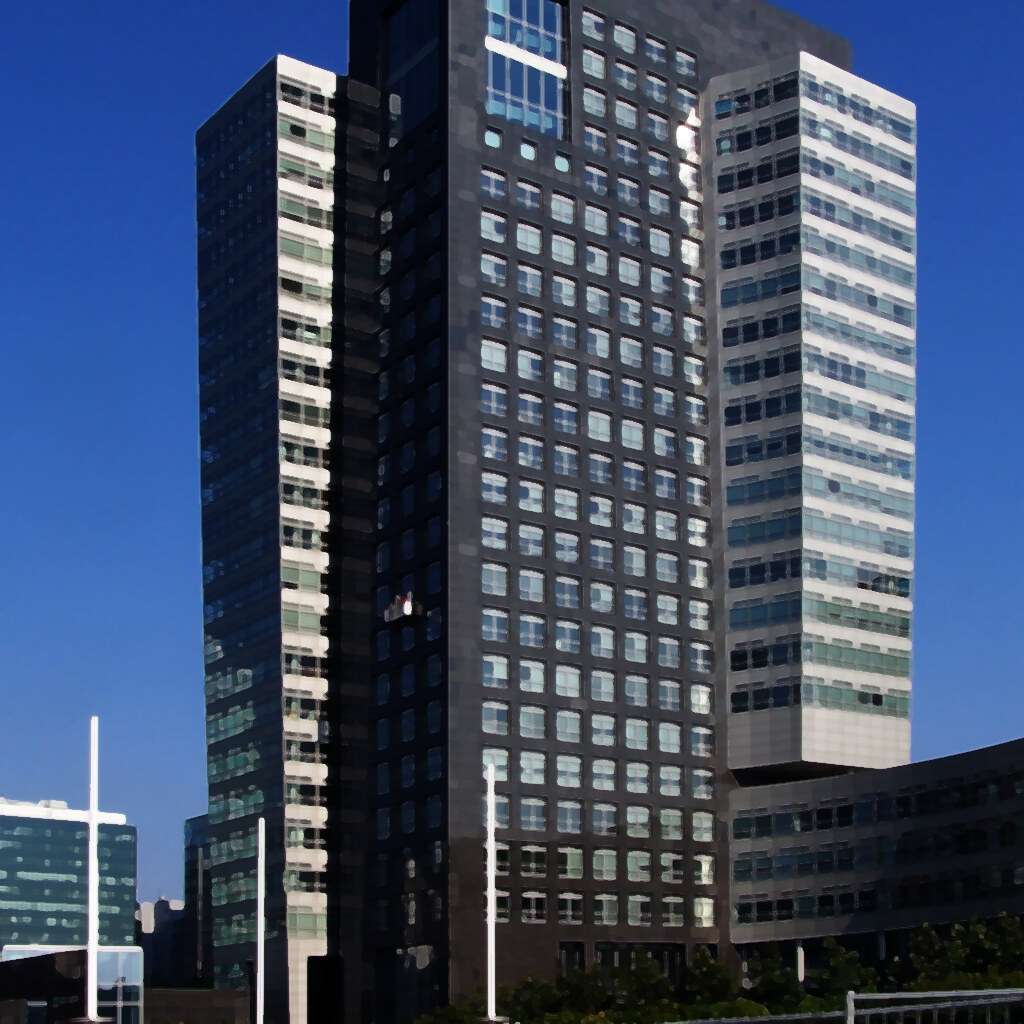
Het hoofdkantoor van ABN AMRO in de Zuidas, Amsterdam

ABN Amro heeft de verbetering van zijn risicomodellen uitgesteld. Daardoor houdt de bank op dit moment meer kapitaal aan dan nodig is. De vertraging schuift ook de beslissing over de aandeleninkoop op tot halverwege 2025. De bank worstelt al langer met de kwaliteit van haar risicomodellen en data, die niet volledig voldoen aan de eisen van de toezichthouder.