Skip to content

SocietyΒΆ

Why Tech Platforms Intentionally Work Worse, The Enshittification Phenomenon

Illustration: a monitor with floating social-media app icons and notification cards, while a hand reaches towards the screen Ever wondered why your favorite tech platforms, once sleek and user-friendly, now feel bogged down with an endless stream of ads and questionable content? You're not alone! This VPRO Tegenlicht documentary dives deep into a phenomenon aptly termed "Enshittification" by American activist and writer Cory Doctorow. It explains how platforms like Google, Instagram, and YouTube are deliberately degrading their services, filling search results with ads and scams, and prioritizing revenue over user experience.

Huizenmarkt op slot: 'iemand moet de prijs betalen' | Jona van Loenen

Illustratie: twee jongeren op een dak met bankbiljetten in hun handen, terwijl achter de gebouwen een veel groter figuur in pak oprijst In aflevering #2010 van De Nieuwe Wereld praat econoom en columnist Jona van Loenen met Jelle van Baardewijk over de Nederlandse woningmarkt. Zijn stelling is dat het tekort aan huizen de prijzen niet opdrijft, maar de hoeveelheid geld die een koper kan lenen of meeneemt. Die bewering staat naast het beleidsmotto van het afgelopen decennium, bouwen, bouwen, bouwen, en ze gaat gepaard met voorstellen die de kosten naar woningbezitters verschuiven.

Military spending and the future of Europe, #2006 Lex Hoogduin, Paul Buitink, Kees de Kort

Two soldiers on top of a camouflaged armoured vehicle during a military exercise, with forest and a blue sky behind them

In a recent discussion on De Nieuwe Wereld TV, hosted by Ad Verbrugge, economists Lex Hoogduin, Paul Buitink and Kees de Kort addressed some of the most pressing questions of the moment. The focus was on increased military spending, the state of Europe's economy, the future of the euro and the contours of a new financial and economic world order.

Chat control: the EU proposal to scan messages for abuse material

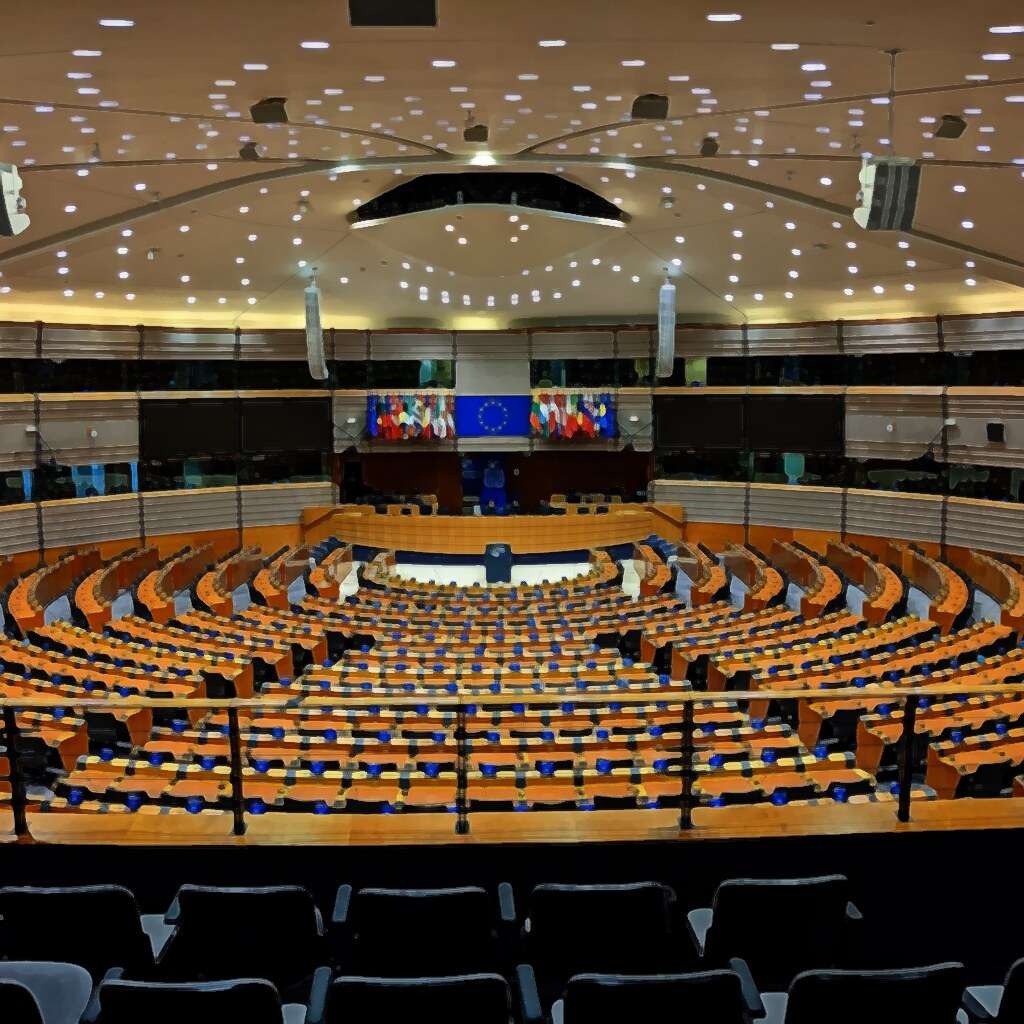
The hemicycle of the European Parliament in Brussels, with the EU flag and the flags of the member states behind the podium

On 11 May 2022, the European Commission presented a regulation to tackle child sexual abuse material online (COM(2022) 209). The proposal obliges online services to map out risks, gives authorities the power to have material removed or blocked, and sets up a European centre for coordination and victim support. Its most debated part are the detection orders: mandatory detection of abuse material in communications. Member states and the European Parliament do not yet agree on whether that power should exist, and with which safeguards.