Huis Bergh: Reopening of the Netherlands' Largest Water Castle
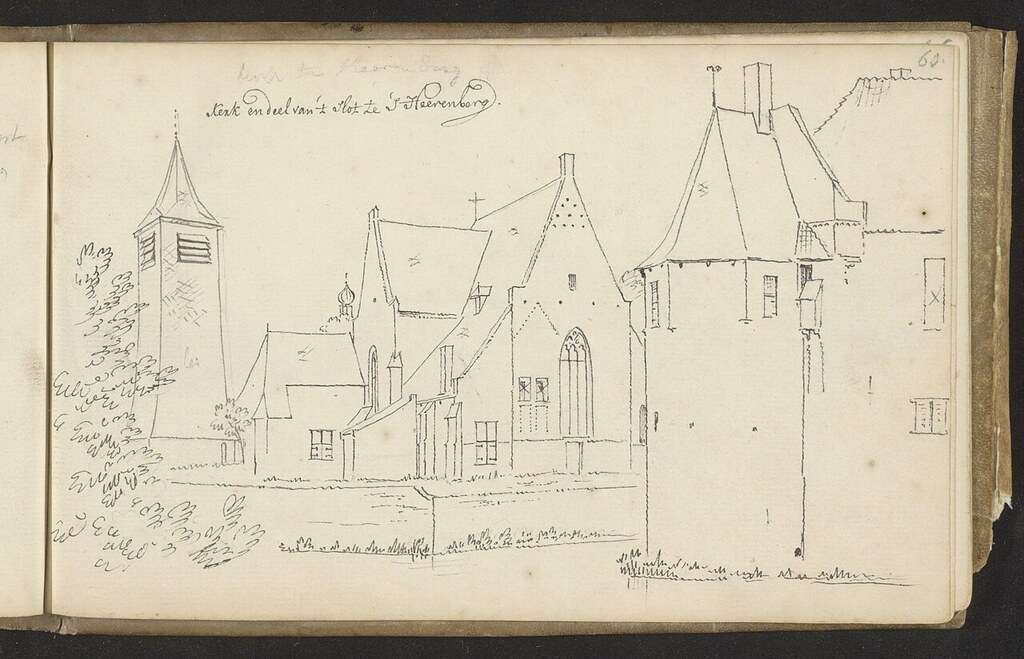
On Thursday 17 September 2026, King Willem-Alexander will reopen Kasteel Huis Bergh in 's-Heerenberg after a nearly three-year restoration, striking a commemorative coin with a historic screw press to mark the occasion. Two days later, on 19 September, the castle fully reopens to the public. For the Netherlands' largest water castle, with almost 900 years of history, it is the start of a new chapter.

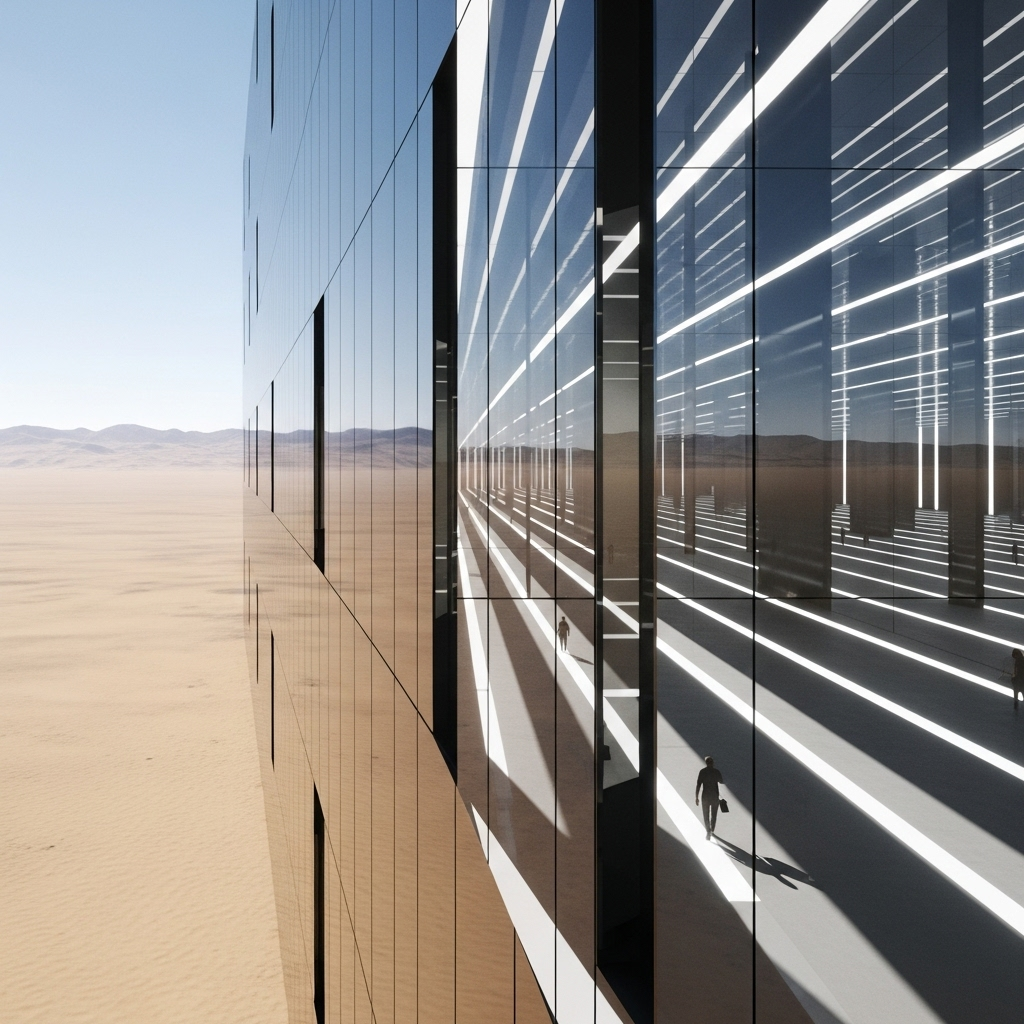 The Line is the centrepiece of Neom, the development region Saudi Arabia is building in its north-western desert: a mirrored structure presented in 2022 as 170 kilometres long, 200 metres wide and 500 metres high, designed to house nine million people without cars or roads, powered by renewables, with an official cost estimate of around $500 billion. This post summarises an architectural analysis of that design by Daniel Titchener (August 2025) and sets it against the reporting on what has actually been built and paid for since.
 Ever wondered why your favorite tech platforms, once sleek and user-friendly, now feel bogged down with an endless stream of ads and questionable content? You're not alone! This VPRO Tegenlicht documentary dives deep into a phenomenon aptly termed "Enshittification" by American activist and writer Cory Doctorow. It explains how platforms like Google, Instagram, and YouTube are deliberately degrading their services, filling search results with ads and scams, and prioritizing revenue over user experience.
 In episode #2010 of De Nieuwe Wereld, economist and columnist Jona van Loenen talks with Jelle van Baardewijk about the Dutch housing market. His position is that the shortage of houses is not what makes them expensive; the amount of money a buyer can borrow or bring along is. That claim sits next to the policy motto of the past decade — build, build, build — and it comes with proposals that would shift costs towards homeowners.