Skip to content

2026

Birds Are the Only Surviving Dinosaurs: Steve Brusatte's 'The Story of Birds'
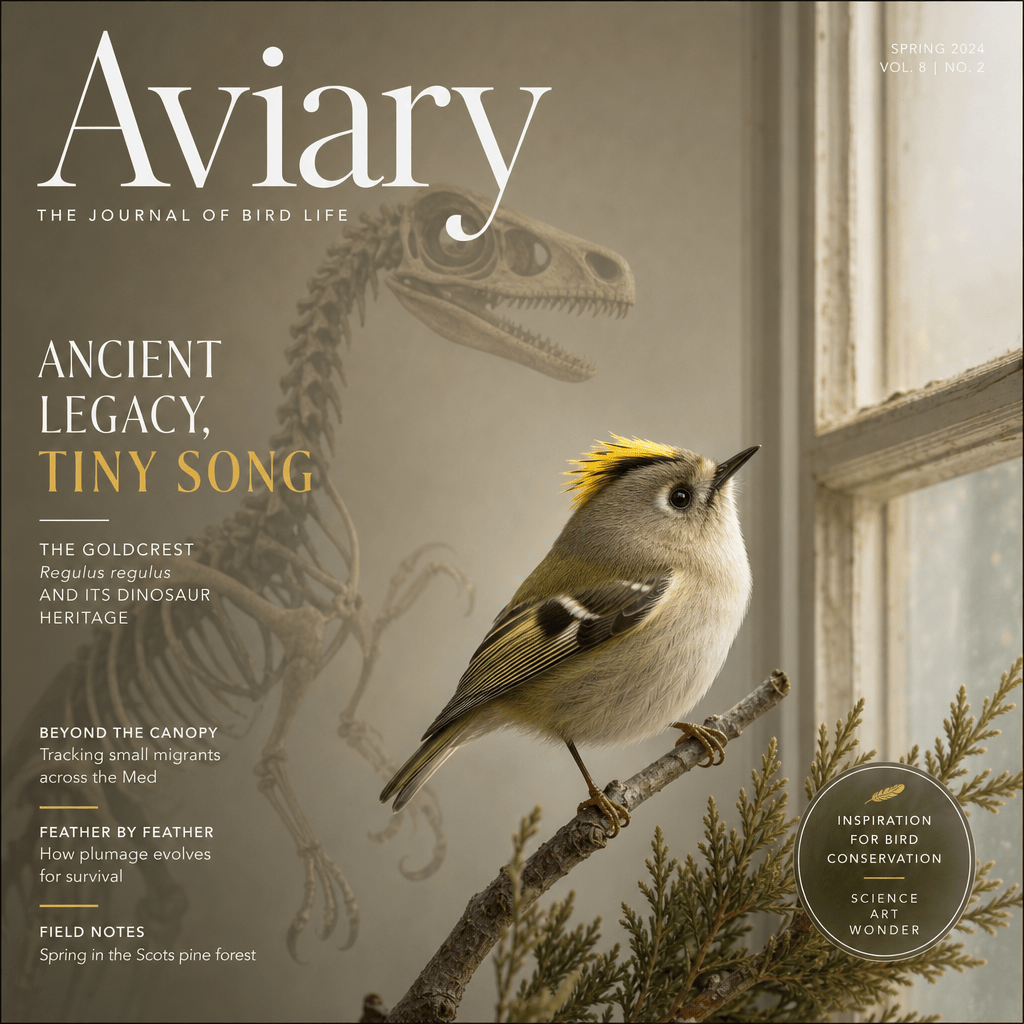
A goldcrest with a faint dinosaur silhouette

When a gull dive-bombs your picnic, paleontologist Steve Brusatte sees more than a bird thief: he sees a small dinosaur with unmistakable velociraptor attitude. In this New Scientist interview, the author of the new book The Story of Birds makes a bold claim — birds aren't just descended from dinosaurs, they are dinosaurs, the only branch that survived the asteroid.

Fault Lines in American Power: From Reproductive Battles to Institutional Leverage

Interior of the Supreme Court Building during a session, June 7, 1937

The United States is operating in an increasingly decentralized reality, where the divide between state autonomy and federal oversight keeps widening. Where federal institutions once established broad national baselines, it is now localized legislation, political violence, and executive instruments that steer the country's trajectory. Across reproductive rights, partisan violence, electoral restructuring, and federal enforcement, the same pattern repeats: power is dispersing downward and inward, becoming more local, more confrontational, and progressively harder to reverse from a single national center.

Four Phases of the Parisian Art Ecosystem: From Royal Academy to Global Art Fair

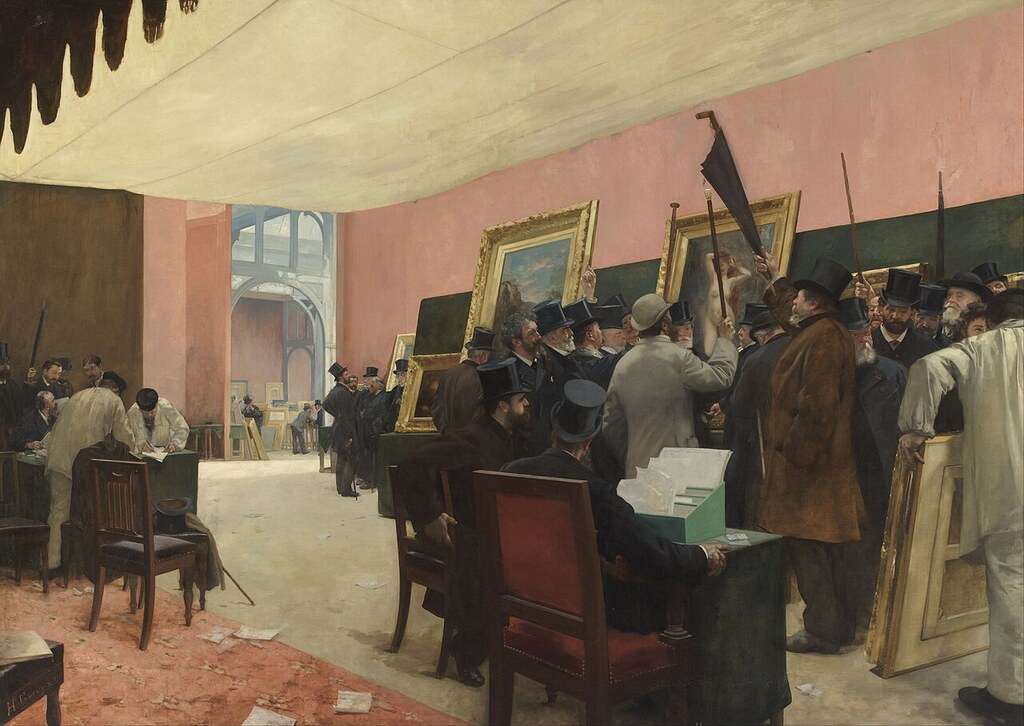
A Session of the Painting Jury by Henri Gervex

For the better part of three centuries, Paris was the art capital of the Western world. But the ecosystem that made it so — the network of academies, juries, dealers, critics, collectors and exhibition spaces that decides who gets seen and who gets paid — was never static. It went through four distinct phases, each defined by a different gatekeeper: the royal court, the official Salon jury, the private art dealer, and finally the global market of fairs and mega-galleries. Tracing those phases explains not just how Paris became the home of modern art, but why it lost that crown — and why it is fighting for it again.

The Same Height Party: Where Everyone Meets at Eye Level

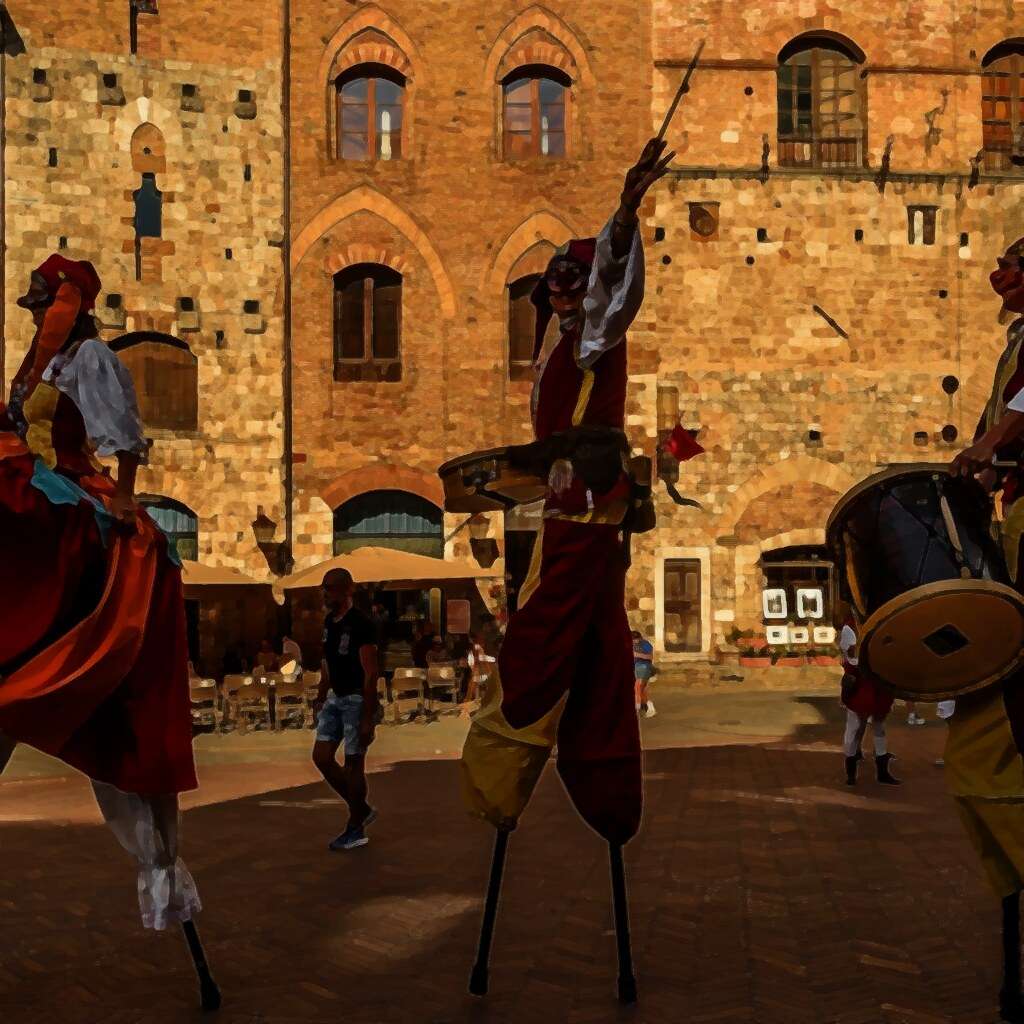
Stilt walkers in front of Torre Chigi and Palazzo del Podestà, San Gimignano, Italy

Imagine a party where every single guest is exactly the same height — not because they happened to be born that way, but because the host built them shoes. That is the "same height party": a simple, slightly crazy idea that everyone in the room, no matter their actual height, meets at eye level. CNN brought the concept to a wide audience in May 2026 after an Oakland host turned it into a wearable social experiment with about fifteen guests — and the results were as much about psychology as about engineering.

Tivoli Gardens: The Perfect Centerpiece for a Small Copenhagen Trip

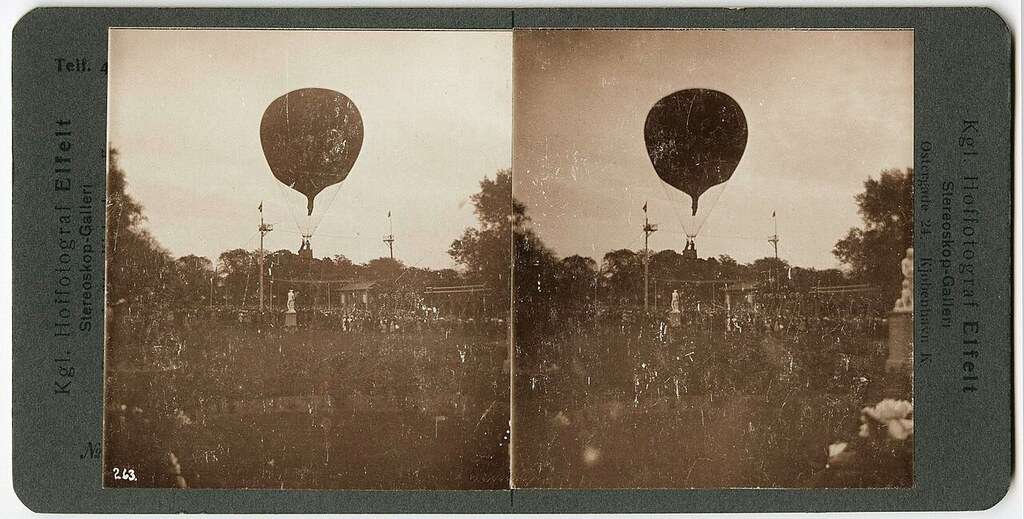
Historic view of Tivoli Gardens around 1900

If you are planning a small trip — a long weekend, a city break with a difference — Tivoli Gardens in Copenhagen is hard to beat as a centerpiece. The park opened on 15 August 1843, making it the second-oldest operating amusement park in the world, and with 4.25 million visitors in 2024 it is the most visited amusement park in Scandinavia. It sits right next to Copenhagen Central Station, which makes it a perfect anchor for a short stay: you can be inside one of Europe's most charming historical playgrounds within minutes of stepping off the train.

Baroeg Open Air 2026: twee dagen punk, metal en rave in Rotterdam

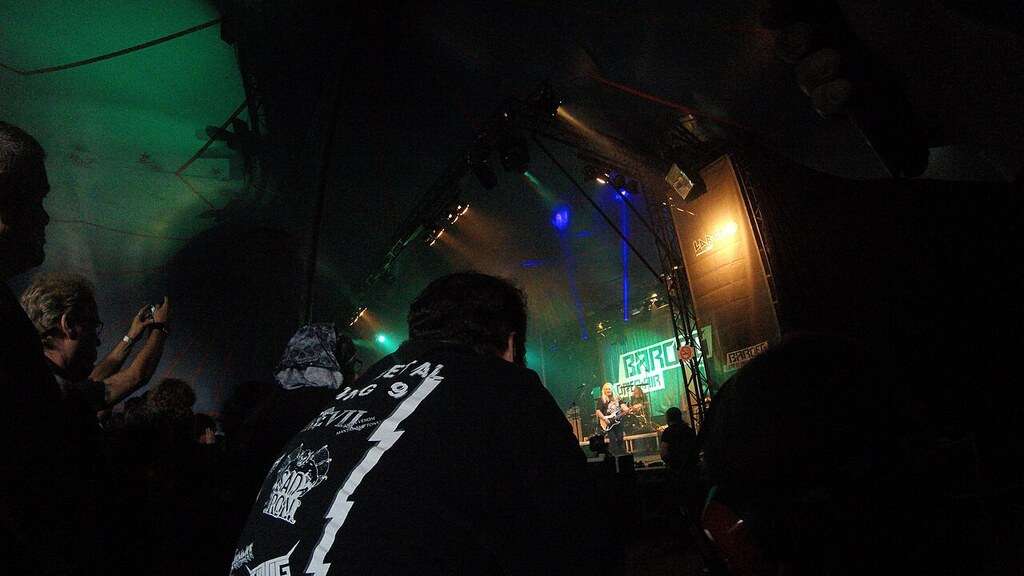
Publiek op Baroeg Open Air 2017

Baroeg Open Air keert op vrijdag 11 en zaterdag 12 september 2026 terug in het Rotterdamse Zuiderpark, en voor het eerst in de geschiedenis duurt het festival een heel weekend. De 16e editie propt ongeveer veertig acts op meerdere podia, met punk, metal, post-punk, gothic, breakcore en rave in één uitgestrekte viering van harde en alternatieve muziek, georganiseerd door het legendarische Rotterdamse poppodium Baroeg.

The SLZB-MR4U: Why a Multi-Radio Zigbee and Thread Stick Is a Smart Home Upgrade

ETRX357 ZigBee module with a size reference

If your home automation journey started like most, it began with a cheap USB Zigbee stick plugged into the back of your Home Assistant server. It works — until it doesn't. Radios wedged next to USB 3.0 ports, SSDs and Wi-Fi antennas share a cramped corner of the house, and the mesh has to reach every room from wherever the server happens to live. SMLIGHT's SLZB-MR4U takes a different approach: a multi-radio coordinator that treats Ethernet, not USB, as the primary interface — and throws in a second radio for Thread and Matter while it's at it.

IBM and the University of Chicago Show Quantum Advantage — With Proof

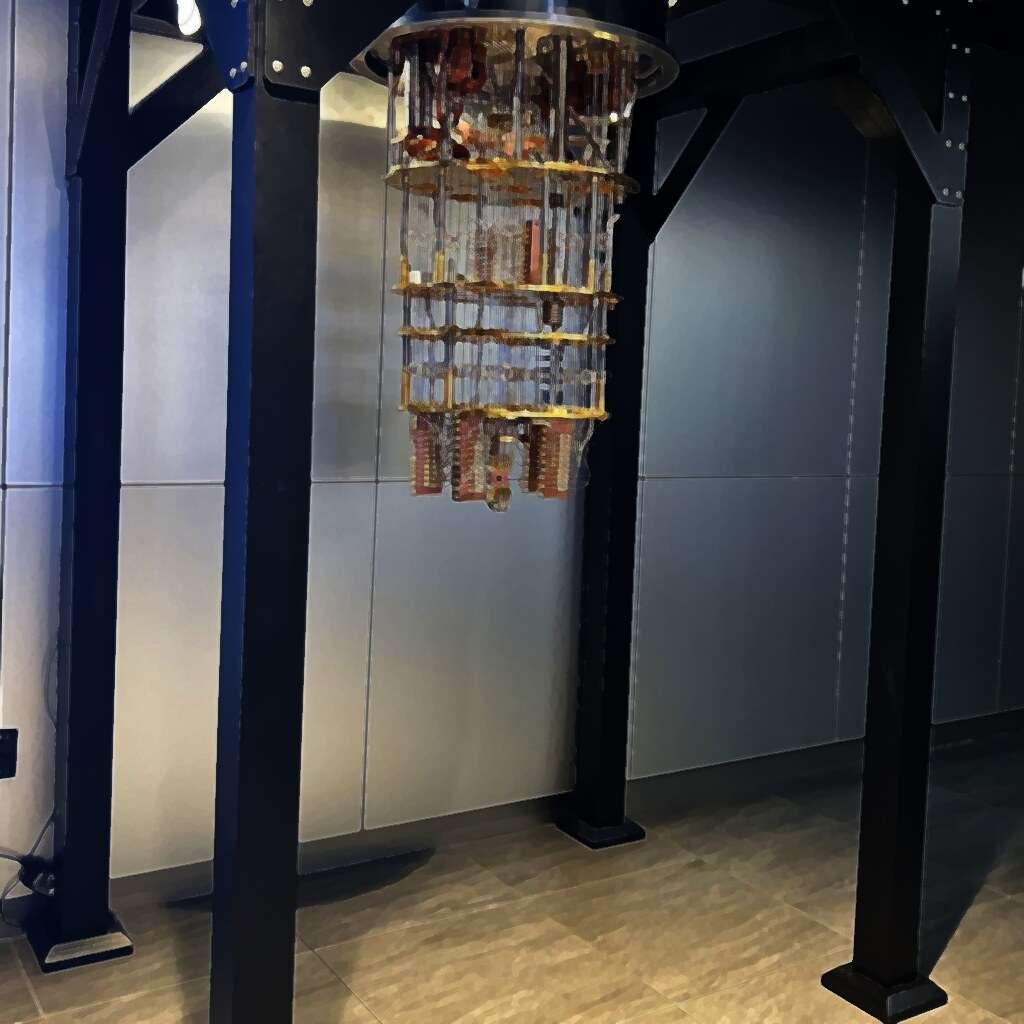
Quantum computing hardware at IBM Research

On July 30, 2026, IBM and researchers from the University of Chicago announced a quantum computation that meets the fundamental criteria for quantum advantage: a task beyond the practical reach of the best known classical methods, completed in about fifteen minutes. Just as important, the team found a way to verify how reliable the result actually was — addressing the long-standing problem that has made quantum advantage claims so hard to trust.

It's Happening: Europe Is Building an Impossible Fusion Reactor

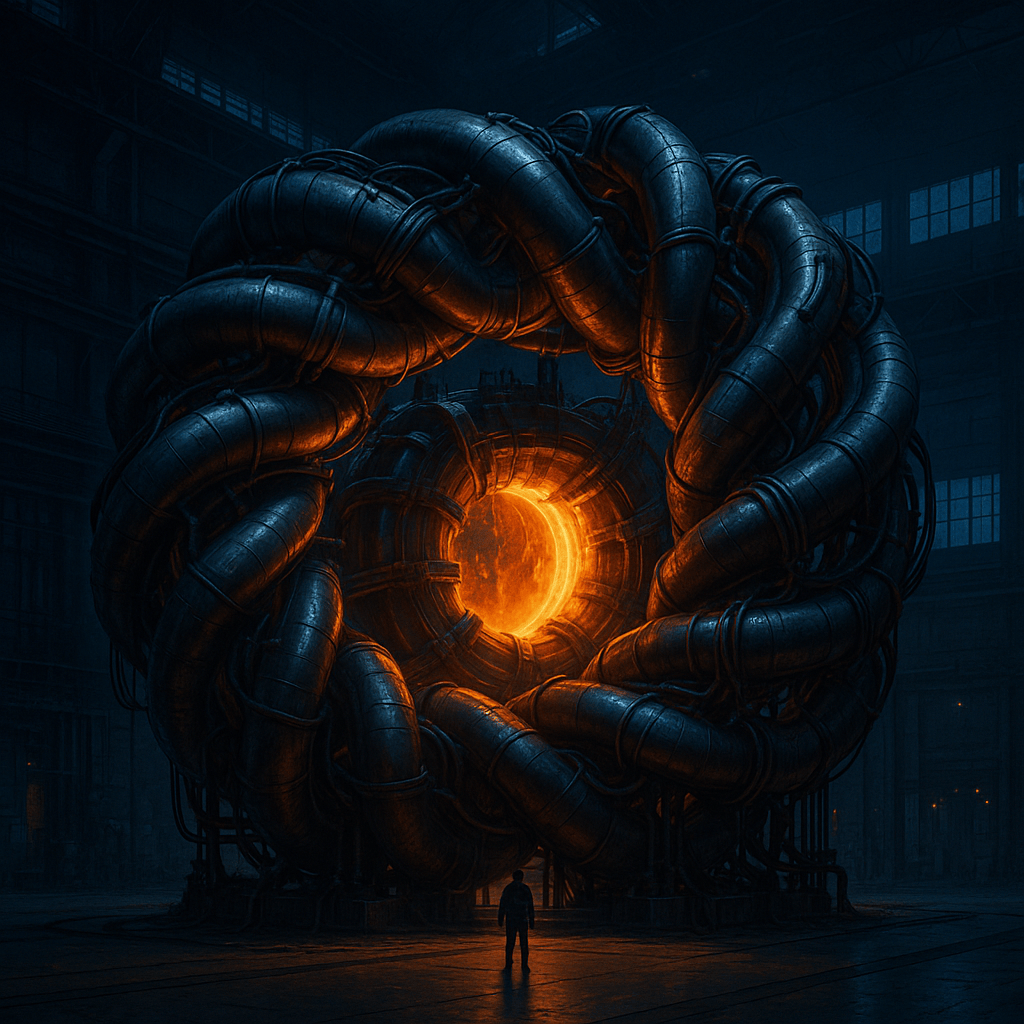
Illustration: a person standing before a huge machine of coiled pipes around a glowing orange core

Proxima Fusion has €411 million to build the shape the fusion world walked away from. The Munich startup, spun out of the Max Planck Institute, counts Google and energy giant RWE among its backers. Its reactor is a stellarator: a twisted "donut" so absurdly complicated it was long believed impossible to build.

For fifty years the tokamak has dominated fusion research. The classic donut-shaped reactor is the design that gets the money. Proxima is betting everything on the other one, and on a plan to build the first stellarator power plant in history. The money is already committed. The cage is not built, and that gap decides whether fusion ever reaches a grid. Everyone who pays an electricity bill is downstream of that question.

Huis Bergh: heropening van het grootste waterkasteel van Nederland

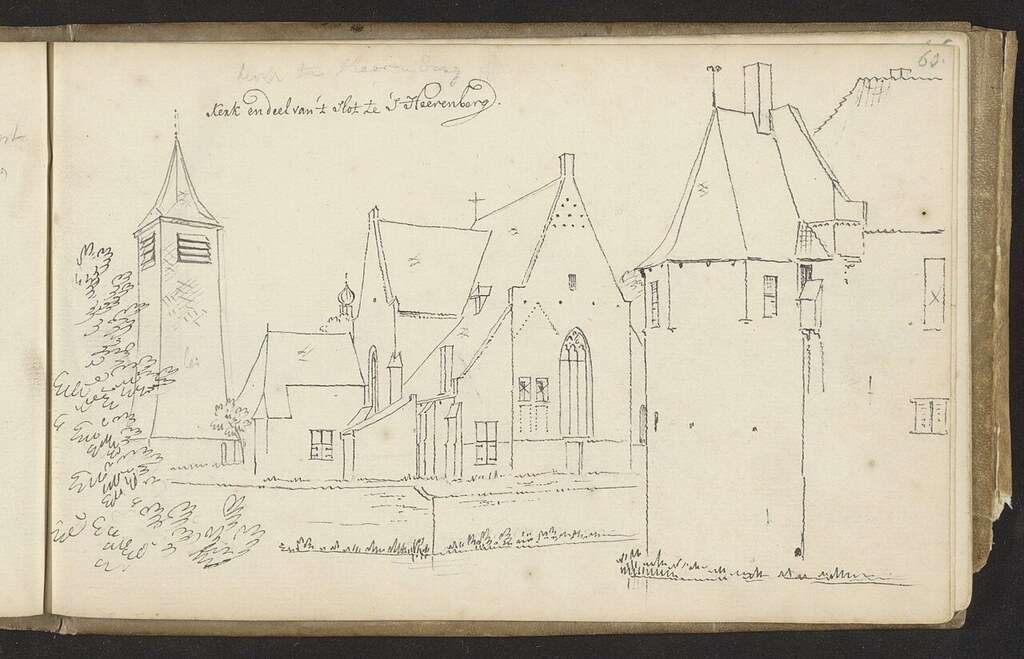
Historisch gezicht op Kasteel Huis Bergh en de kerk van 's-Heerenberg

Op donderdag 17 september 2026 heropent koning Willem-Alexander Kasteel Huis Bergh in 's-Heerenberg, na een restauratie van bijna drie jaar. Ter gelegenheid daarvan slaat hij met een historische slingerpers een herdenkingsmunt. Twee dagen later, op 19 september, gaat het kasteel volledig open voor het publiek. Voor het grootste waterkasteel van Nederland, met bijna 900 jaar geschiedenis, begint daarmee een nieuw hoofdstuk.